
Use these answers to prepare the product scope, artwork, quantity, packaging and destination before requesting a quote. Price, MOQ, sample timing, production timing, testing and delivery are confirmed for the actual project.
For a project-specific answer, send the current facts and name the decision that remains open. We will tell you whether it needs a buyer file, a development proposal, a physical sample, a supplier quotation or a logistics review.
Direct answers about custom merchandise projects
What does AIYYANG do?
AIYYANG helps brands, IP owners, game companies, sports clubs, retailers and event teams turn creative ideas into physical merchandise. Our work covers idea and artwork review, product-format planning, prototype development, specialist supplier coordination, approval records, quality-control coordination, packaging and delivery handoffs.
AIYYANG coordinates product development with specialist suppliers selected for the product. Supplier availability, capacity, commercial terms and QC references are confirmed for each project.
What should I send for a first project review?
Send the best current artwork or reference, the product idea, intended use, number of designs, quantity range per design, target finished size, packaging direction, destination and deadline priority. Label what is approved and what is still open. These inputs match the main fields in our inquiry form.
If a field is unknown, mark it as “to confirm” and state the decision you need help with. The RFQ checklist shows how to prepare a comparable supplier brief.
Do I need finished artwork before contacting AIYYANG?
No. A sketch, character sheet, current design file or clear campaign brief can be enough for an initial review. We first identify whether the missing information belongs to the buyer, can be presented as a development proposal or must be tested in a physical sample.
The current version still needs a name and status. Approved character features must be separated from product interpretations such as depth, pose, attachment, cutline, crop and packing layout. Our artwork review process explains that handoff in detail.
How do we choose between plush, acrylic and badges?
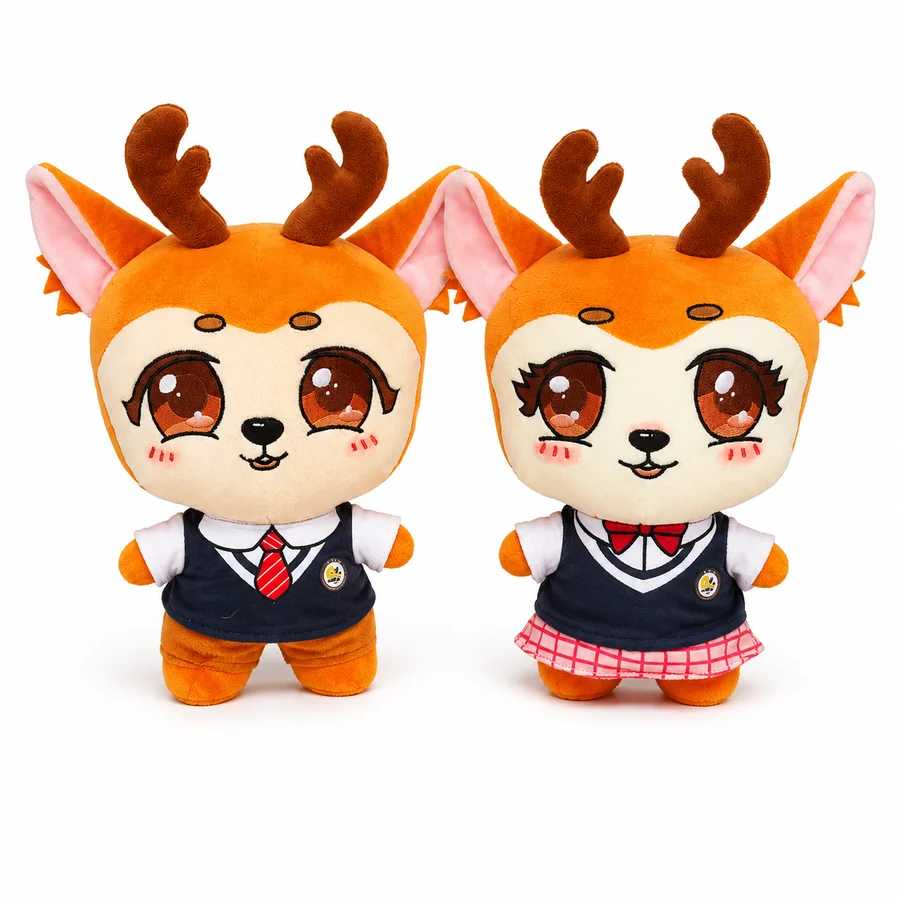
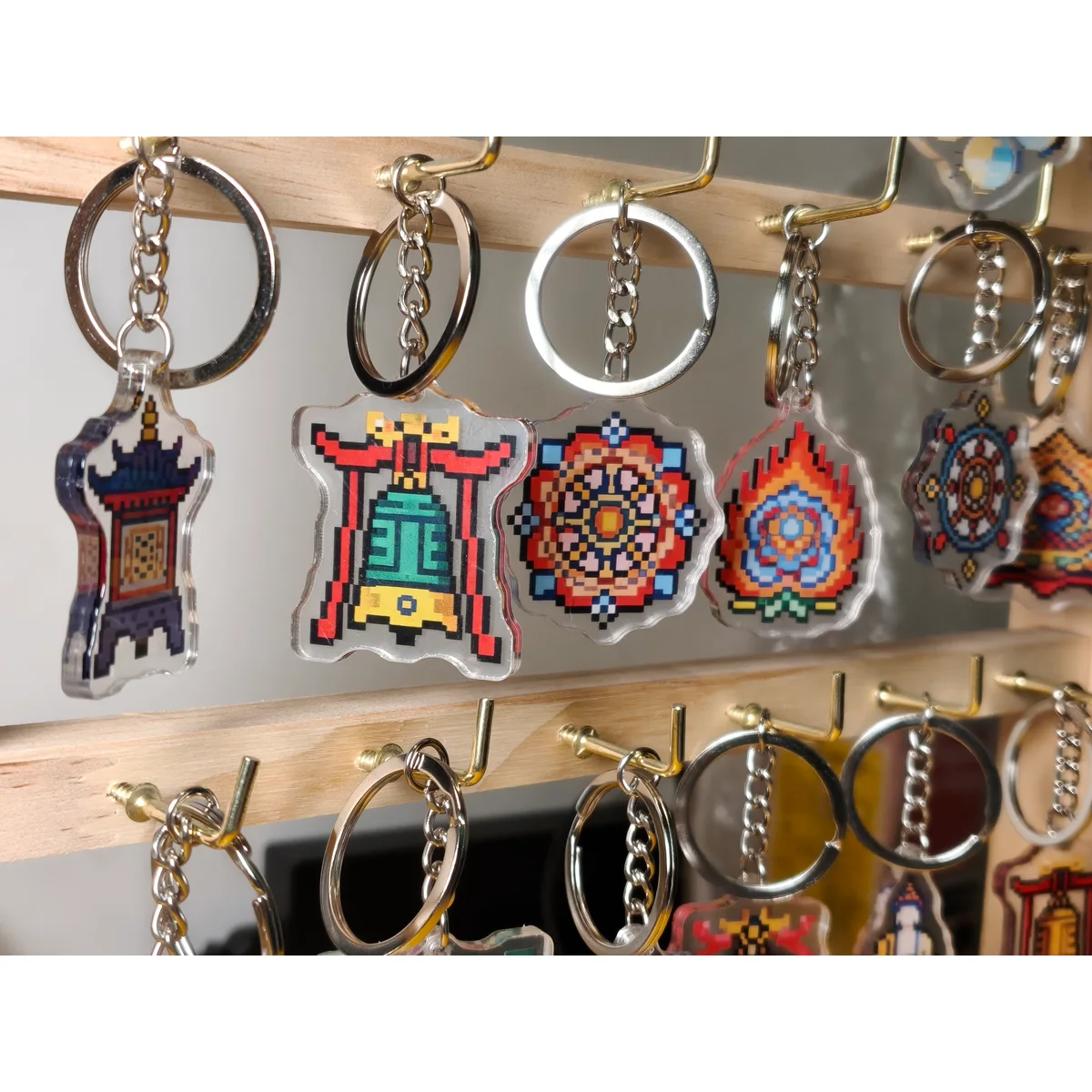
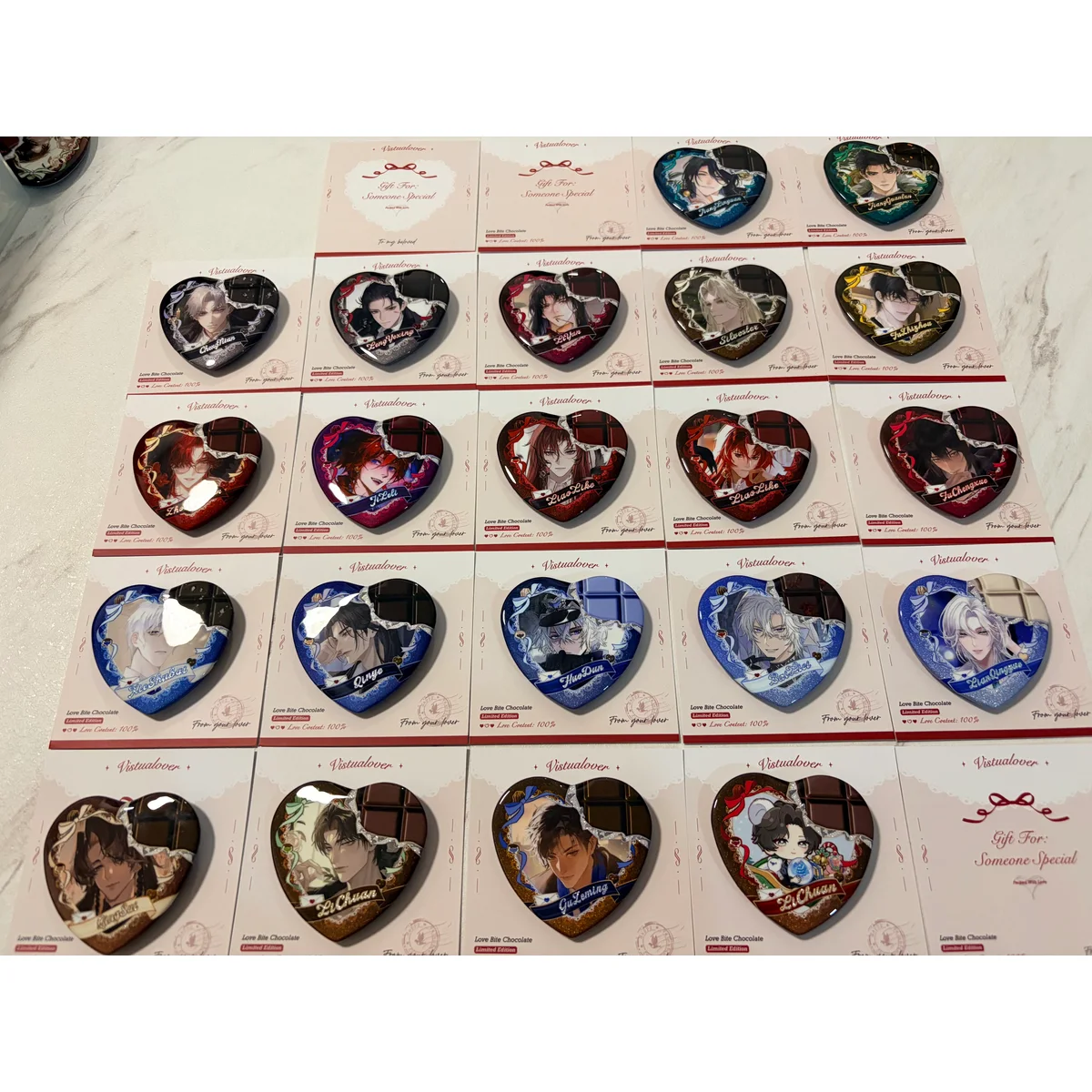
Start with use and interaction rather than a generic cost comparison. Plush provides a three-dimensional soft object and creates decisions about shape, pose, fabrics, embroidery and attachment. Acrylic preserves printed artwork in a flat format but adds cutline, print-layer, hole and hardware decisions. Printed badges add crop, edge, backing and display-card questions.
The character may guide all formats, but every product needs its own derivative brief and SKU label. One source file should not be treated as the complete production instruction for a mixed collection.
What determines MOQ?
MOQ is not one fixed number across custom merchandise. It can be affected by the product, number of designs, setup work, materials, components, custom colors, decoration method, packaging and current supplier purchasing conditions. Dividing one total quantity among many SKUs can change the production logic because each design retains its own setup and control work.
We confirm MOQ only after reviewing the current scope. If the project is intentionally small, our trial-order article explains why reducing complexity, SKU count or custom components may matter without promising a universal minimum.
What information is needed for a useful quotation?
A useful quotation needs a defined product, current artwork status, design or SKU count, quantity per SKU, target size, required materials or open material decisions, packaging, destination and required delivery context. The buyer should also identify whether the request is for development, sampling, bulk production or a combined scope.
Price comparisons are unreliable when suppliers are interpreting different products or missing fields differently. Keep unknown requirements visible, and ask every supplier to state exclusions and assumptions. Artwork approval alone does not confirm commercial terms.
Is a physical sample necessary?
A physical sample is necessary when the important question cannot be approved from files alone. Typical examples include three-dimensional shape, balance, hand feel, fabric behavior, color interaction, component fit, decoration placement, how an item hangs, base fit or packaging fit.
Some printed or simpler items may use an appropriate proof for certain visual questions, but the proof type depends on the actual process and risk. The decision is not “sample or no sample” in the abstract; it is whether the chosen evidence can answer the approval questions. See what we check in a sample for the full review logic.
What counts as sample approval?
Sample approval must identify the exact physical sample, dated image set, specification or revision being approved. Feedback should state which features are accepted, which need correction and which remain open. A short “looks good” message is not enough when it could refer to one color or one photographed angle.
If the buyer approves with conditions, those conditions stay in the record. A later design change should state which SKU and which approved feature it affects. Commercial and schedule effects still require a current review.
How is bulk production compared with the approved sample?
The approved sample and controlled specification become comparison references for supplier coordination and bulk checks. The record should link the sample to the correct artwork version, materials, decoration, components, size, packaging and approved conditions. Production should not rely on memory or an unlabelled chat image.
Inspection checkpoints, sampling method, acceptable variation and defect handling are agreed for the actual product and order. AIYYANG coordinates the approved references and quality-control decisions with the selected specialist suppliers.
When should packaging be discussed?
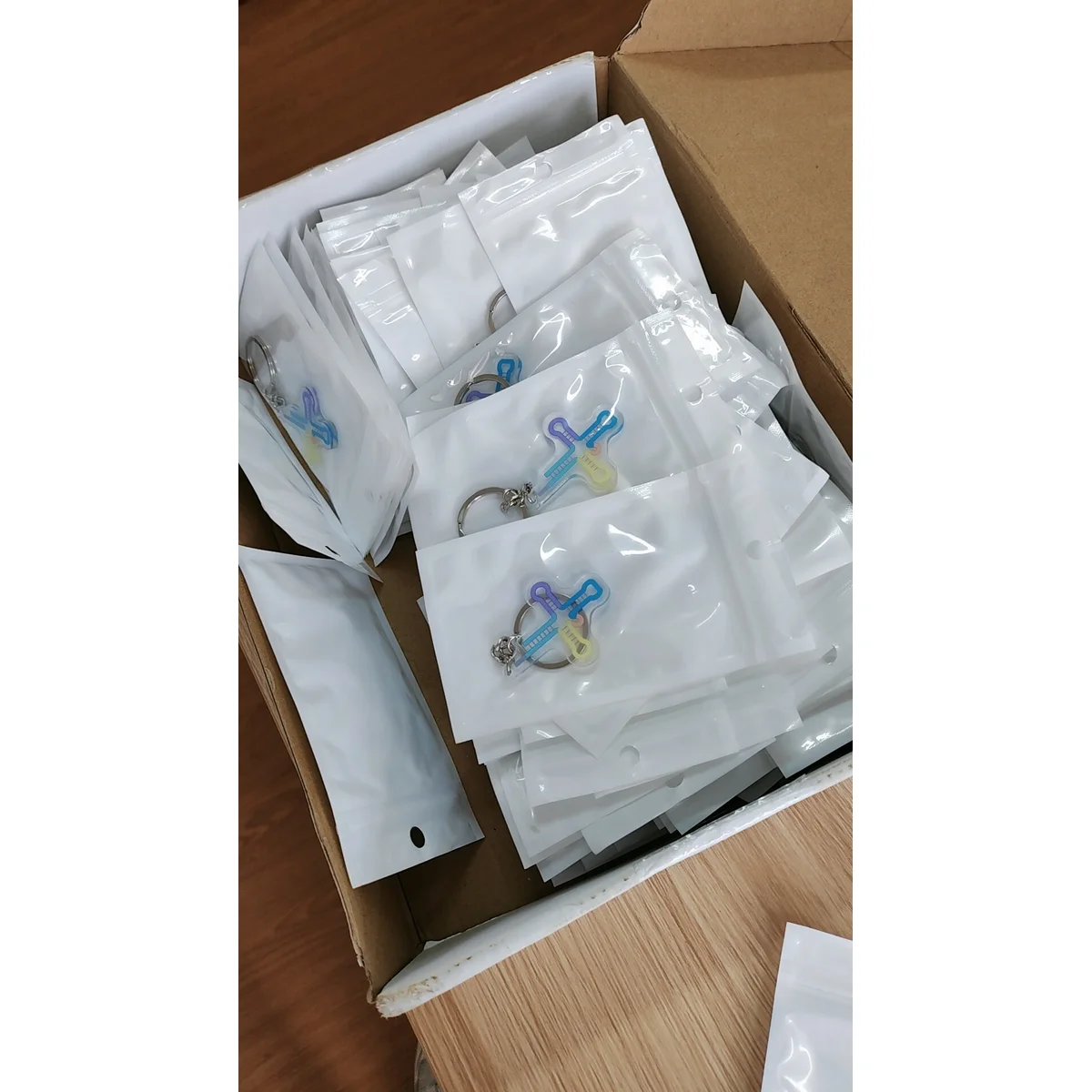
Discuss packaging before the final sample and quotation when it affects product fit, attachment, protective elements, labels, retail presentation, assembly or carton planning. A backing card may change hardware orientation. A box may require a confirmed product envelope. A label may need buyer-supplied wording or destination-specific review.
Packaging is not an afterthought added after production. The packed acrylic example on this page shows the handoff between item format and packing, but each project still needs its own count, protection, label and carton requirements.
Can delivery terms be confirmed before the order is defined?
No reliable delivery scope can be confirmed from artwork alone. Planning depends on the confirmed product, quantity, packing data, destination, receiving priority, handoff point and current logistics review. Freight terms, transit assumptions, taxes, customs responsibilities and local delivery conditions must be stated in a current quotation.
If the buyer has a launch or event date, provide the required receiving date and the consequence of missing it. The project can then be planned backward, with open sample, approval, production and packing decisions made visible instead of hidden inside one delivery promise.
Can AIYYANG confirm certifications or testing from this FAQ?
No. Test and certification requirements depend on the product, intended use, age positioning, materials, destination and buyer or importer responsibilities. A specific item must be supported by the documents and testing required for that order.
Send the intended market and use during the first review. If testing, labeling or documentation is required, it becomes a named project question with an owner, evidence source and approval stage.
What should I do when this FAQ cannot answer my exact case?
Send the current brief and name the unresolved decision. Include artwork, product idea, quantity per design, target size, packaging direction, destination and deadline priority. We will route the question to artwork review, product planning, sampling, supplier coordination, QC, packaging or delivery review.
AIYYANG supports custom plush toys, plush keychains, acrylic charms and standees, badges, character merchandise and custom packaging. Use the project inquiry form, contact us on WhatsApp, or email aiyyang866@gmail.com. We will identify what is confirmed and what must be decided before quotation or sampling.
Send the confirmed facts and the decision still open
We will route the question to artwork, product, sample, supplier, QC, packaging or delivery review.
Send your current project brief
Get direct answers about custom merchandise artwork, product choice, MOQ, quotes, samples, approvals, QC, packaging and delivery planning.