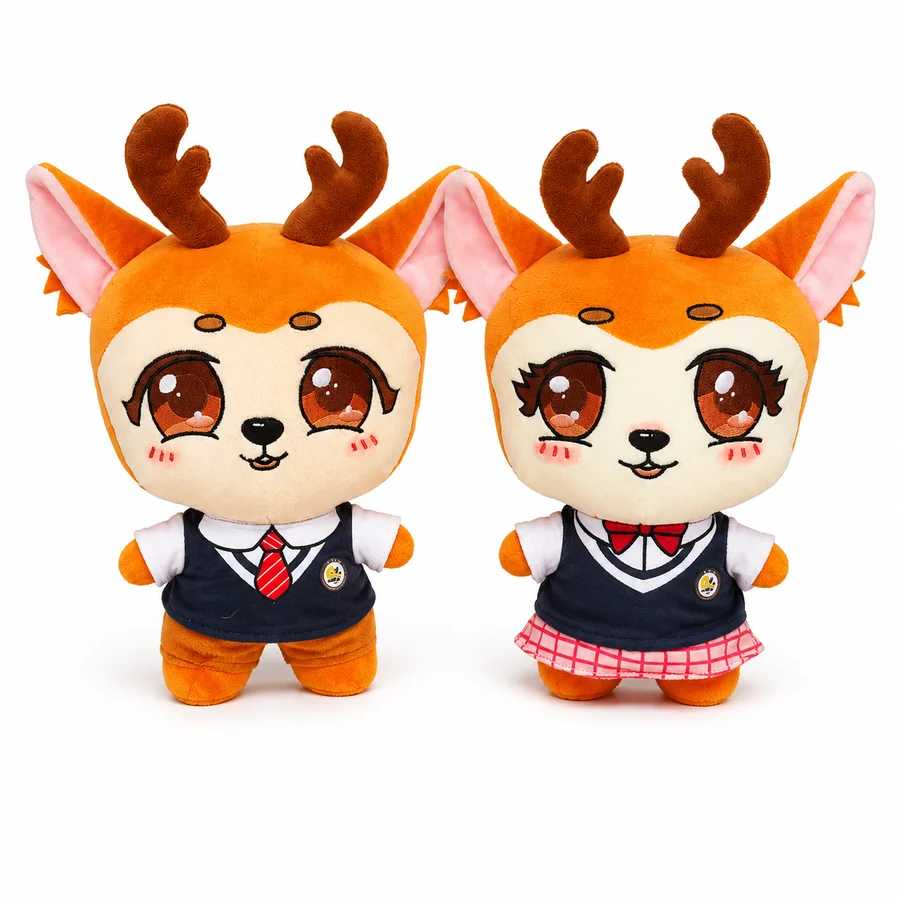
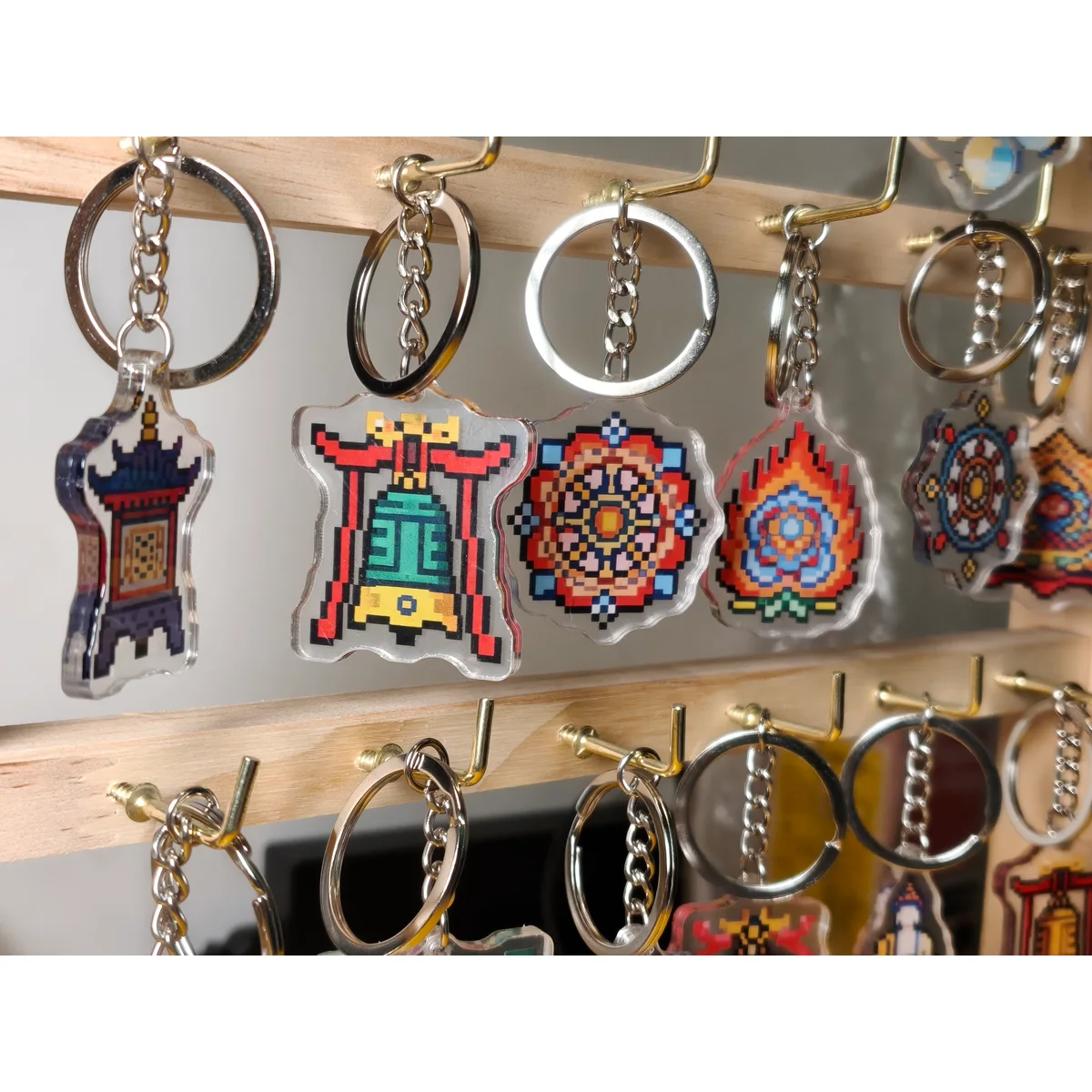
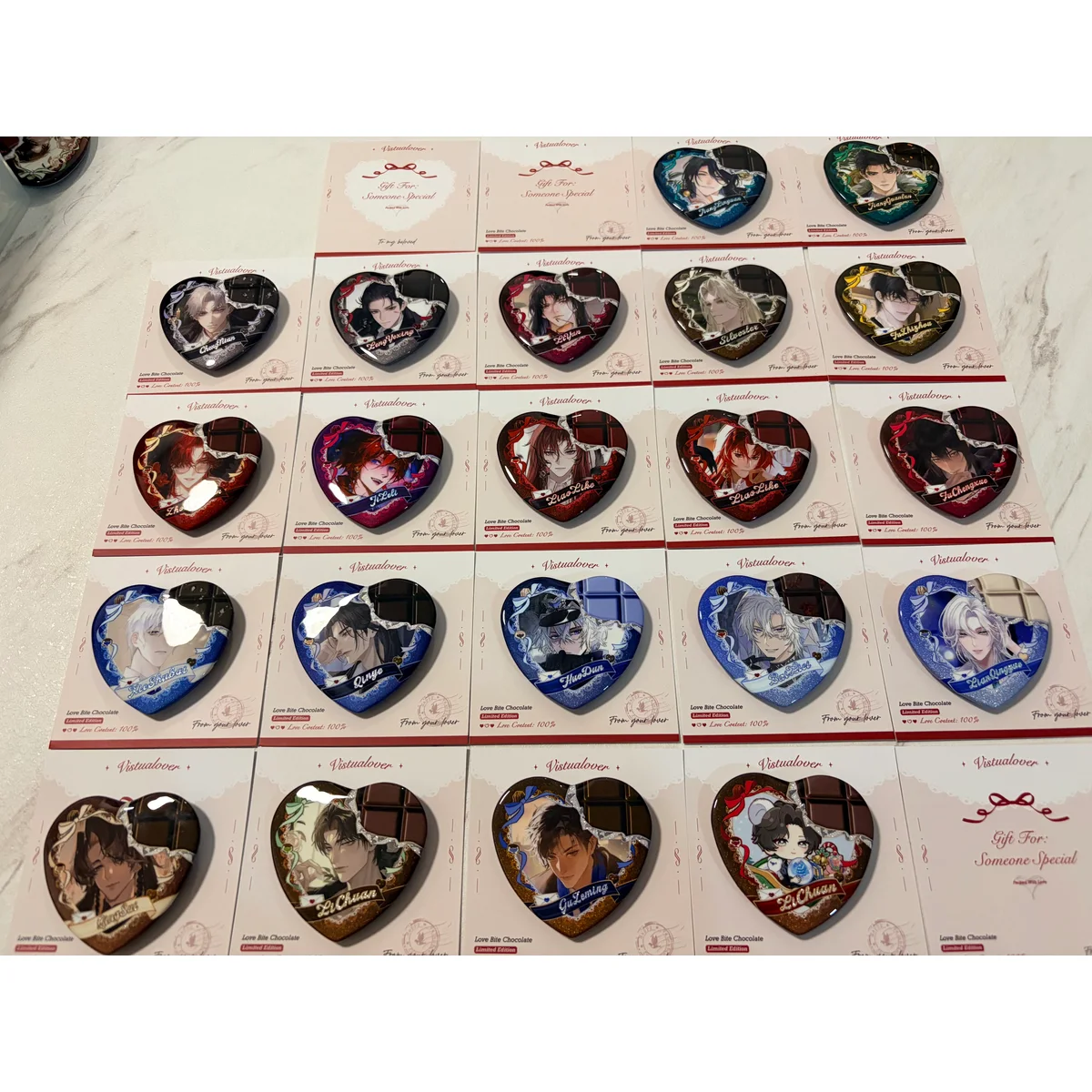
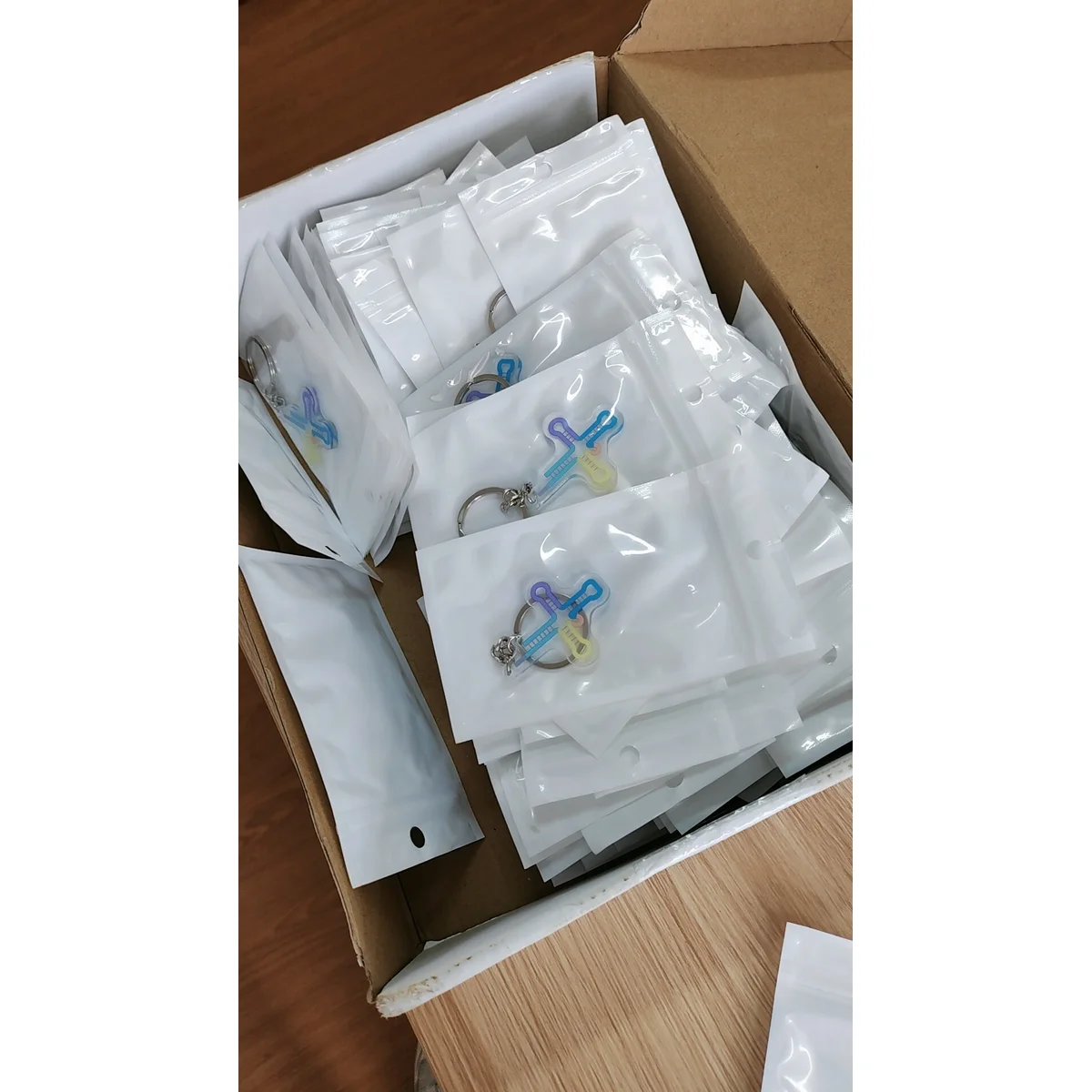
Many first inquiries start with a short message: "How much for this plush?" or "Can you make this keychain?" That is a normal starting point, but it is rarely enough for a responsible quote. A supplier can guess a number, but the buyer cannot use that number to plan budget, compare vendors or protect the launch schedule.
In custom merchandise, small missing details change cost quickly. A 12 cm plush toy and an 18 cm plush toy may use different pattern logic. One enamel pin design may need simple soft enamel, while another needs plating, glitter, screen printing and backing cards. An acrylic charm can be quoted very differently depending on thickness, printing side, epoxy, clasp, protective film and individual packing. Packaging and shipping may also change the real landed cost more than the product body.
The goal of this RFQ checklist is practical: help a buyer send a brief that allows a supplier to quote the right scope, identify risks early and explain which assumptions still need confirmation.
1. Start with the product type and use case
Tell the supplier what the product will be used for. A plush toy for retail sale, a plush keychain for a game event, an acrylic charm for a fan campaign and an enamel pin for staff uniforms do not have the same requirements.
Useful details include the product category, target buyer, sales channel, age group if relevant, event date and destination market. If the item is for retail, packaging and barcode planning matter earlier. If it is for a giveaway, unit cost and delivery timing may be more important. If it is for a licensed IP product, artwork accuracy and approval records become critical.
2. Prepare artwork that shows more than one pretty view
For custom plush toys and plush keychains, a front image is helpful but incomplete. The pattern team may need side and back views, pose notes, color references, facial expression details and a target size. If the character has a tail, hat, bag, cape, weapon or removable part, mark it clearly.
For acrylic charms and standees, send clean artwork with cutline expectations, hole position, base shape, print side and size. For enamel pins, send the design at the intended shape, then mark plating color, enamel colors, line areas, raised metal areas and any special effects.
If you do not have production files yet, say that directly. A supplier can still review feasibility, but the quote should state whether artwork cleanup, multi-angle drawing, sample adjustment or file preparation is included.
3. Give quantity by design, not only total quantity
MOQ is often misunderstood because buyers mention only a total quantity. "1,000 pieces" may mean one design with one stable production setup. It may also mean 10 designs with 100 pieces each, which creates more setup, artwork checking, packing separation and QC work.
List the quantity per design, expected color versions and any size variations. If you are testing the market, explain that it is a trial order and ask what low MOQ options are realistic. For bulk programs, state whether the order may repeat. Repeat orders may justify more careful tooling, packaging preparation or material planning from the beginning.
4. Define the target size and acceptable tolerance
Size affects material usage, tooling, shipping volume and perceived value. For plush, finished height, sitting height, head width and keychain scale may all matter. For acrylic products, specify the longest side, thickness and base size. For enamel pins, note width, height and metal thickness if you have a requirement.
Soft products cannot be controlled like metal parts. Plush filling, fabric pile and hand sewing create natural variation. The RFQ should ask how the supplier records sample dimensions and what tolerance is practical for bulk inspection.
5. Separate must-have materials from flexible options
Many buyers know the final look they want but not the material name. That is fine. Send reference photos and describe the feeling: short pile, fluffy, smooth, matte, transparent, metallic, soft, firm, lightweight or premium retail finish.
At the same time, mark what is fixed and what can be adjusted. Pantone color matching may be important for a brand mascot. A similar stock fabric may be acceptable for a cost-sensitive event item. Acrylic thickness may be fixed for a display standee but flexible for a charm. A supplier can quote more honestly when the buyer explains where there is room to choose.
6. Include labels, backing cards and packaging early
Packaging is not a small final step. It affects printing cost, assembly time, carton size, freight cost and retail readiness. For plush toys, note care label, woven label, hang tag, OPP bag, display box or vacuum packing expectations. For acrylic charms, note individual bags, backing cards, clasp bags and protective film. For enamel pins, note rubber clutch or butterfly clutch, backing card, barcode label and retail bag.
If your market needs warning text, age grading, importer information, SKU labels or barcodes, prepare those requirements before bulk production. AIYYANG can coordinate layout and supplier execution, but the responsible seller or importer should confirm market-specific compliance text.
7. State the destination country and delivery deadline
Two suppliers may quote the same unit price but completely different delivery assumptions. One may quote EXW product cost only. Another may include domestic freight, export cartons and DDP delivery. Ask each supplier to state the trade term clearly: EXW, FOB, DDP or another agreed method.
For plush and other bulky merchandise, freight is often driven by volumetric weight. Individual packaging and carton planning can change the shipping quote. If there is a launch date, convention, sports match, retail drop or holiday deadline, give the required arrival date, not only the desired shipping date.
8. Ask what is included in the sample fee
A sample quote should explain what the fee covers: pattern making, embroidery setup, material sourcing, acrylic proofing, enamel color proofing, packaging mockup, one revision or multiple revision rounds. Buyers should also ask whether the sample fee is refundable against a bulk order and which parts are not refundable.
For custom plush, the first sample often reveals structure issues that were not visible in the artwork. For acrylic and enamel, proofing may expose cutline, print, plating or color issues. A low sample fee can be attractive, but unclear revision rules can slow the project later.
9. Confirm the QC evidence you expect before shipment
Do not wait until the order is finished to discuss inspection. Ask how the supplier checks appearance, size, color, labels, hardware, packaging, SKU separation, carton quantity and carton marks. For mixed merchandise programs, confirm that each SKU, tag and packing instruction can be traced.
Photos are useful, but selected photos are not the same as an inspection plan. Depending on order size and risk, you may need random inspection, full inspection for critical items or third-party inspection before shipment. The RFQ should leave room for this cost if the project requires it.
10. Make supplier quotes comparable
When quotes arrive, compare the same scope. Check whether each quote includes sample fee, artwork support, unit product cost, accessories, label printing, packaging, carton packing, inspection, domestic freight, export documents and international shipping. If one quote looks much cheaper, first ask what is missing.
A clear RFQ does not force every supplier to give the same price. It forces every supplier to explain the same project. That is what helps a buyer decide whether a lower price is a real saving or simply a smaller scope.
Quick RFQ checklist
| Information | What to prepare |
|---|---|
| Product type | Plush toy, plush keychain, acrylic charm, acrylic standee, enamel pin, packaging or mixed merchandise set. |
| Artwork | Front, side, back or production artwork; note unfinished areas honestly. |
| Quantity | Quantity per design, color version and size variation. |
| Size | Finished size, thickness, height or longest side, plus practical tolerance if known. |
| Materials | Required materials, flexible options, Pantone references and finish expectations. |
| Packaging | Label, hang tag, backing card, individual bag, retail box, barcode and carton requirements. |
| Delivery | Destination country, delivery deadline and preferred trade term. |
| QC | Inspection expectations, photo evidence, third-party inspection needs and defect priorities. |
Common mistakes buyers can avoid
- Requesting a quote from only a front-view image and expecting production accuracy.
- Comparing one supplier's bare product cost with another supplier's packed DDP cost.
- Listing total quantity without explaining SKU split.
- Leaving label, barcode and packaging decisions until bulk goods are finished.
- Approving a sample without recording material, hardware, label and packaging details.
- Assuming shipping cost can be finalized before carton size and packing method are known.
How AIYYANG handles an incomplete RFQ
Many buyers do not have every detail ready. That should not stop a project from starting. Our team can review the artwork and brief, then list the missing decisions before quotation or sampling. For example, we may ask for the target size, quantity per design, preferred fabric direction, keychain hardware, acrylic thickness, pin plating color, packaging method, destination country or deadline.
We do not invent customer results, certifications or production claims to make a project look easier than it is. The useful work is to make the open questions visible, explain the cost impact and help the buyer choose a route that can be sampled, produced, inspected and shipped.
Related AIYYANG pages
Share your artwork, target size, quantity per design, packaging needs, destination country and required arrival date. We will review what is ready, identify missing decisions and suggest the next step for quotation or sampling.
Get Quote