
When several questions are open, start with the decision that blocks the next step. Decide whether the current issue concerns product format, artwork, a physical sample, quotation scope or quality control, then prepare the information needed for that review.
Use the decision order
We normally work from the decision with the largest downstream effect. A later answer is unreliable when an earlier product decision is still open.
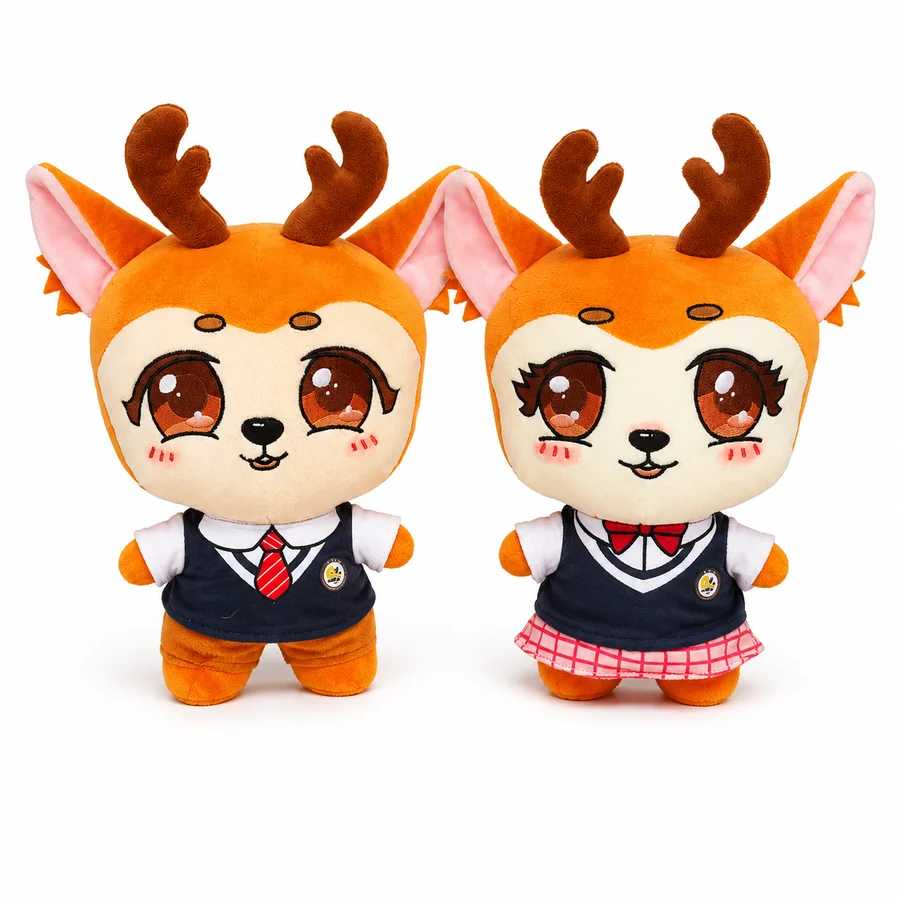
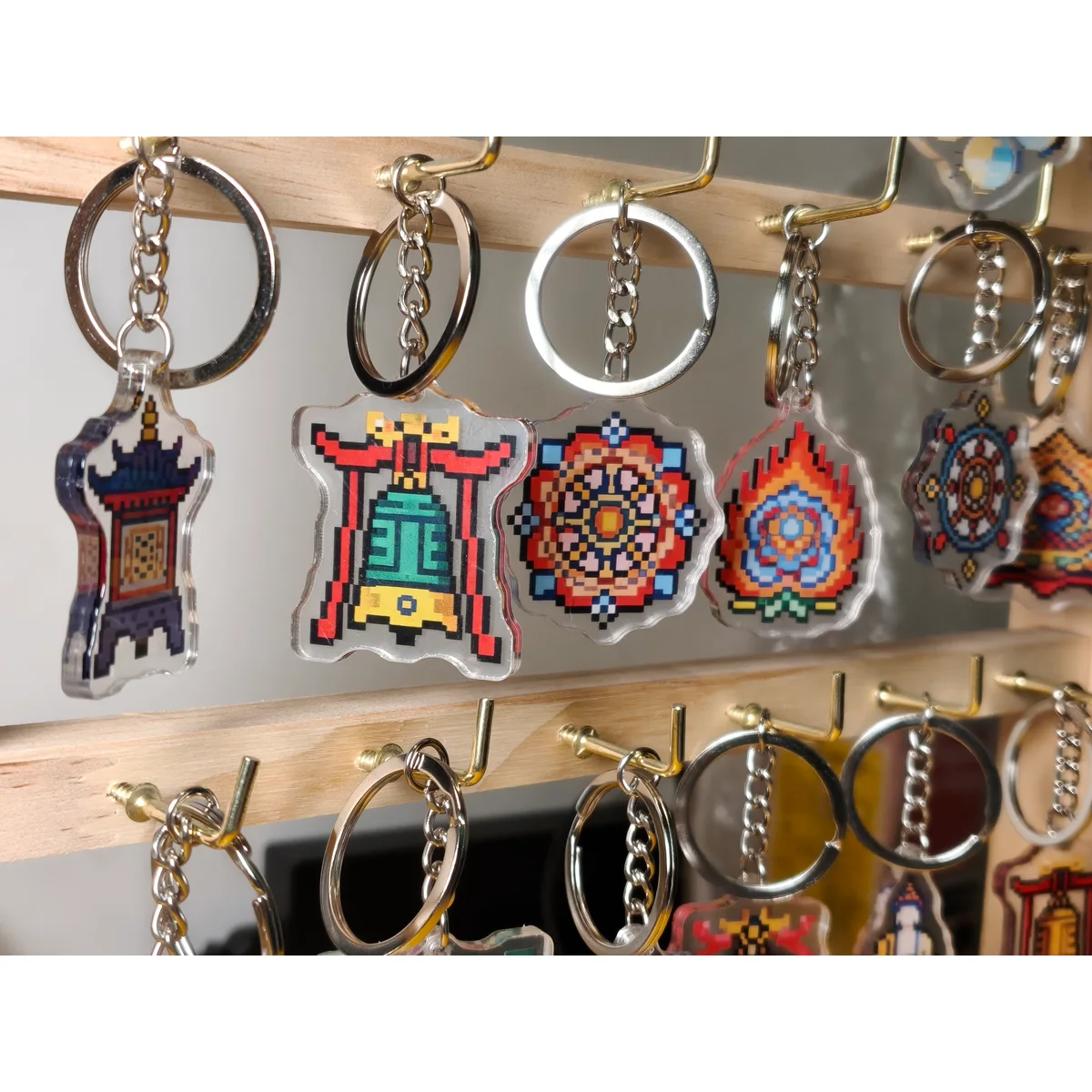
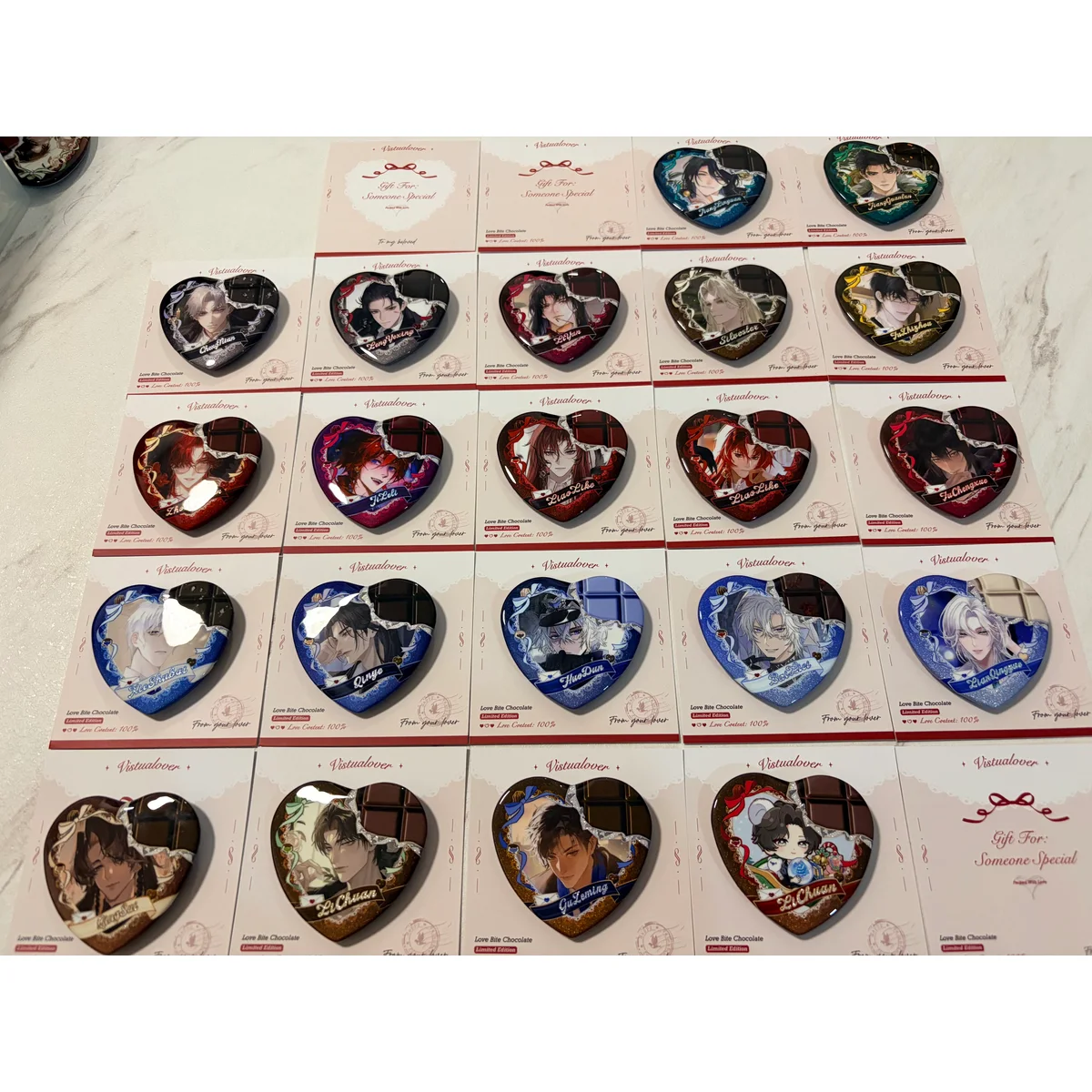
- Product and use: Decide whether the character should become plush, a plush keychain, acrylic, a pin, printed goods or a mixed collection. Record where it will be sold, displayed or used.
- Artwork status: Identify the current file, locked character features, missing views and details that may need a manufacturable proposal.
- Physical proof: State what a prototype must prove, such as plush shape, fabric behavior, acrylic base fit, hardware direction or packaging fit.
- Commercial scope: Define quantity per SKU, size, accessories, packaging, inspection boundary and the delivery terms that need quotation.
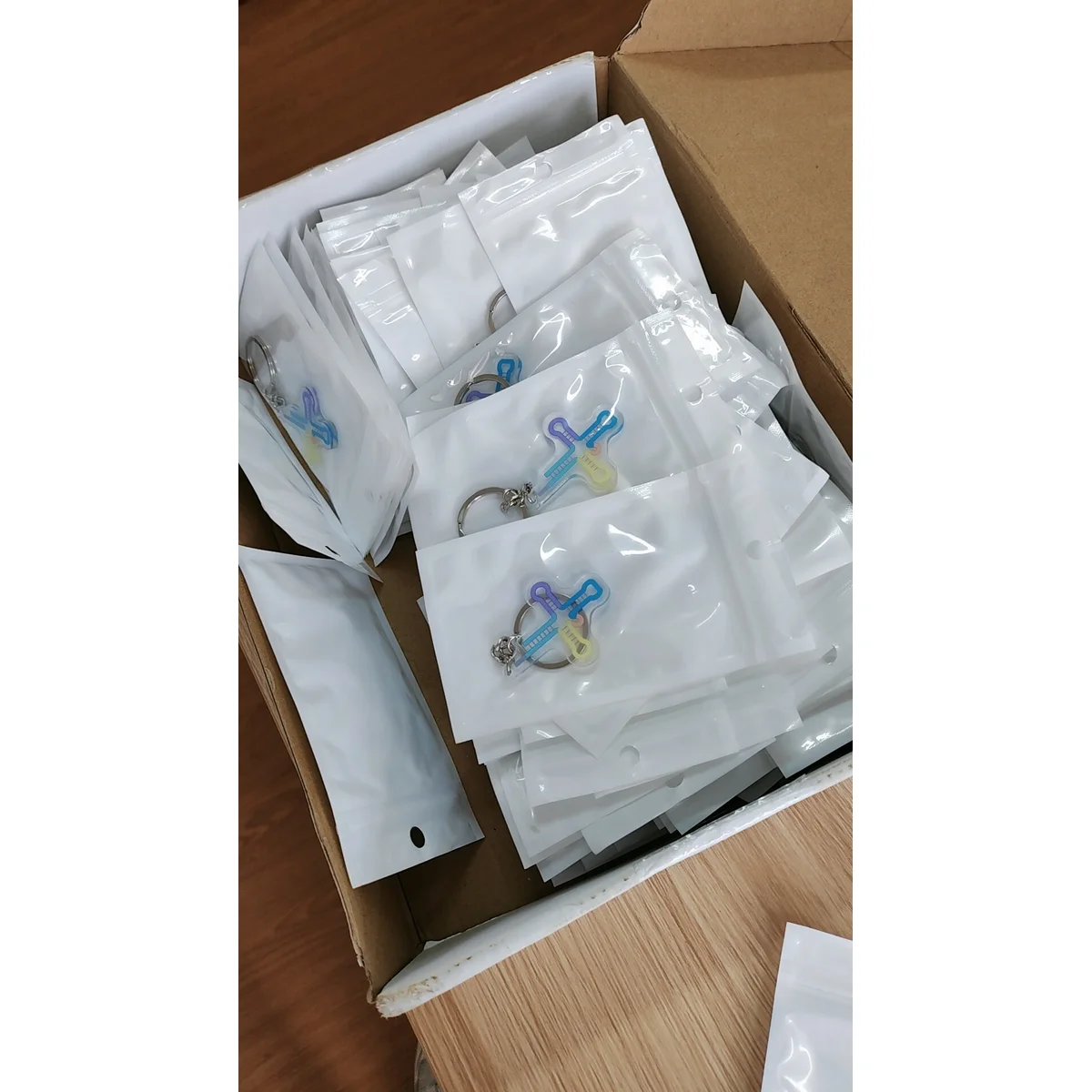
- Release and delivery: Connect the approved product, packing data, receiving date and current logistics responsibility.
If product format is still open, a firm unit price is premature. If the format is fixed but shape or fit is uncertain, the next useful answer may come from a sample. If the product and approval reference are already clear, the blocker may be an incomplete RFQ or delivery scope.
Start with the decision blocking the next step
- Use the product hub to compare merchandise formats and choose the physical route.
- Use what happens after artwork arrives to prepare a controlled pre-sample brief.
- Use the plush sample guide when a physical prototype must answer shape, material or construction questions.
- Use the RFQ checklist when suppliers need one comparable commercial scope.
- Use Supply Chain & QC when the approved reference, supplier responsibility or inspection handoff is unclear.
- Use the FAQ for short answers about artwork, MOQ, quotations, samples, packaging and delivery.
Review each product format against its own production risks. Acrylic standee balance, plush embroidery scale and pin backing require different checks even when they start from the same character artwork.
Avoid solving later questions too early
Common examples include comparing prices before SKU quantities are separated, starting a sample before missing views are recorded, approving a product photo without naming the sample version, or choosing a retail box before the real product dimensions are stable.
Keep one short decision list. For each open item, record the owner, the evidence needed and the next approval point. Unknown information can remain open. It should not be replaced with a convenient assumption simply to make a brief look complete.
Prepare the next handoff
Send the best current artwork, intended product or use, number of designs, quantity range per design, target size, packaging direction, destination and required receiving date. Label each item as confirmed, preferred or open.
AIYYANG will identify the earliest blocker and route it to product planning, artwork review, sampling, supplier coordination, packaging or delivery review. We do not use this hub to promise a universal price, MOQ, production time, test result or logistics figure.
If the product scope is clear, download the RFQ checklist or send the current brief below.
Which decision should be resolved first?
When should I use this buyer decision map?
Resolve the earliest blocker first. Once it is clear, update the brief and move to the relevant product, artwork, sample, quotation or quality-control review.
Send what is confirmed and what still blocks the project
We will separate format, artwork, sample, commercial and delivery questions, then identify the earliest useful review.
Send the current project brief
Use AIYYANG's buyer decision map to identify whether product format, artwork, sampling, quotation, QC, packaging or delivery needs attention first.