
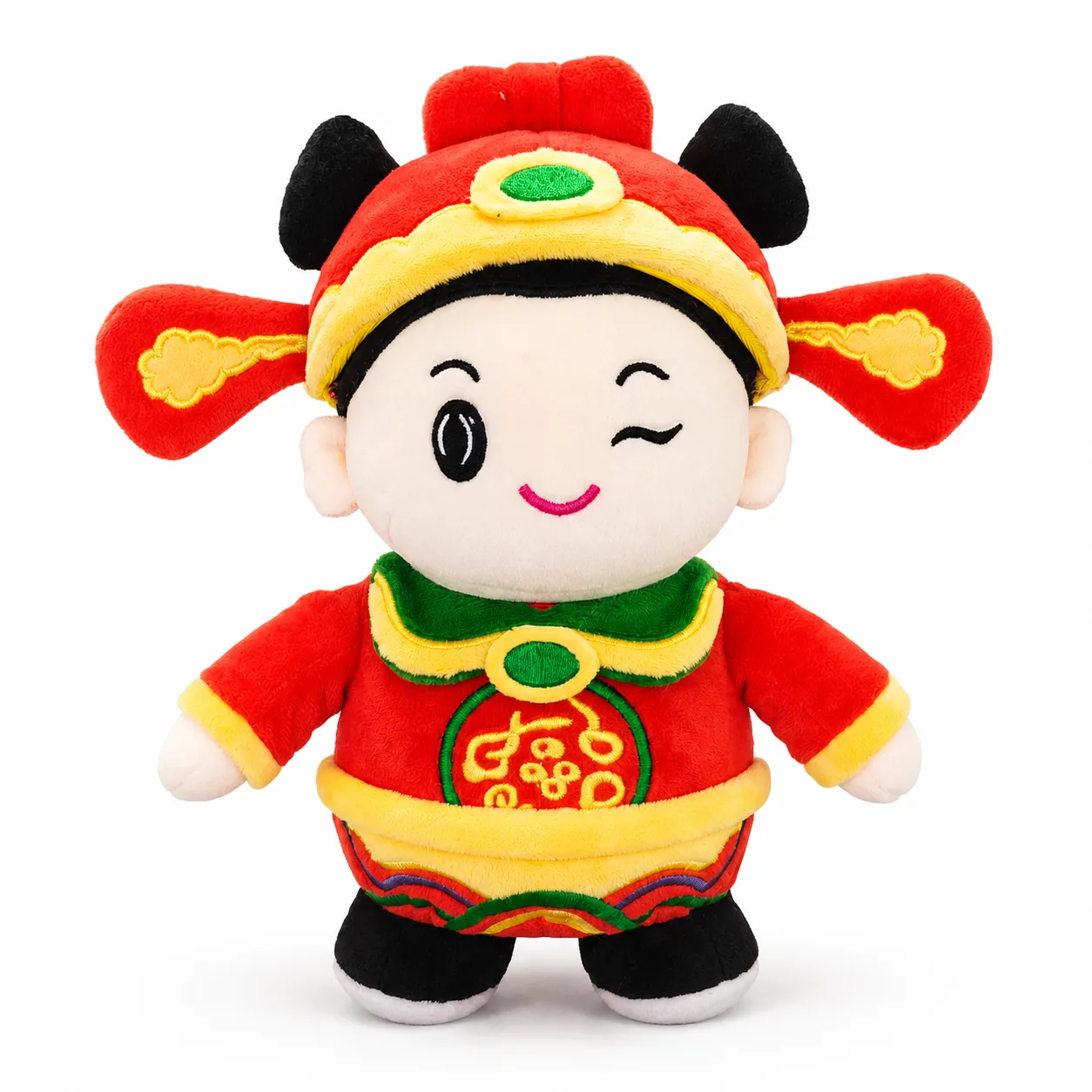
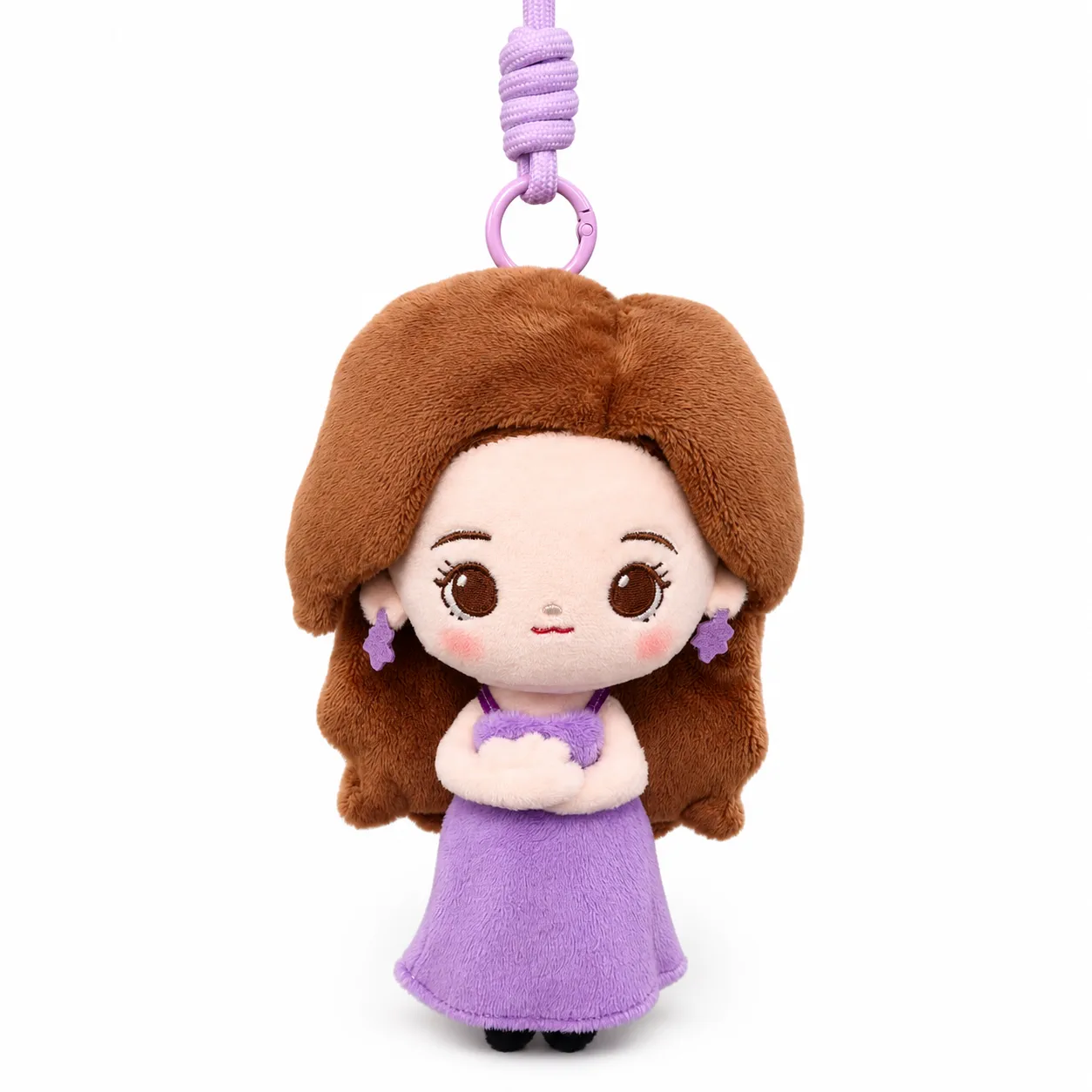
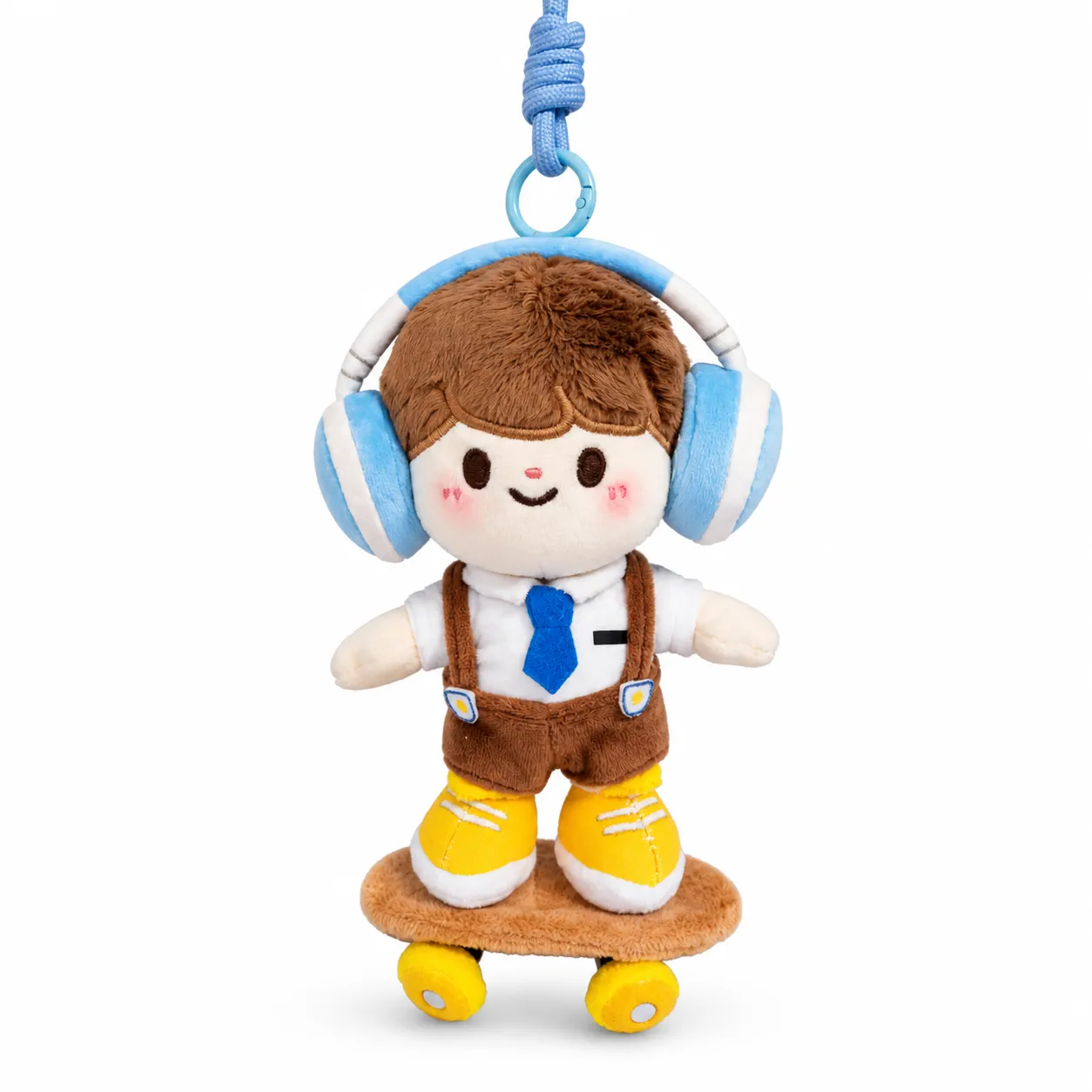
For brands, game companies, sports clubs, IP owners, retail teams and event organizers, paying for a sample can feel like an extra cost before the real order begins. In practice, the sample is where the product specification becomes visible. It lets the buyer, our development team and the production partner discuss the same physical object instead of interpreting the same drawing in different ways.
Why artwork alone cannot approve a plush product
Artwork explains identity. A production sample explains construction. Both matter, but they answer different questions.
A character sheet may show the correct expression, color blocks and costume. It may not show the depth of the muzzle, the firmness of the filling, the direction of the fabric pile, the seam needed behind a curved ear, or the tolerance around an embroidered eye. Even a detailed three-view drawing cannot reproduce the way fabric stretches after sewing and filling.
Before sampling, we review the artwork for decisions that affect recognition and repeatability. We look at the overall silhouette, head-to-body ratio, facial landmarks, appendages, clothing, removable parts, logo treatment, intended size and packaging. When information is missing, we would rather identify the gap than make an unsupported assumption and allow it to become part of the sample.
The first sample is therefore not a promise that every detail is already correct. It is a controlled way to expose the parts that need a decision.
A recurring sample situation: the face looks right in the drawing but wrong in fabric
One recurring situation in character projects begins with artwork that has a wide face, low-set eyes and a small embroidered mouth. The digital design reads clearly. On the first physical sample, however, the face may appear narrower after the front and back panels are sewn together. The fabric pile can soften the edge of the eyes, and filling can push the muzzle forward. Nothing is necessarily defective; the flat artwork and the three-dimensional material are simply behaving differently.
Our first revision priority in this situation is not to collect twenty small comments. We start with recognition: head outline, eye position, muzzle depth and the spacing between the main facial elements. Once those relationships are stable, we review embroidery scale, thread color and smaller costume details. Changing the silhouette after perfecting the embroidery usually creates another round of work.
This is why consolidated feedback matters. A useful revision note might specify that the face should be wider at the cheek line, both eyes should move outward by the same visual amount, and the muzzle should sit flatter. A vague note such as “make it cuter” cannot be reproduced reliably by a pattern maker or used later by QC.
What the first sample is supposed to prove
The first sample should answer the highest-risk questions in the design. Depending on the project, those questions may include:
- Can the character be recognized at the chosen size?
- Does the pattern create the intended silhouette from the front, side and back?
- Does the selected fabric support the design, or does its pile hide small details?
- Can embroidery, printing or appliqué reproduce the important facial and logo elements?
- Do the filling level and internal support allow the product to sit, stand or hang as intended?
- Can clothing, ears, tails, wings and other accessories be attached consistently?
- Will labels, tags and packaging fit without pressing or deforming the product?
The first sample does not need to prove that bulk production has already been completed. It needs to make the unknowns visible early enough to correct them.
First sample, revised sample and approval sample are not the same thing
Buyers sometimes refer to every prototype as “the sample,” but the function changes as the project moves forward.
The first sample tests the translation from artwork into a physical structure. A revised sample checks agreed changes. The approval sample is the version the buyer accepts as the main visual and construction reference for bulk production. Depending on the scale of the change, some revisions may be confirmed through detailed photos, measurements or material swatches; other changes justify another physical sample.
We recommend a new physical sample when a change affects the pattern, overall proportion, balance, material, major embroidery placement, functional accessory or packaging fit. A clear photo confirmation may be enough for a limited change such as a corrected label position, provided the buyer and production team agree that the evidence is sufficient. The decision should follow risk, not a fixed rule.
The order we use when reviewing a plush sample
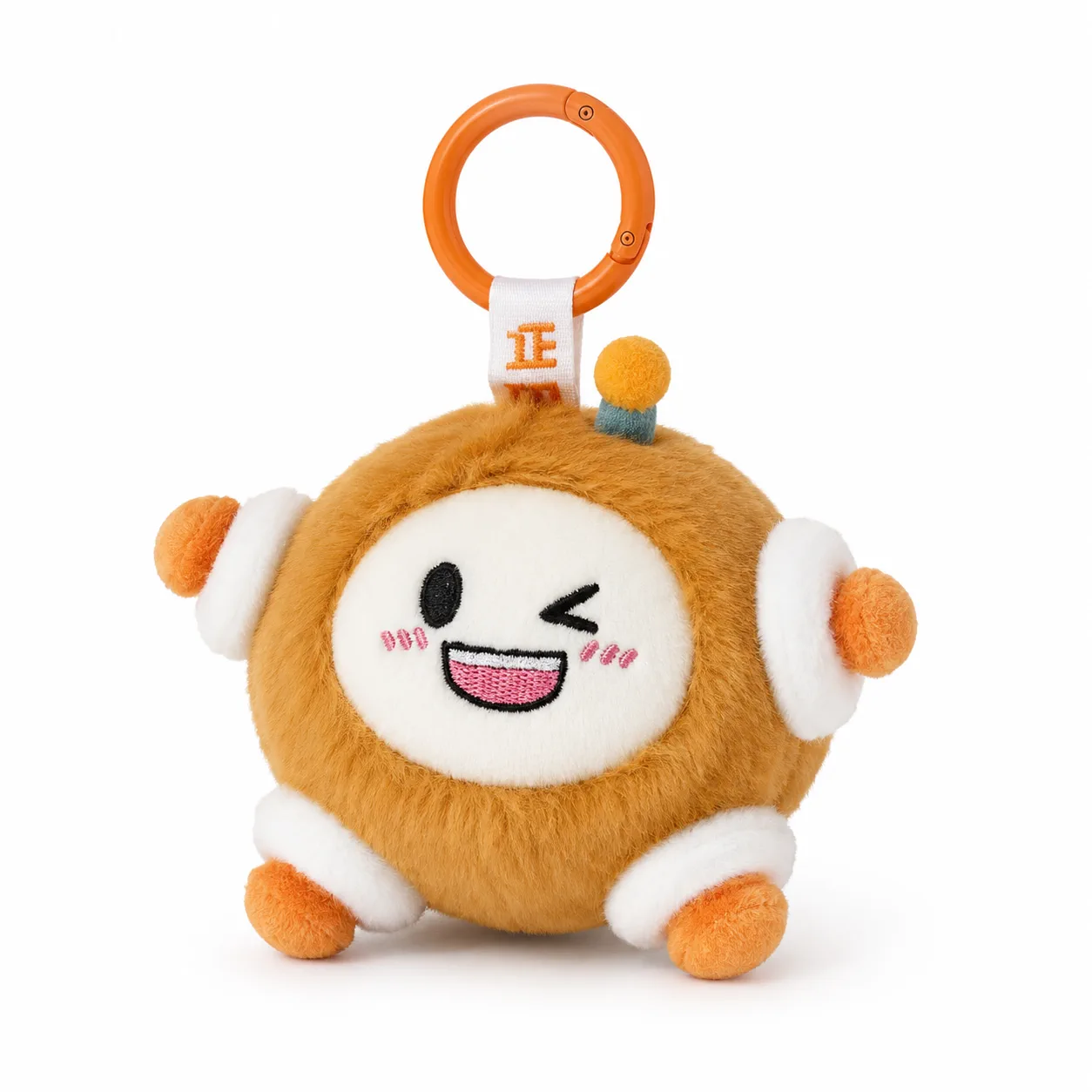
Reviewing in a stable order prevents small details from distracting everyone from a structural problem.
1. Silhouette and proportion
We first compare the front, side and back views with the approved artwork. We check head-to-body ratio, limb length, ear and tail position, symmetry, thickness and the way the product sits or hangs. If the outline is wrong, fine embroidery adjustments will not rescue the character.
2. Face and character recognition
Next we examine the eyes, brows, mouth, nose, muzzle and other identity-defining features. We review their placement as a group, because moving one element can change the expression. For long-pile fabrics, the visible result matters more than the embroidery file viewed alone.
3. Fabric, color and surface treatment
We check whether the fabric type, pile direction and handfeel match the intended product. Color references should be reviewed under consistent lighting where possible. Screen colors, printed references and fabric lots do not behave identically, so the accepted reference must be recorded clearly.
4. Sewing, embroidery and printing
We inspect seam placement, puckering, exposed thread, embroidery density, edge clarity and the relationship between decorated panels and sewn panels. Tiny artwork details may need to be enlarged, simplified or moved away from a seam to remain legible.
5. Filling, balance and handling
Filling changes both appearance and function. Too much filling can distort a face or make a sitting character unstable. Too little can create loose areas and weak definition. We also consider how the product will be handled, displayed, packed or attached to a keyring.
6. Clothing, accessories and attachment points
Accessories can be visually correct but impractical to assemble repeatedly. We check attachment strength, alignment, sharp or hard components, removable parts and whether a costume interferes with the body shape. Requirements depend on the target market and intended user, so buyers should share those details before approval.
7. Labels and packaging fit
The product is not fully approved if the label and packaging plan are still unknown. We check tag position, barcode or retail label needs, individual packing, display orientation and carton protection. Compression that saves space may also flatten a face, crease an accessory or change the unboxing experience.
How we turn sample comments into controlled revision instructions
A sample review works best when one buyer-side contact consolidates feedback. Separate comments from design, marketing, licensing and retail teams often conflict. One team may ask for a larger logo while another asks to preserve the character's original proportions. We can flag conflicts, but the buyer needs to confirm the priority.
We organize comments by version and by area of the product. Photos are marked with arrows or reference points. Measurements and color references are written beside the relevant feature. We distinguish mandatory corrections from preferences and future ideas. This makes it easier for the development and production teams to understand which version is current.
Version control is not administrative decoration. If an older face file, fabric code or packaging layout is used after approval, the finished goods can be internally consistent and still be wrong. The approved files, approved sample, material references, decoration files and packing instructions should tell the same story.
What becomes the bulk-production reference after approval
The physical approval sample is important, but it should not stand alone. We pair it with a written specification that records the decisions visible in the sample: dimensions, fabric and color references, embroidery or print files, accessory placement, labels, packaging and other approved details.
Our role is to keep those references aligned while coordinating the production partner and quality checks. AIYYANG should not be understood as claiming ownership of every factory involved in every process. We work as a merchandise development, supplier-coordination and quality-control team, selecting and managing production resources according to the product category and project requirements.
The approval sample also does not mean that every bulk unit will be mathematically identical. Plush products are cut, sewn, turned and filled, so controlled variation exists. The practical goal is to define the acceptable visual and construction standard, identify critical points, and inspect the batch against those points rather than against an impossible expectation of zero variation.
How sample approval changes QC, packing and shipping decisions
Good sample approval gives QC something concrete to check. Critical areas may include facial placement, overall proportions, seam security, embroidery clarity, accessory attachment, label position and pack-out. The inspection emphasis should reflect the design's real risks rather than a generic checklist alone.
Packaging decisions should also be tested against the approved product. A tall ear, three-dimensional muzzle, rigid accessory or delicate embroidery area may need extra space or protection. When a project is intended for retail, the display orientation and label visibility matter. When it is intended for an event, game launch or club campaign, master-carton identification and distribution planning may matter more.
Shipping method can affect packing choices. Buyers should tell us the destination country, delivery requirement and channel early enough for the quotation and packaging plan to use the same assumptions. We do not promise a fixed production or delivery time without reviewing the current design, revision scope, materials, quantity and destination.
Common mistakes we see during sample approval
- Approving only from the front view. The side and back can reveal thickness, balance, seam and attachment problems.
- Giving aesthetic feedback without a reference. “More premium” or “more accurate” does not tell the pattern or embroidery team what to change.
- Changing many variables at once. New fabric, new size, new pattern and new embroidery can make it hard to identify which change solved or created a problem.
- Skipping packaging until bulk goods are ready. The approved product may not fit the planned display box or shipping method.
- Allowing several uncontrolled file versions. A correct sample can still be followed by incorrect production if the current files are unclear.
- Treating the approval sample as a guarantee of zero variation. A better approach is to define critical tolerances and inspection priorities.
- Approving under deadline pressure without recording exceptions. If a minor issue is consciously accepted, it should be documented so it is not later reported as an unexpected defect.
Direct answers about plush sample approval
Why should I pay for a plush sample before bulk production?
Because a sample reveals three-dimensional decisions that artwork cannot prove, including pattern shape, filling, fabric behavior, facial placement, attachments and packaging fit. Correcting those points before bulk production reduces ambiguity and gives the buyer and production team a shared reference.
When is another physical sample necessary?
Another physical sample is usually appropriate when changes affect the pattern, major proportions, balance, fabric, important decoration placement, function or packaging fit. Limited changes may sometimes be confirmed with detailed photos or measurements if all parties agree that the evidence is sufficient.
What should be approved together with the physical sample?
The written specification, current artwork, dimensions, material and color references, embroidery or print files, accessories, labels and packaging instructions should match the approved sample. These combined references guide bulk production and QC.
Send us the sample questions before you approve the order
AIYYANG supports custom plush toys, plush keychains, acrylic merchandise, enamel pins, mascot products, IP character merchandise and custom packaging. Our work focuses on product development, supplier coordination and quality control. Send your artwork, target size, expected quantity range, destination and packaging idea. We will identify which decisions need to be settled before sampling and which points should become approval and QC references.
Contact us through WhatsApp or email aiyyang866@gmail.com. You can also submit a project brief.
Send sample questions
See how AIYYANG reviews, revises and approves custom plush samples before bulk production, including pattern, fabric, embroidery, QC and packaging decisions.