1. Agree what the finished order is being compared with
Keep the approved sample connected to its artwork version, dimensions, materials, colors, accessories, labels and packaging. Identify any exceptions the buyer knowingly accepted. An approval message that says only “looks good” may leave uncertainty about the back, attachments or packed appearance. We recommend recording which aspects were reviewed physically and which were accepted from photographs or documents. If something is still open, give it an owner and a decision point rather than treating it as approved.
For several sizes or formats, state which reference applies to each SKU. A small mascot, a large mascot and a boxed version can need different checks even when they share a character. Use the sample stage to resolve the appearance and construction, then connect that result to the order. A new material, revised kit or changed pack needs an explicit review of the affected reference; an earlier approval should not silently cover it.
2. Decide which differences matter and how to inspect them
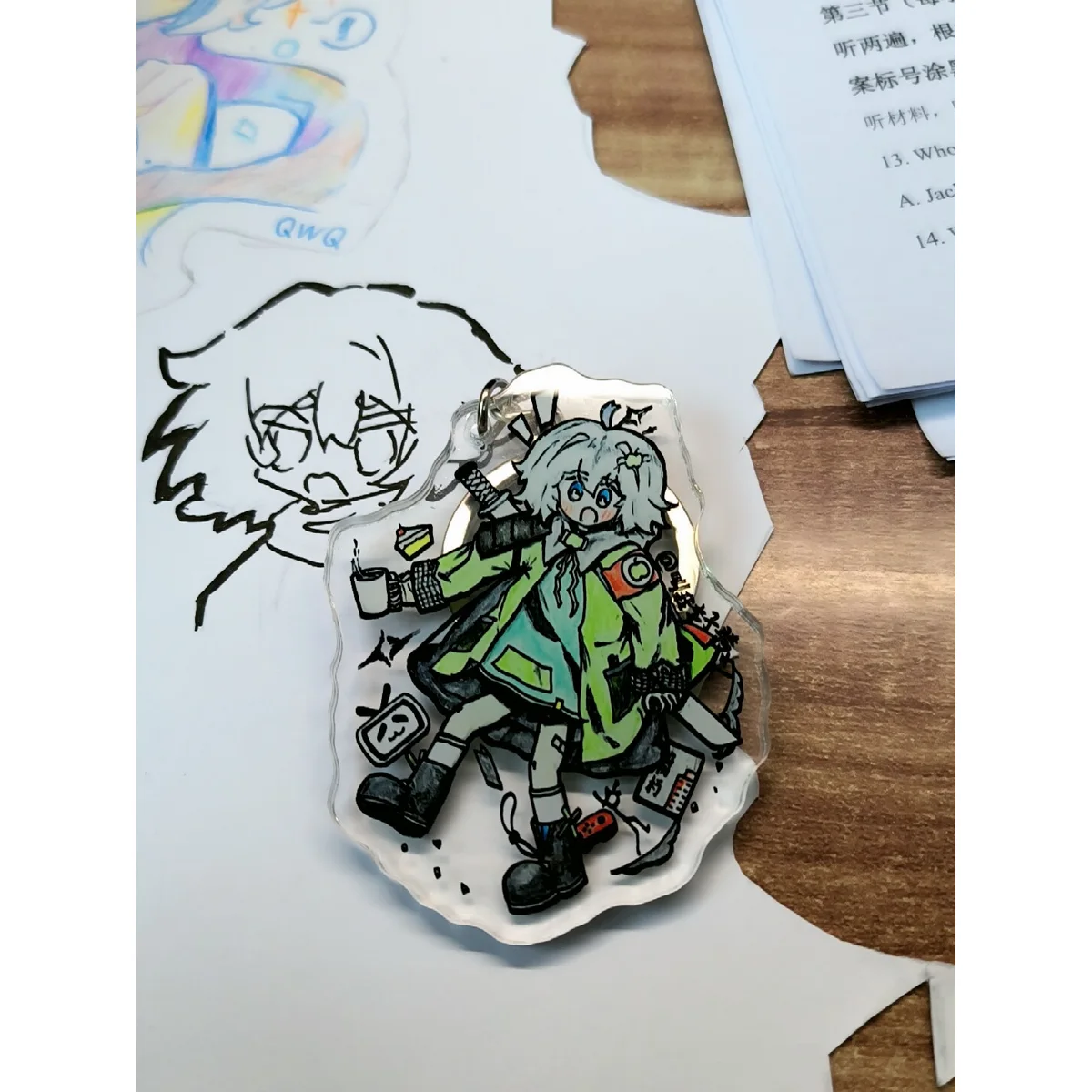
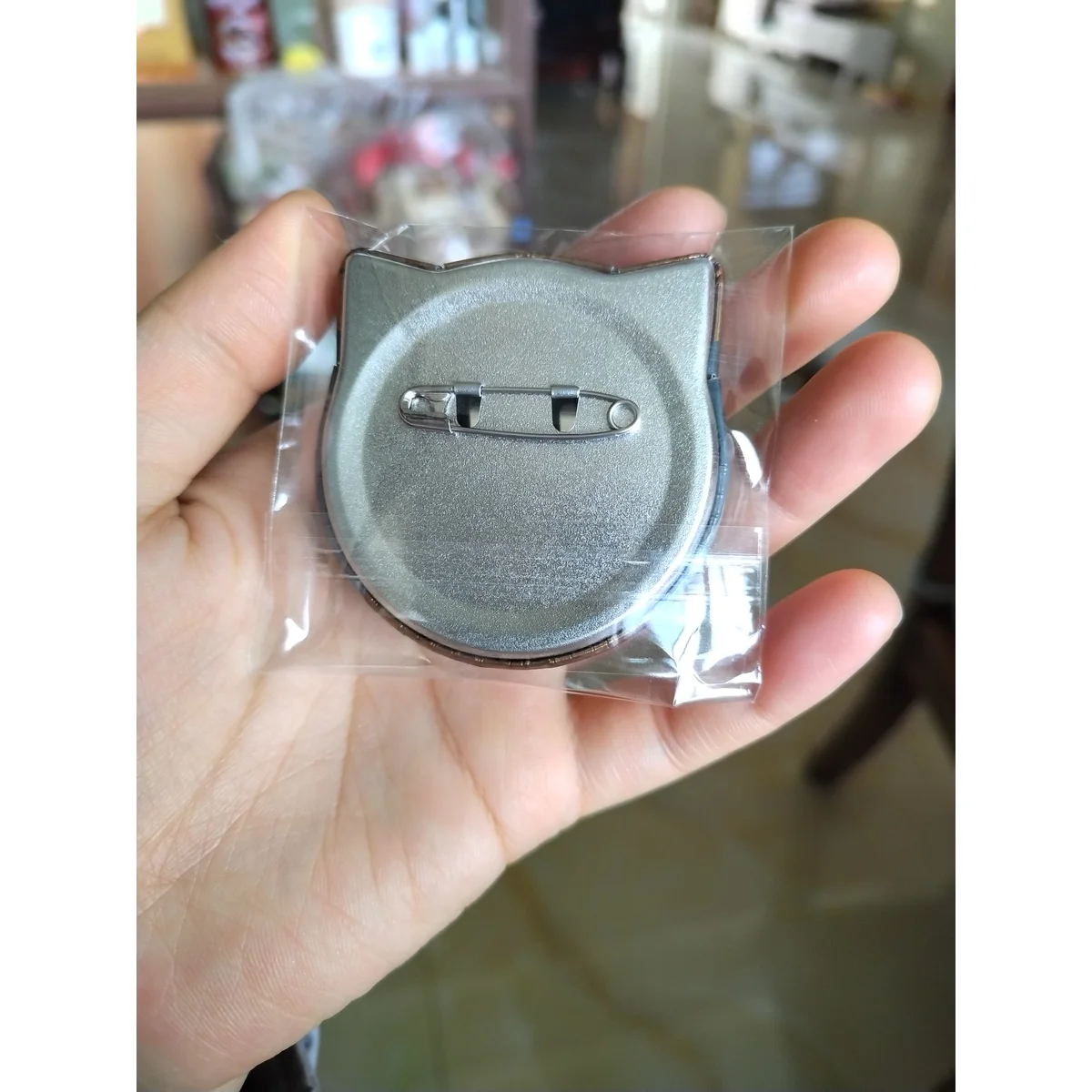
Start with the product's actual risks. For a plush mascot, the buyer may prioritize the expression, silhouette, seams, clothing and attachment points. Printed products may need particular attention to artwork direction, readable marks, surface condition and hardware. A gift set adds component identity and pack count. We recommend separating an appearance preference from an agreed specification requirement, so the inspection team can make a repeatable judgment rather than relying on different personal expectations.
Before production, agree the inspection scope, method, acceptance criteria and who can approve an exception. Do not assume every website or supplier uses the same sampling plan. If the buyer requires an independent inspector or specific tests, state that in the brief and confirm the arrangements. Product safety concerns should be raised separately and affected goods held while the appropriate review takes place. Visual approval of a sample is not a substitute for a required test or document.

3. Check before a repeated error spreads through the batch
We recommend checking that the production files and materials match the current reference before the run, then reviewing early units while a repeated problem can still be contained. Compare the features that matter most to the buyer, rather than collecting attractive overview photographs. A crest on the wrong clothing version can be consistently sewn and still be the wrong product. The purpose of the early check is to find that mismatch before it becomes widespread.
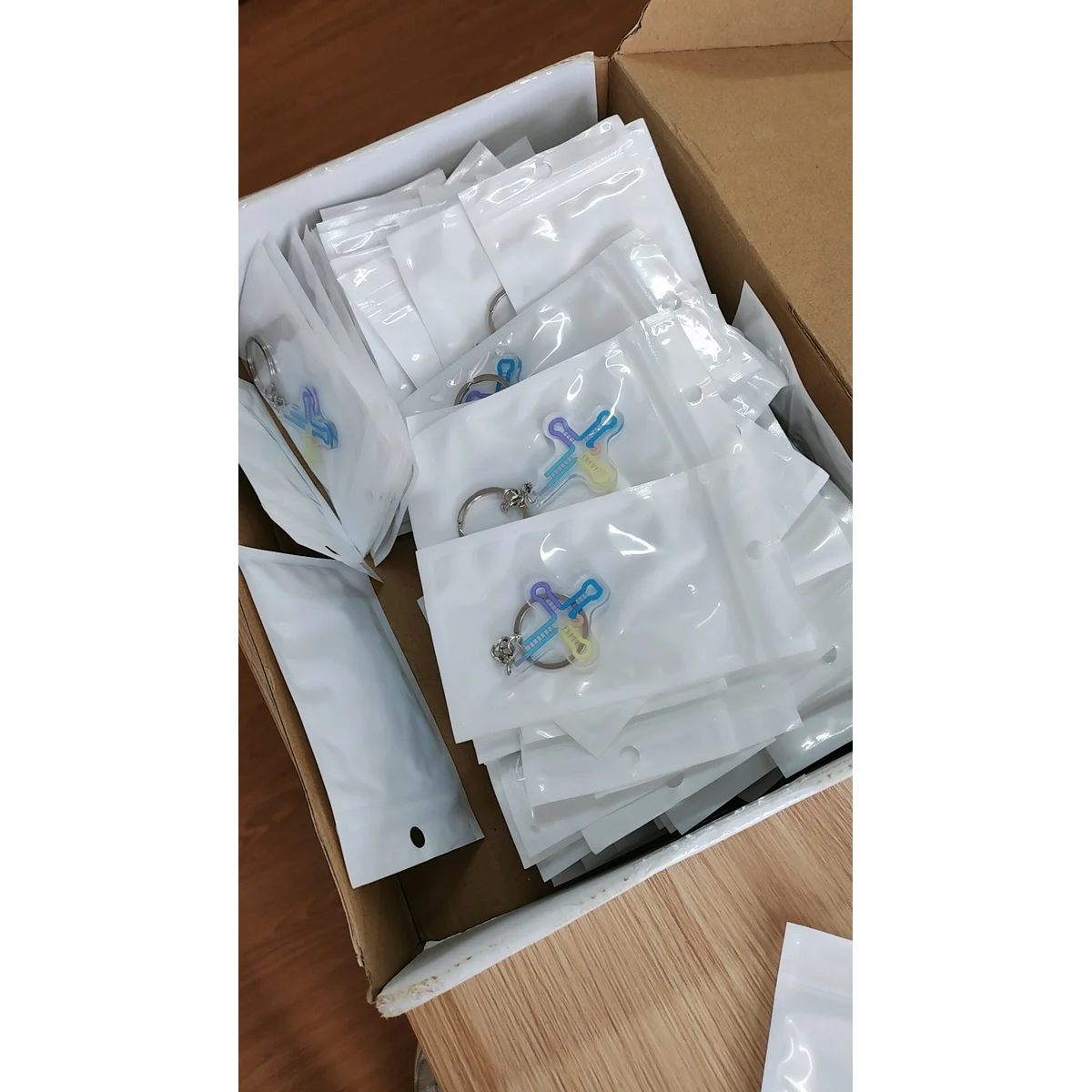
The finished-goods check and packing check have different jobs. One compares the product with the specification; the other confirms the right product, label, accessories and quantity are in the right pack and carton. Record findings against identifiable SKUs or batches. A progress photograph does not automatically mean inspection has passed, and a completed quantity does not mean it is released. Ask which stage has been completed and which decision still stands between the goods and shipment.
4. Separate affected goods and record the decision before release
When an issue is found, identify the affected product version and the quantity known to be involved. Keep confirmed acceptable goods, goods awaiting review and rejected goods distinguishable. If the scope is uncertain, record that uncertainty and agree how it will be checked; do not label the entire order defective or acceptable from a single photograph. We recommend one issue record with images, the reference used, the observed difference and the decision required.
Possible actions depend on the issue. A corrected label may need a different response from a change in character shape or an attachment concern. Review whether a proposed correction changes other approved features or the receiving plan. After an agreed correction, verify the relevant result and record the release decision. An approaching event is a reason to discuss options clearly, not a reason to treat unresolved goods as automatically approved.
5. If you find a problem on arrival, preserve useful evidence
Tell us the order reference, SKU, carton identification and quantity affected or checked. Send an overall photograph, clear details of the issue, the approved reference being compared and the condition of the packaging. Distinguish damage noticed before opening from a product difference found inside. Keep representative affected items and the relevant packaging available while the issue is reviewed. Avoid mixing them with usable stock or disposing of evidence before the response is agreed.
Record facts without guessing the cause. For example, a crushed carton and a marked product may be relevant to a transport review, but photographs alone do not establish who is responsible. If the problem may affect safe use, stop distributing the affected goods pending the appropriate assessment. Share the information through the project contact and identify the practical decision needed, such as whether a remaining batch can be received or an upcoming distribution should be held.
6. Agree a written response for the actual issue
After comparing the evidence with the agreed specification, we recommend a written plan that identifies the affected scope, proposed action, responsibilities and points that still need confirmation. Depending on the circumstances, discussions may include rework, remake, replacement, an agreed acceptance of a difference or another commercial resolution. None should be presumed before the facts and applicable order terms are reviewed. State how any revised goods will be checked and how the proposed action affects packing and delivery.
Keep the issue open until the agreed action and verification are recorded. Update the relevant specification or handover instruction if that will prevent the same problem in a repeat order. For a first order, send the buyer's inspection expectations with the approved artwork and product scope. This allows quality responsibilities and their quotation implications to be discussed before a problem occurs, rather than negotiated from scratch when the goods are ready.
Questions before you order
Does approving the sample guarantee every unit will be identical?
No. The sample and written specification provide a shared reference, while the agreed checks distinguish acceptable variation from errors or defects. Specify the important features and acceptance criteria before production instead of relying on a general promise of identical pieces.
Can our team appoint an independent inspector?
You can include that requirement in the project brief. The inspection scope, access, timing, reporting and responsibility for costs need to be agreed for the order. An inspector's visit should be planned around the relevant product and packing stage.
Will you inspect every product in the order?
The inspection method and scope must be confirmed for the actual order. We should not imply that every unit receives every possible check. Tell us any required checks so the plan and quotation can state what is included.
What should we send when reporting a defect?
Send the order and SKU references, affected or checked quantity, carton identification, clear photographs, packaging condition and the agreed reference showing the difference. Preserve representative goods and packaging while the issue is reviewed, and distinguish observed facts from assumptions about the cause.
Are replacements or refunds automatically free?
No automatic outcome is stated here. The evidence, affected scope and applicable order terms need review before a written remedy is agreed. That plan should identify the action, cost responsibilities, verification and any delivery consequences.
What happens if a quality problem threatens our event date?
Identify the goods and decision affected, then review workable options against the buyer's receiving needs. A partial release or changed specification needs explicit agreement. Urgency does not by itself approve unresolved goods or guarantee that a replacement can arrive in time.