
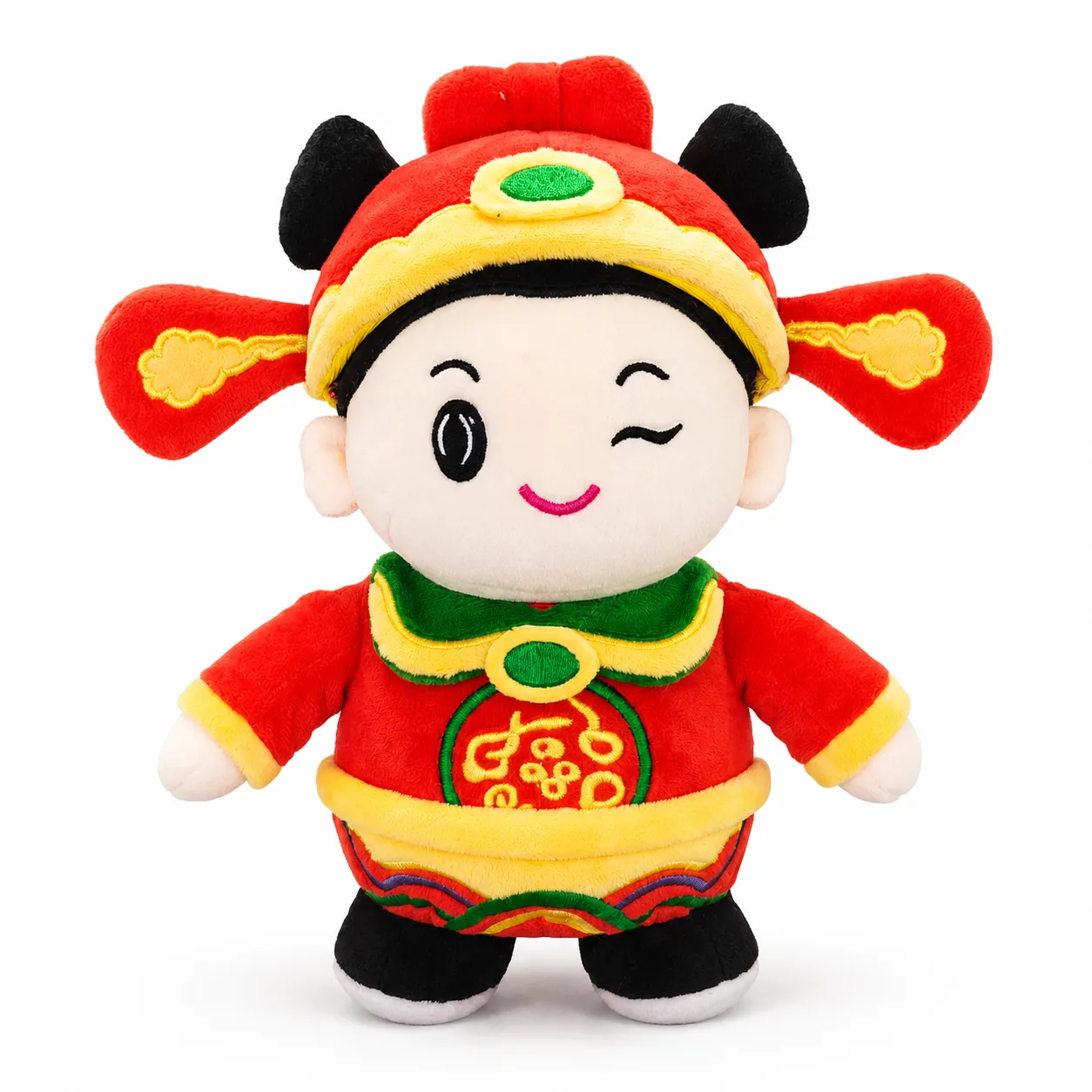
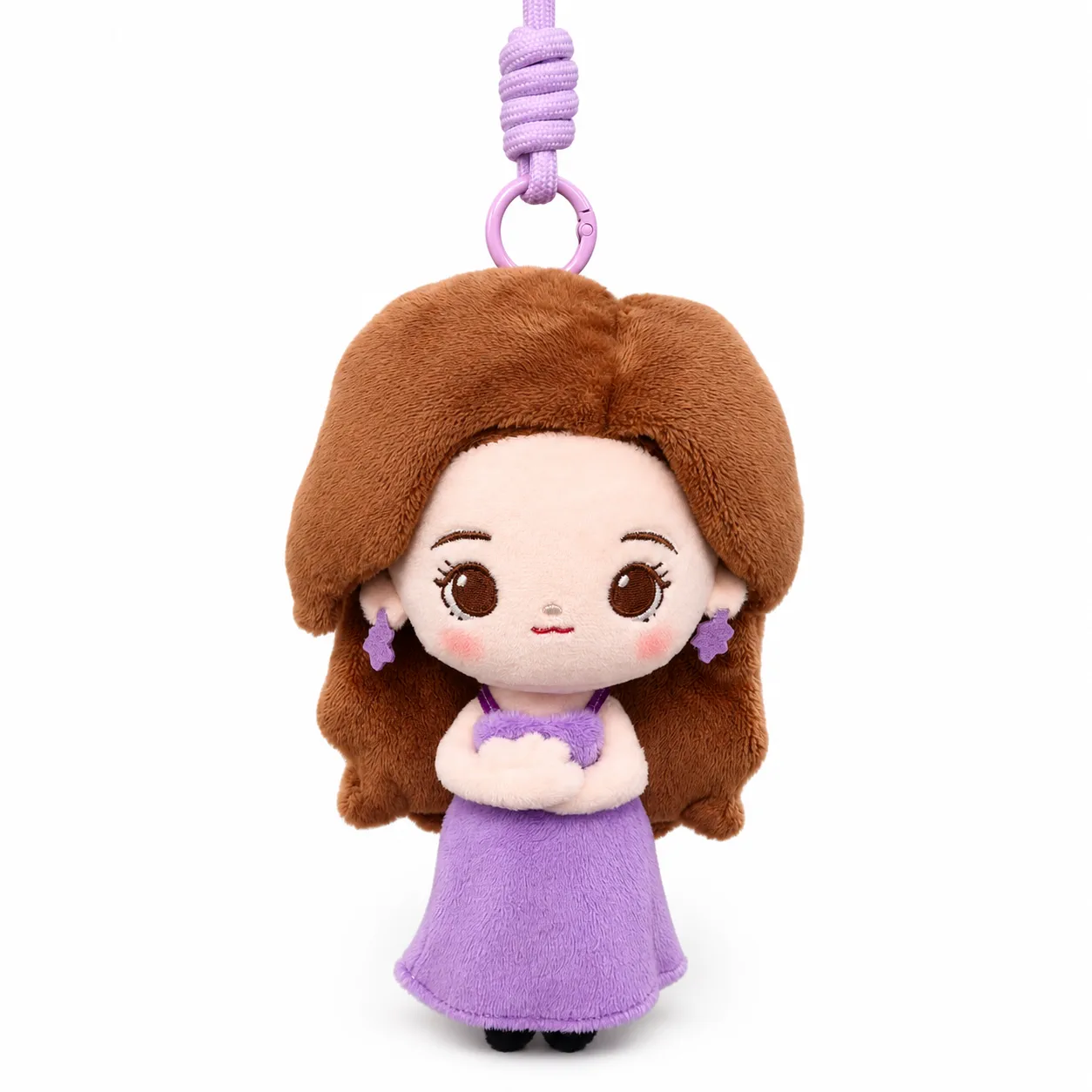
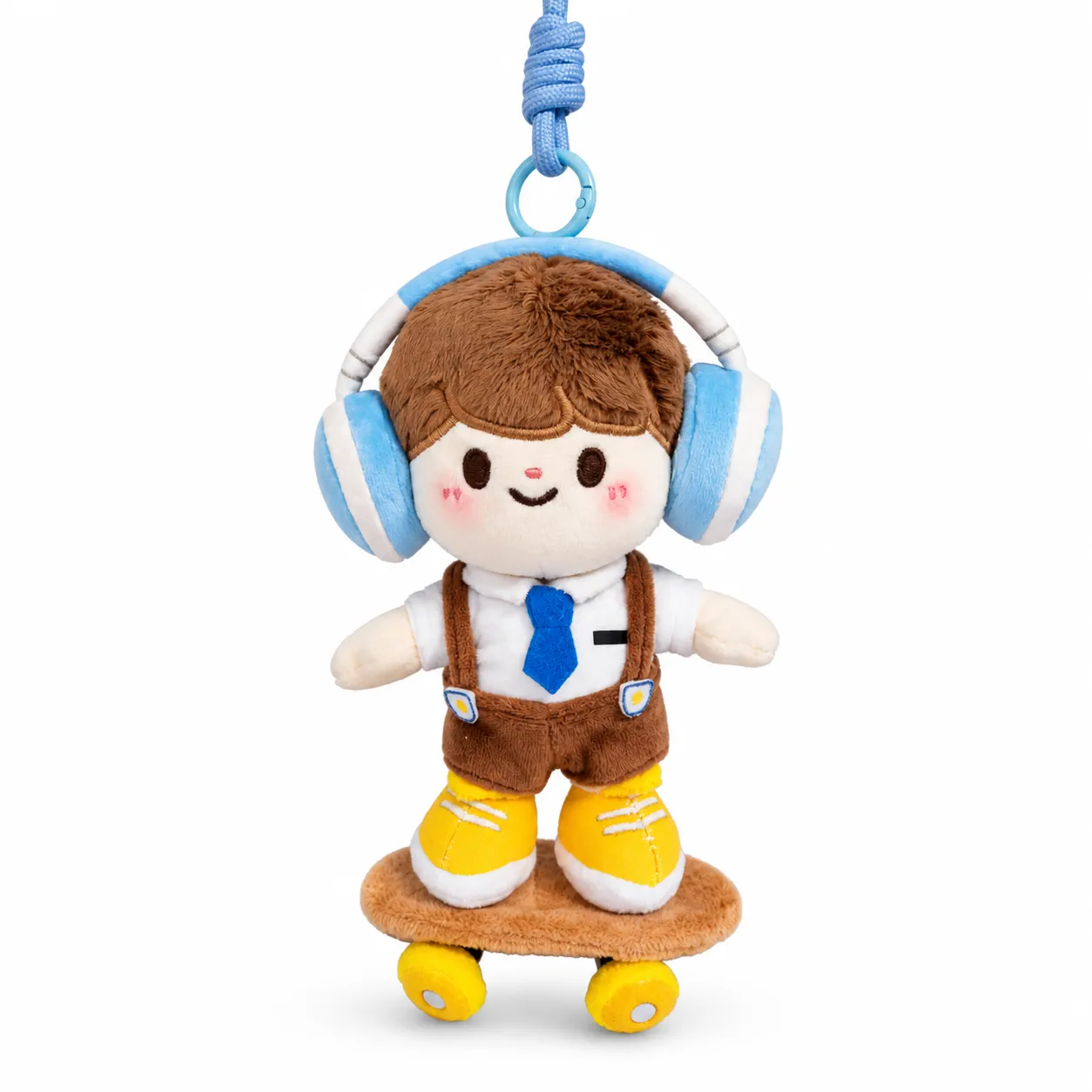
When we review a small custom plush project, we do not begin by promising the lowest possible number. We begin by checking whether the first order can still produce a useful sample, a clear production specification, and a batch that represents the character properly. If the order is too fragmented or the design relies on too many special materials, a very small run can create more risk than it removes.
The first question is not “How low can the MOQ go?”
The better first question is: what does this order need to prove?
A creator may want to test whether one character can sell to an existing community. A sports club may need a focused mascot item for a fan-shop trial. A brand or event team may want a small first run before deciding whether the product belongs in a larger merchandise collection.
Those are different commercial situations, even if all three buyers ask for a low MOQ. The creator may need one recognizable hero SKU and simple packing. The club may need a hangtag, club colors and a delivery date linked to a season or event. The brand team may care more about repeatability, retail presentation and whether the product can be reordered later.
Before discussing quantity, we therefore ask about the audience, the use of the product, the number of characters, the target size, the sales or distribution plan, the destination country and the required in-hand date. These details tell us whether a small trial order is a useful test or only a smaller version of an overcomplicated project.
Why small quantities still require real development work
Custom plush is not produced by printing a different image onto a standard blank item. A new character normally requires artwork interpretation, a sewn pattern, fabric and color decisions, embroidery or print preparation, sample making, revision handling, production instructions and quality references.
Most of that work happens before the bulk quantity is sewn. A pattern still needs to work whether the order contains a small trial quantity or a much larger production run. Embroidery files still need to be prepared. The face still needs to be positioned correctly. Accessories, labels and packing still need to be confirmed. A physical sample still needs to show whether the 2D character works as a soft three-dimensional object.
This is why a lower order quantity does not reduce every part of the project cost in the same proportion. The total spend may be lower, but fixed development and setup work is shared across fewer units. Buyers should compare the full first-order cost, not only the unit price.
The factors that usually decide a workable MOQ
Number of designs and colorways
MOQ is normally easier to manage when the first order focuses on one design. If a total quantity is divided among five characters, each SKU becomes a separate small production task. Different characters may need different patterns, fabrics, embroidery files, labels and packing records.
For a first test, one strong character often provides better information than a wide collection with very little quantity behind each design. Additional characters can be developed after the team understands sample feedback, actual production cost and customer response.
Fabric availability
Standard fabrics in suitable colors are usually easier to source for a trial order. A special pile length, uncommon texture, exact custom-dyed color or very small quantity of several fabrics may introduce supplier purchasing minimums that are larger than the intended plush order.
The right decision is not always to accept the closest available fabric. The material affects the character’s appearance and hand feel. We first identify which color or texture is essential to the character and where a practical alternative would not damage recognition.
Embroidery, printing and small details
Eyes, mouths, logos, costume details and surface graphics must be translated into a process that works at the target size. Dense embroidery, many thread colors, fine text and tiny separated shapes add setup work and may become unclear on a small plush item.
Simplification should protect the character rather than make it generic. The useful question is which details create recognition. A specific eye shape, silhouette, hair section or costume mark may matter more than several minor lines visible only in the original illustration.
Clothing and accessories
Separate garments, removable parts, metal hardware, plastic pieces, ribbons and unusual attachments increase sourcing and assembly work. They may also create additional checks during sampling and production.
For a trial order, we often review whether an accessory can be integrated into the plush construction, represented with applique or embroidery, or postponed to a later version. This is a manufacturing decision, not simply a request to remove detail.
Labels and packaging
A plain protective bag is different from a retail program that needs woven labels, hangtags, barcodes, backing cards, inserts or custom boxes. Packaging suppliers have their own setup and purchasing conditions. A complex box can become the real minimum-order constraint even when the plush itself is workable at a lower quantity.
Packaging should be discussed during quotation, not after the plush has been approved. The product size, keychain attachment, compressed shape, label position and shipping carton all affect the final packing plan.
Target market and intended user
A collector item for an adult fan community and a toy marketed for children do not carry the same product, labeling and testing considerations. The destination market and intended age group need to be known before materials, accessories and labels are finalized.
We do not assume that one compliance plan fits every order. The required scope must be confirmed for the actual product and destination before production.
When a low-MOQ trial order is more likely to work
A small first order is usually easier to evaluate when the project has:
- one main character or a tightly controlled number of SKUs;
- clear front, side and back references, or enough information to interpret the missing views;
- a practical target size;
- standard materials that still preserve the important colors and hand feel;
- embroidery or printing focused on recognizable features;
- limited separate accessories;
- straightforward packing;
- one person responsible for consolidated sample feedback;
- a realistic approval and delivery schedule; and
- a plan for what the buyer will measure after the trial.
The last point is often missed. A trial order should answer a commercial question. That may be customer interest, price acceptance, preferred character, sell-through at an event, or suitability for a larger collection. If the team does not know what it is testing, the smaller order may not make the next decision any easier.
How we reduce complexity without losing the character
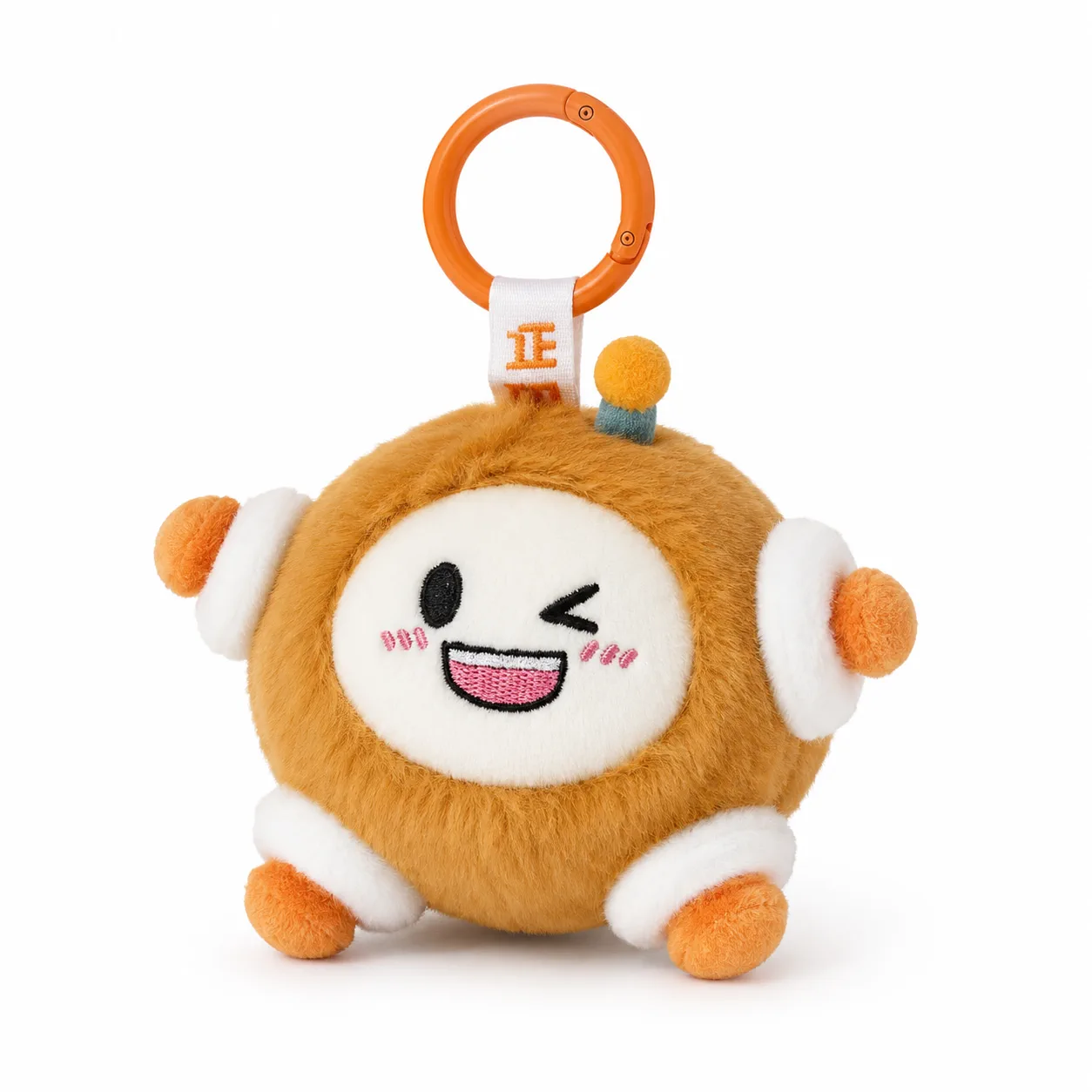
The goal of a small order is not to make the cheapest possible plush. It is to create a focused version that still feels intentional.
We start by separating signature features from secondary details. Signature features may include the head-to-body proportion, eye expression, ear shape, color blocking, a recognizable accessory or the way the character stands or sits. These should be protected during the design review.
Secondary details can then be evaluated by production method. A thin printed line might become embroidery. A layered costume may be represented with sewn color panels. A small rigid accessory might become a soft applique. An exact but unavailable fabric color may be compared with practical stocked options before anyone approves a substitution.
Every change should be visible in the artwork or sample review. The buyer should not discover production simplifications after the order is finished.
Why a sample still matters for a small order
Skipping sampling may appear to save money, but it removes the main approval point for a new plush design. Screen artwork cannot confirm the final silhouette, stuffing firmness, seam placement, fabric behavior, facial expression, hand feel or the way an accessory sits on the body.
For a low-MOQ project, the sample has two jobs. First, it helps the buyer decide whether the product represents the character well enough to launch. Second, it creates the reference used to communicate the approved construction to production and QC.
Sample comments should be consolidated and specific. “Make it cuter” is difficult to produce. “Move both eyes slightly lower, reduce the head width, and keep the approved ear angle” gives the sample team a usable instruction. Feedback should also distinguish required corrections from optional preferences, especially when the launch date is fixed.
The approved version, artwork notes, material references, dimensions, decoration files and packing requirements should remain together. A sample without written specifications is harder to repeat on a later order.
How to compare the real cost of a trial order
A useful first-order comparison separates at least four cost areas:
- Development and sampling: pattern work, sample materials, decoration setup, sample labor and agreed revision scope.
- Bulk unit cost: fabric, filling, cutting, embroidery or printing, sewing, finishing, accessories and production QC.
- Labels and packaging: woven labels, hangtags, bags, cards, inserts, boxes, barcodes and carton preparation.
- Freight and import planning: shipment method, carton volume, destination and the agreed EXW, FOB or DDP scope.
Two quotes can look similar at the unit-price level while covering different work. One may exclude packaging, sample revisions or freight preparation. Another may assume a simpler construction than the artwork requires. Buyers should compare the same approved specification and ask what is included.
Our review path for a small plush project
1. Project purpose
We confirm who the product is for, how it will be sold or distributed, what the first order needs to test, and when it must be available.
2. Artwork and structure review
We review the character shape, missing views, target size, materials, decoration, clothing, accessories and likely production risks.
3. Quantity and specification options
We discuss the number of designs, practical material choices, packing level and which features must stay unchanged. If the requested structure is not suitable for a trial quantity, we explain the constraint before sampling.
4. Sample development and feedback
The sample is reviewed for silhouette, proportion, face, fabric, construction, branding and packing fit. Buyer comments are combined into a controlled revision list.
5. Approval and production reference
The approved sample and written details become the reference for production. Late changes are evaluated for their effect on cost, material purchasing and schedule before they are accepted.
6. Production, QC and packing
The order is checked against the approved references, then packed according to the confirmed label, bag, box and carton requirements.
Common mistakes in low-MOQ plush planning
- Splitting the first quantity across too many characters.
- Asking for an exact custom color before checking whether a suitable standard fabric exists.
- Keeping every illustration detail even when it cannot read clearly at the intended plush size.
- Adding complex retail packaging after the unit price has already been agreed.
- Treating the sample as a photo approval without recording dimensions, materials and construction details.
- Sending feedback from several people in separate messages.
- Planning production backward from the public event date with no allowance for sample revision, freight or receiving checks.
- Comparing supplier quotes that are based on different sizes, materials, accessories or packing.
Direct answers about low-MOQ planning
Can AIYYANG accept a low-MOQ custom plush order?
We review low-MOQ requests individually. The workable quantity depends on the design count, size, fabrics, embroidery or printing, accessories, packaging and target market. We prefer to review the artwork and quantity per SKU before suggesting a production plan.
Can I divide the minimum quantity among several characters?
Sometimes, but the total quantity is not the only factor. Each character may require separate patterns, decoration files, materials, labels and approval records. Send the quantity needed for each design so the production setup can be reviewed accurately.
How can I make a trial order easier to produce?
Start with one main SKU, protect the character’s signature features, use practical materials, limit separate accessories, keep packaging straightforward and combine all sample comments into one revision list.
Talk to AIYYANG about a focused first order
AIYYANG helps brands, IP owners, game companies, sports clubs, creators, retailers and event teams turn original artwork into physical merchandise. For a low-MOQ plush review, send your artwork, target size, quantity per design, packaging idea, destination and required date. Our team will review the project conditions and explain what should be confirmed before sampling.
Send project details
Learn what AIYYANG checks before suggesting a low-MOQ custom plush trial order, including design count, fabrics, embroidery, packaging and sampling.