
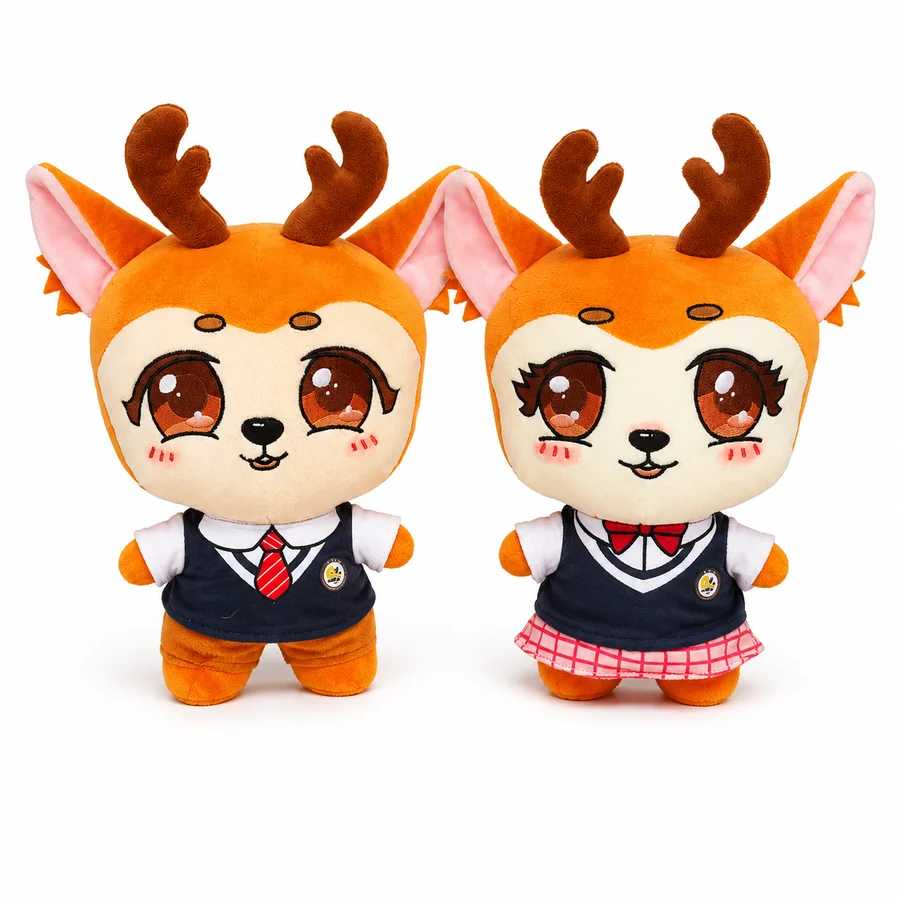
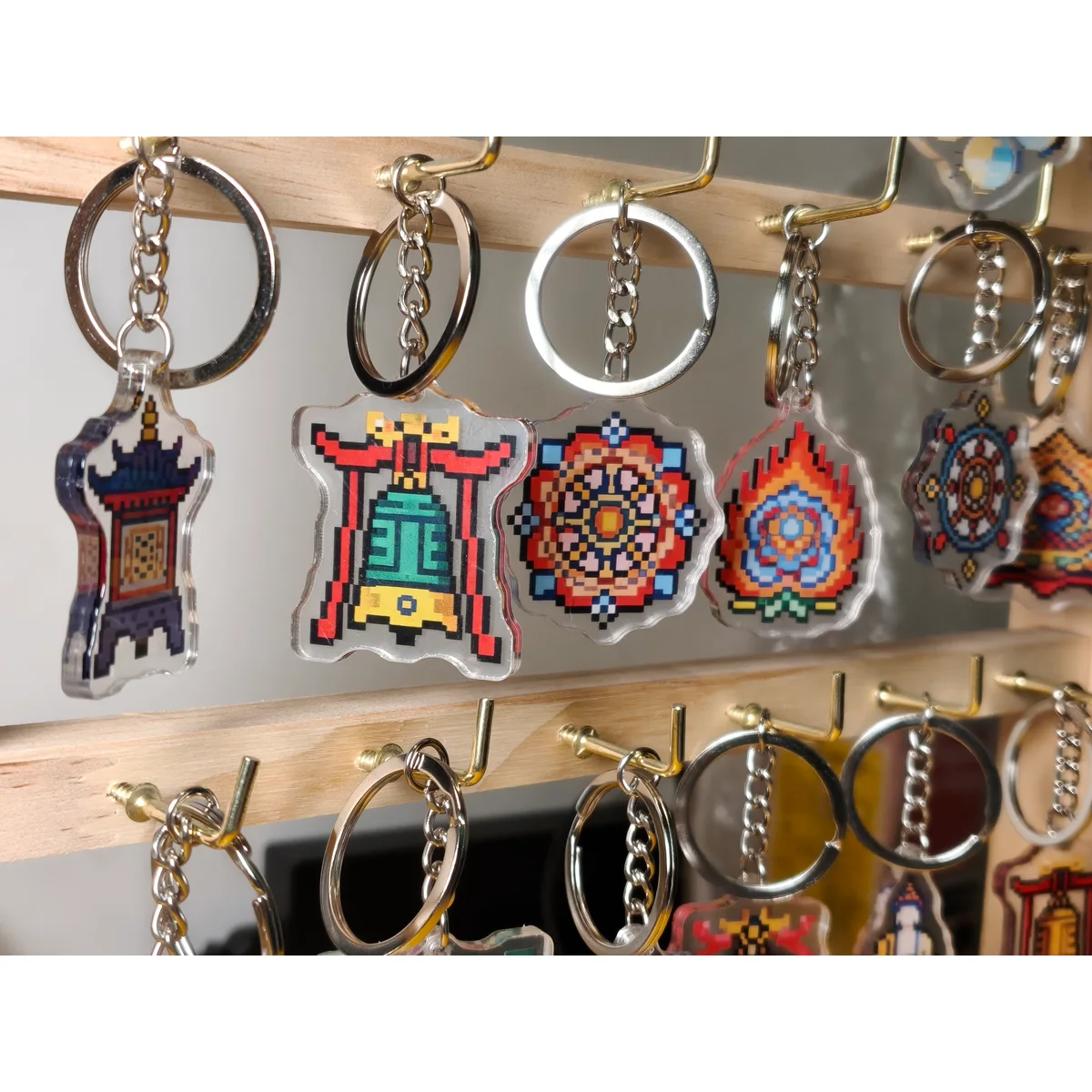
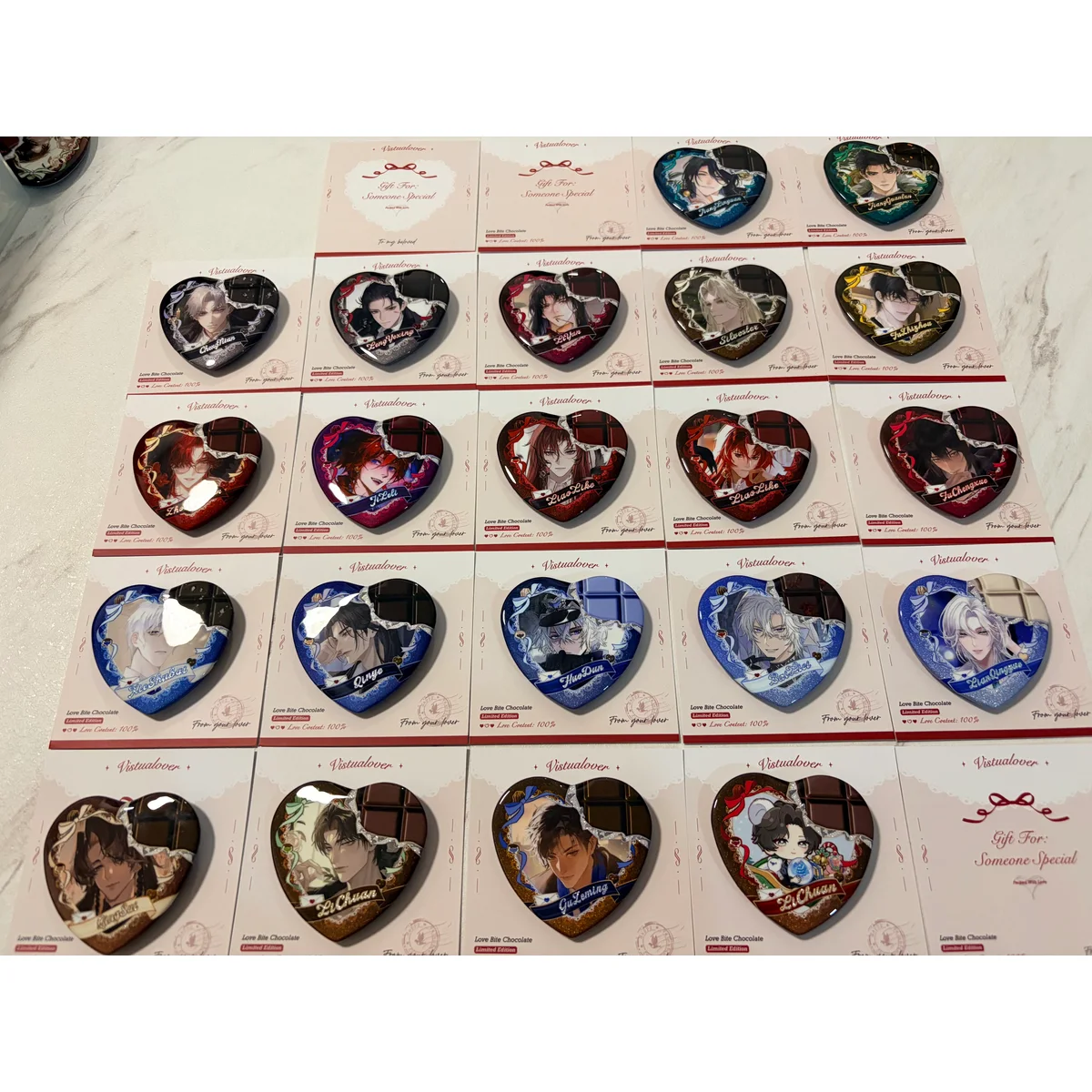
This page owns one specific question: what happens between receiving artwork and releasing a useful physical sample. Quotation preparation is covered by the RFQ checklist; broad buyer questions are answered in the FAQ; bulk inspection and supplier responsibility are covered by Supply Chain & QC.
1. Freeze the artwork version we actually received
Artwork often arrives through email, cloud links and messaging apps. We name the current file, record its date and connect it to the intended product and SKU. A file called “final” may mean the illustration is approved; it does not automatically confirm size, materials, construction, accessories or packaging.
The intake record also notes the intended use, number of designs, quantity range, target size, destination and timing priority. Unknown fields stay open. This context tells us which artwork decisions matter without turning commercial assumptions into production instructions.
2. Separate character identity from physical interpretation
We mark the features that must not change: expression, important color blocks, logos, text and licensed character details. We then list the physical decisions the artwork does not show, such as side profile, back markings, pose, thickness, attachment, cutline, hardware position or how small details should be simplified.
Missing character information stays open until the buyer provides another view, approves a proposed interpretation or assigns a physical question to the sample.
3. Create one derivative brief for each product and SKU
One approved character source can guide a collection, but plush, acrylic, badges and packaging cannot share one production file. Plush needs decisions about shape, seams, fabric, embroidery and attachments. Acrylic needs a visible layout, cutline, print layers and hardware or base position. Pins and badges need their own crop, finish and backing. Packaging needs product fit, copy, barcode space and assembly direction.
Each derivative brief keeps the source identity but carries its own product code and revision. A change to the plush face does not silently alter an approved acrylic file. A revised backing card does not become approval for the product inside it.
4. Route every missing decision to the right owner
- Buyer file: licensed artwork, wording, logo, missing character view or authoritative label content.
- Development proposal: a manufacturable cutline, simplified tiny detail, likely attachment area or alternative construction presented for approval.
- Physical sample: shape, balance, feel, fabric behavior, component fit, hanging direction or packaging interaction that a screen cannot prove.
This classification keeps the production team from making brand decisions and keeps the buyer from being asked to supply factory engineering. Proposed methods remain subject to the actual product, quantity and specialist supplier capability.
5. Define what the sample must prove
A sample brief identifies the active artwork, product and SKU, locked features, target dimensions, proposed materials, open interpretations and the person responsible for each approval. It should state the physical questions in plain language.
For plush, the sample may need to prove silhouette, pose, balance, facial placement, fabric behavior or attachment strength. For acrylic, it may need to prove visual scale, cutline appearance, print relationship, hardware direction or base fit. Items not included: such as an optional box, barcode or accessory: are recorded instead of being assumed.
6. Record approval before the next handoff
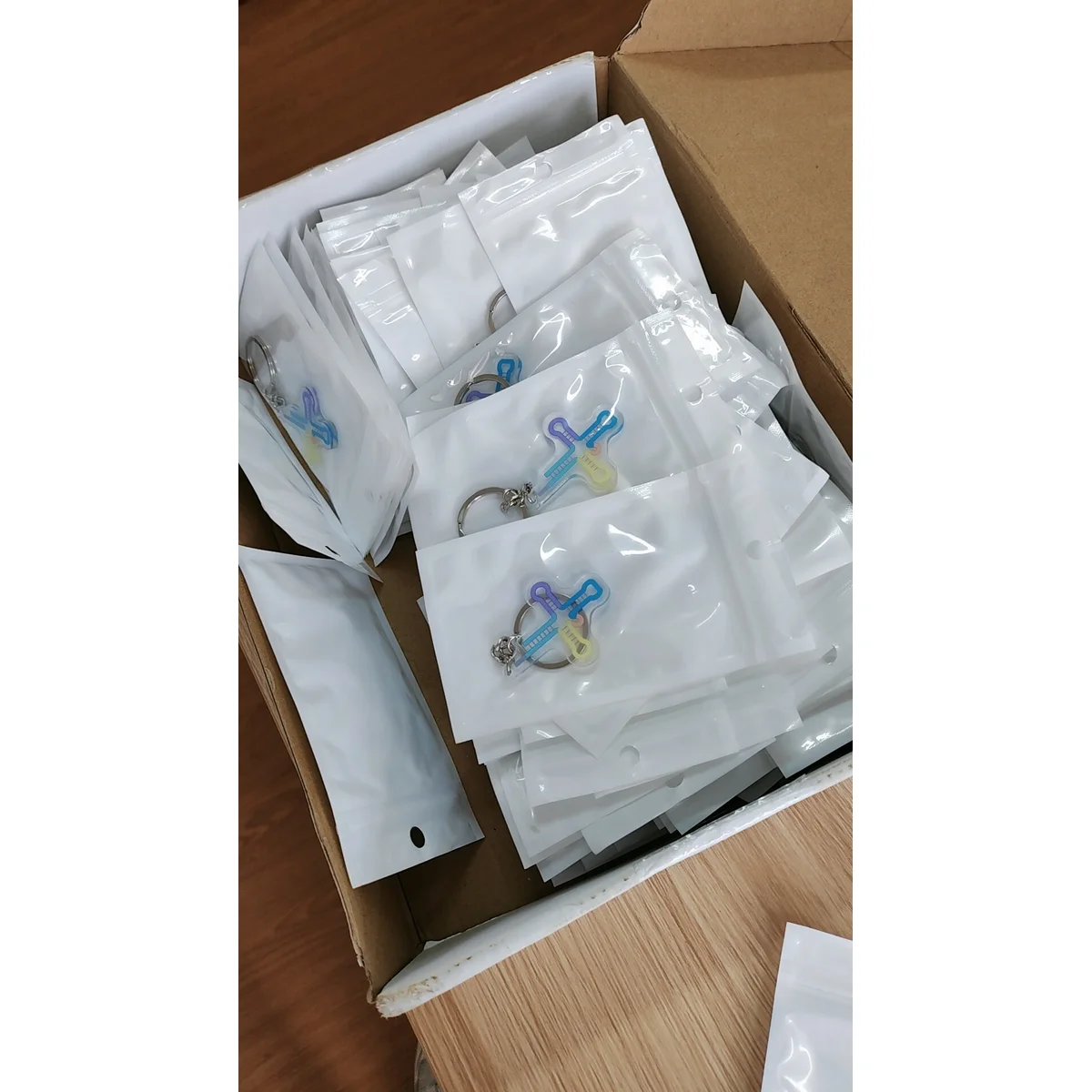
“Looks good” is not a controlled approval. We connect the decision to a named file, sample, dated image set or revision and record any conditions that remain open. Scattered comments are consolidated so the next supplier or production stage does not follow an older screenshot.
The approved sample works with the written specification; it does not replace it. Materials, dimensions, decoration files, accessories, labels, packaging instructions and accepted exceptions need to remain connected. Price, MOQ, production timing, testing and delivery are confirmed separately against the current commercial scope.
For an initial artwork review, send the best current file, intended product, number of designs, quantity range, target size, packaging direction, destination and required receiving date. Mark locked features and missing views. We will return the missing-decision list before recommending sampling.
One direct answer about this process
What does this artwork-to-sample page cover?
It covers versioned intake, missing-view review, product-specific derivative briefs, sample questions and approval records. It does not set price, MOQ, production time or delivery terms.
Send the file and label what is confirmed or open
We will separate brand-controlled facts, development proposals and questions that need a physical sample.
Request an artwork review
See how AIYYANG records artwork versions, finds missing inputs, reviews manufacturability and builds a controlled brief before custom merchandise sampling.