What we show
Original product images, visible construction, finish, accessories, packaging and the practical decisions that can be explained from the product.
A useful case study should explain more than what the finished product looks like. These anonymized project examples show the design questions, sample decisions, production risks and packing details that matter when an original idea becomes a physical product.


The images on this page come from product material already organized for public review. Commercial details stay private unless permission and supporting records are available.
Original product images, visible construction, finish, accessories, packaging and the practical decisions that can be explained from the product.
Customer identity, brand names, logos, quantities, prices, order dates and confidential launch information.
We do not invent sales results, satisfaction statements, inspection scores or commercial outcomes that are not documented.
Each example is presented as a project pattern rather than a named customer story.
Project situation
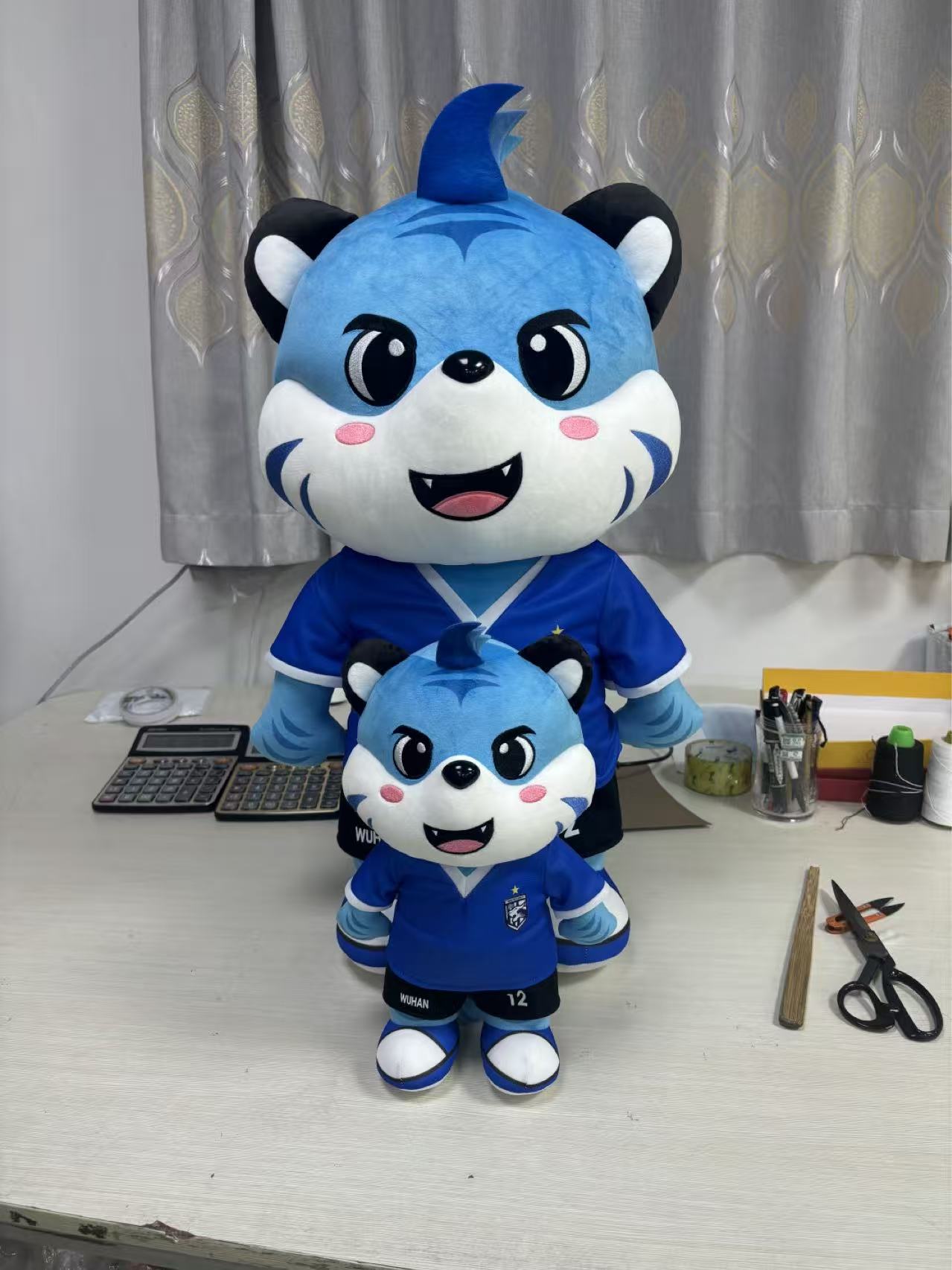
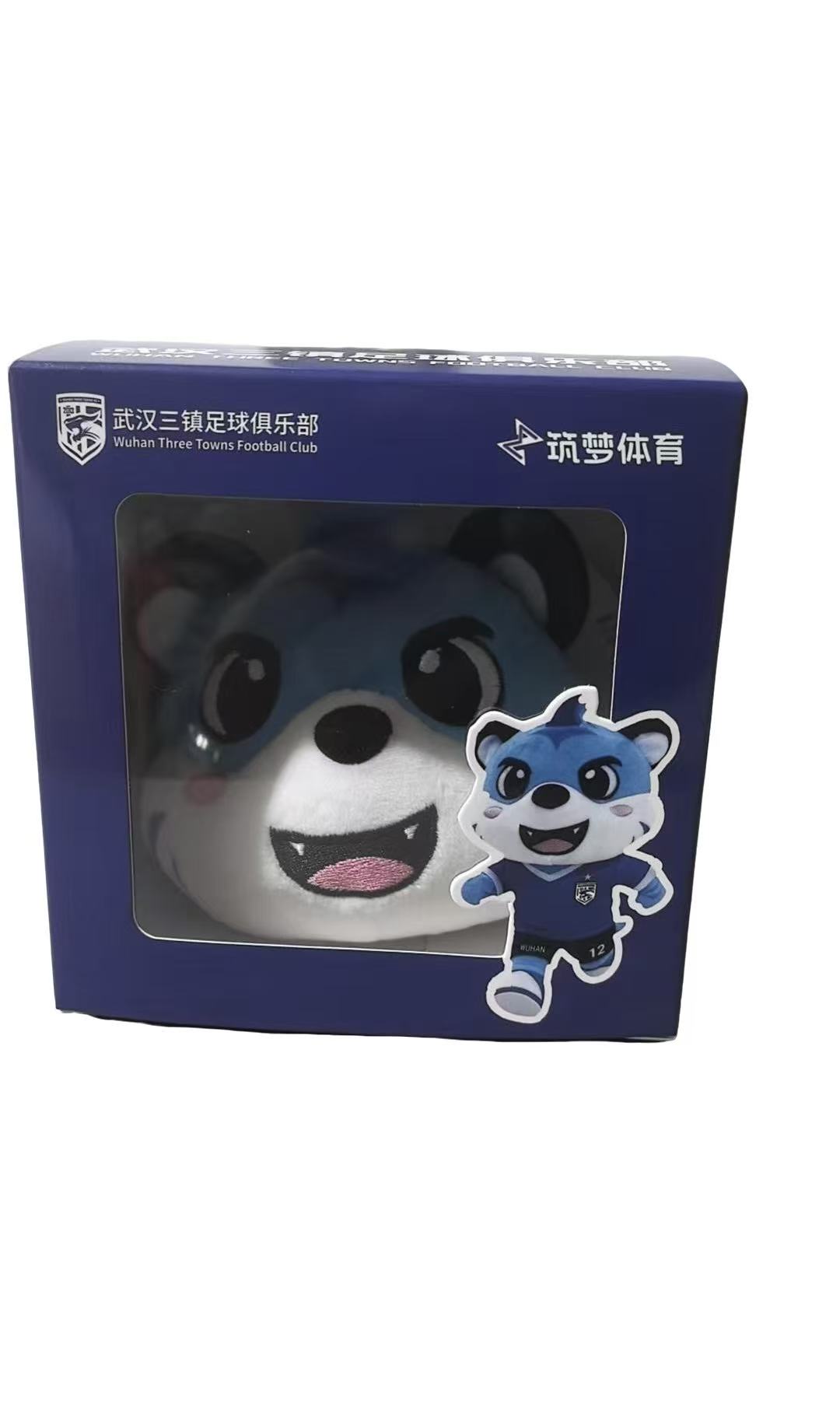
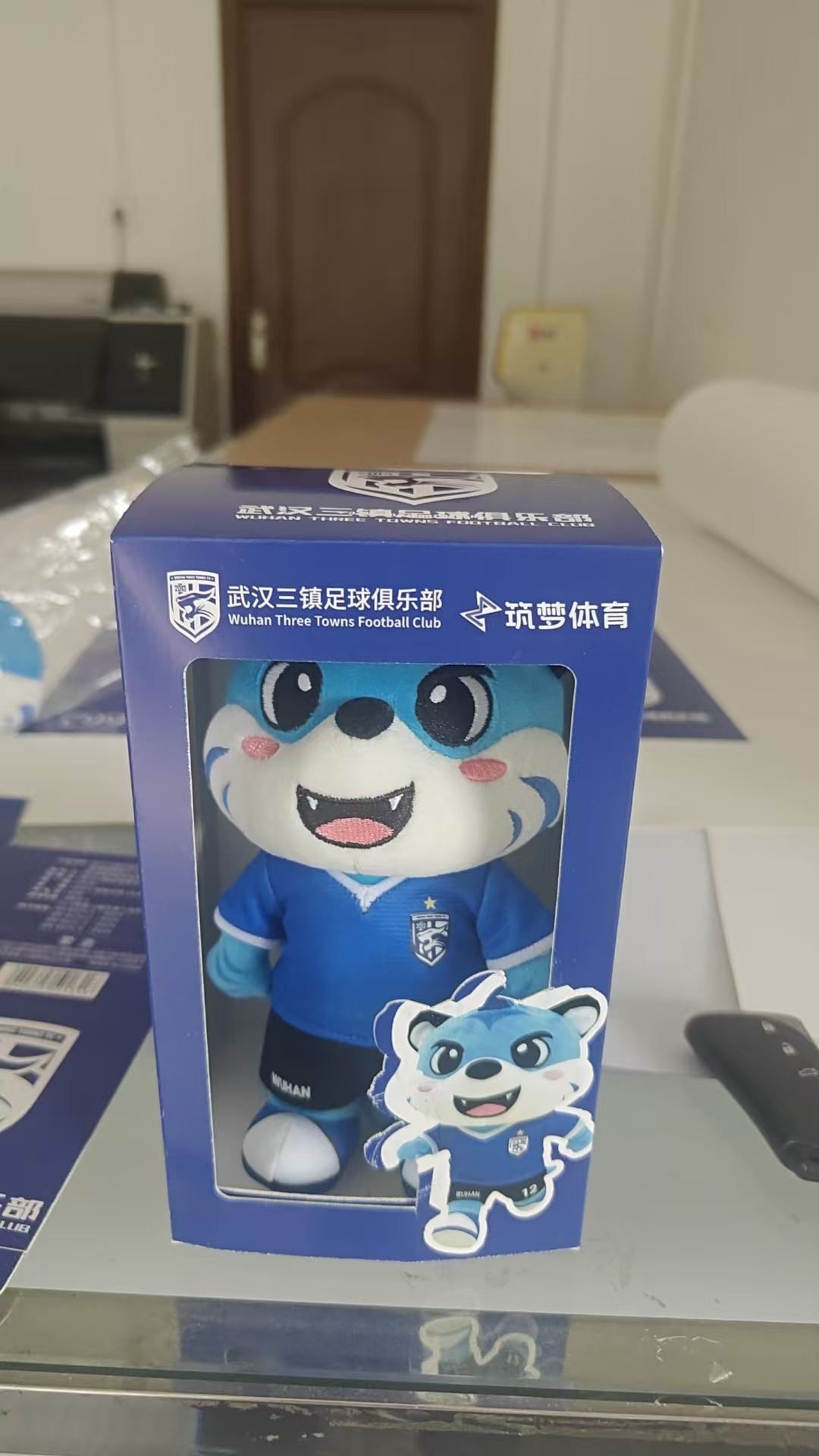
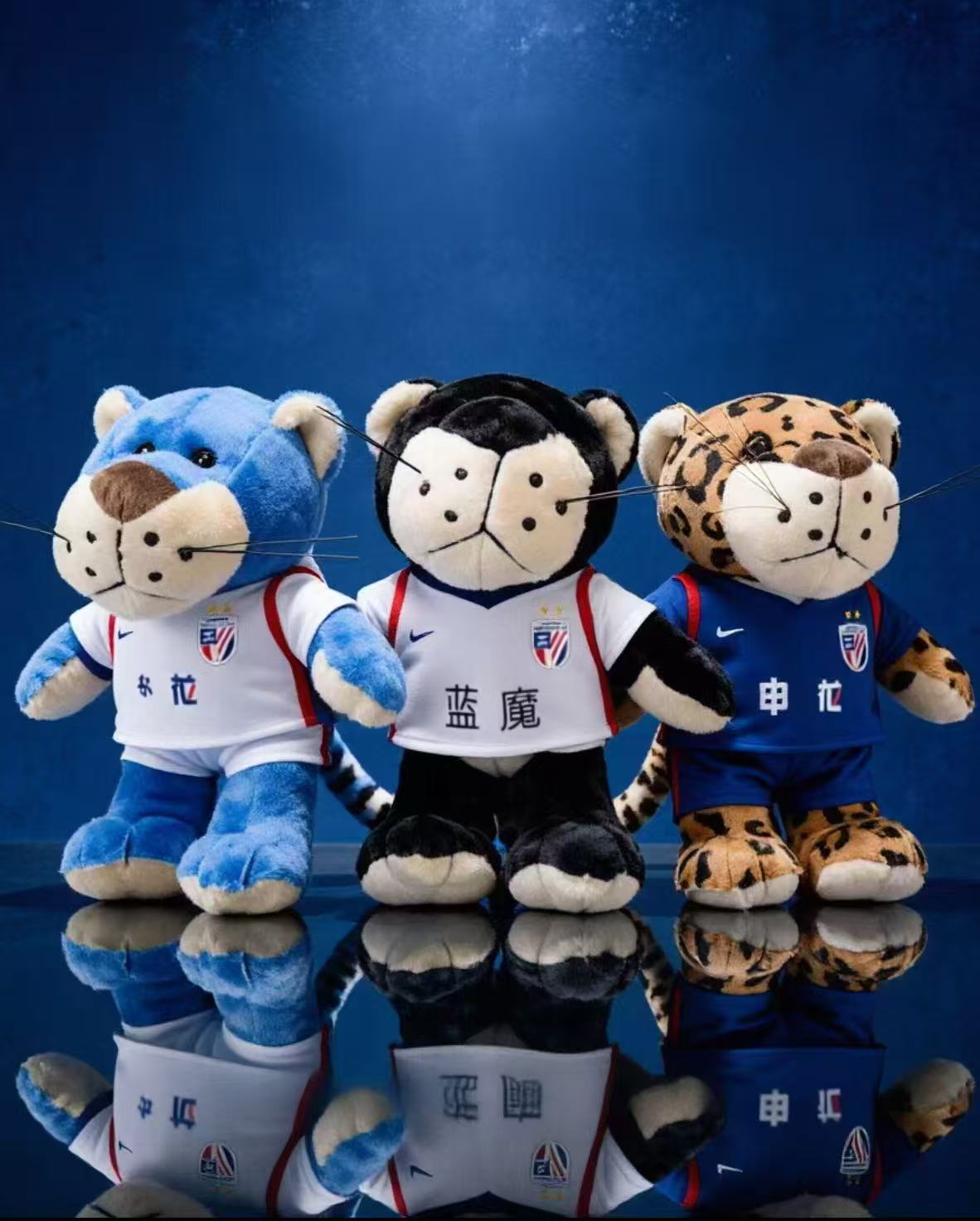
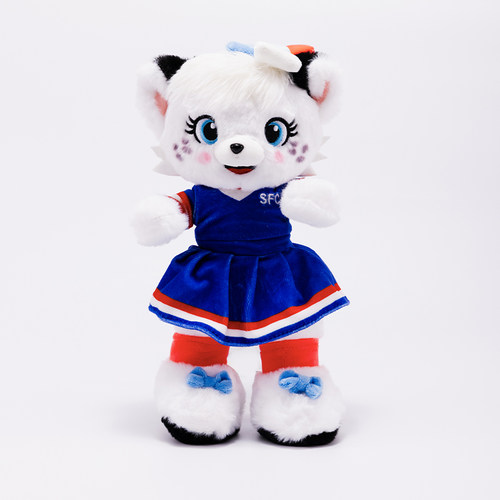
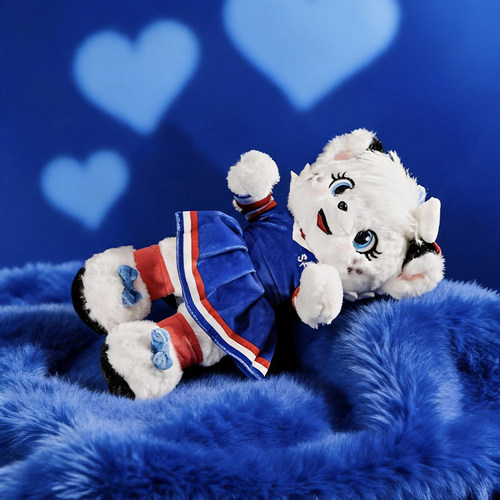
A recognizable mascot needed to work as a soft fan product while retaining uniform and character details.
Main challenge
Balancing a stable plush shape with small costume elements and embroidered identity features.
Decisions that mattered
Simplify shapes that do not translate to fabric, set embroidery scale, separate clothing parts and confirm the silhouette through sampling.
Buyer takeaway
Send front, side and back references where possible. Uniform details and color standards should be identified before the first sample.


Project situation
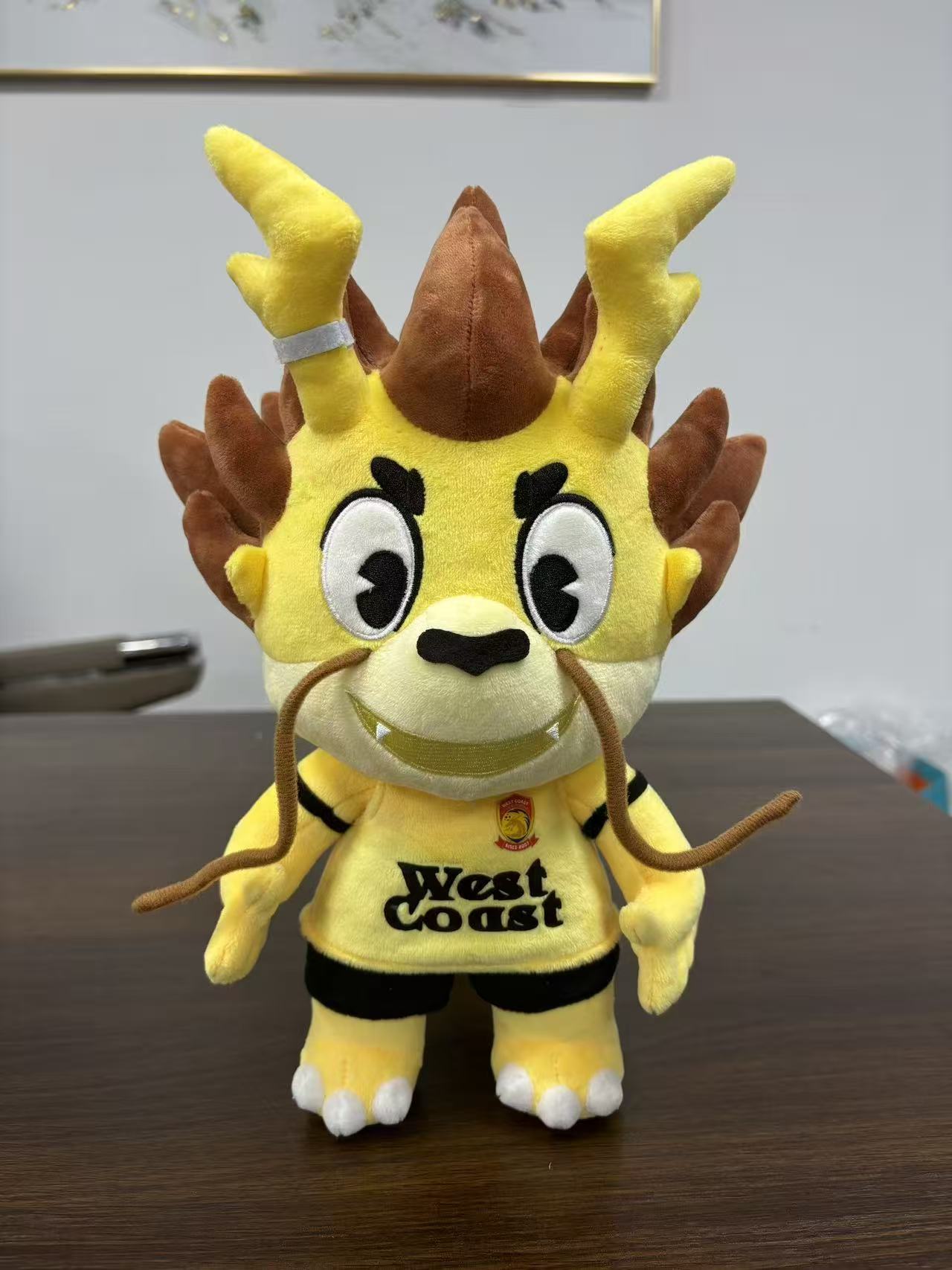
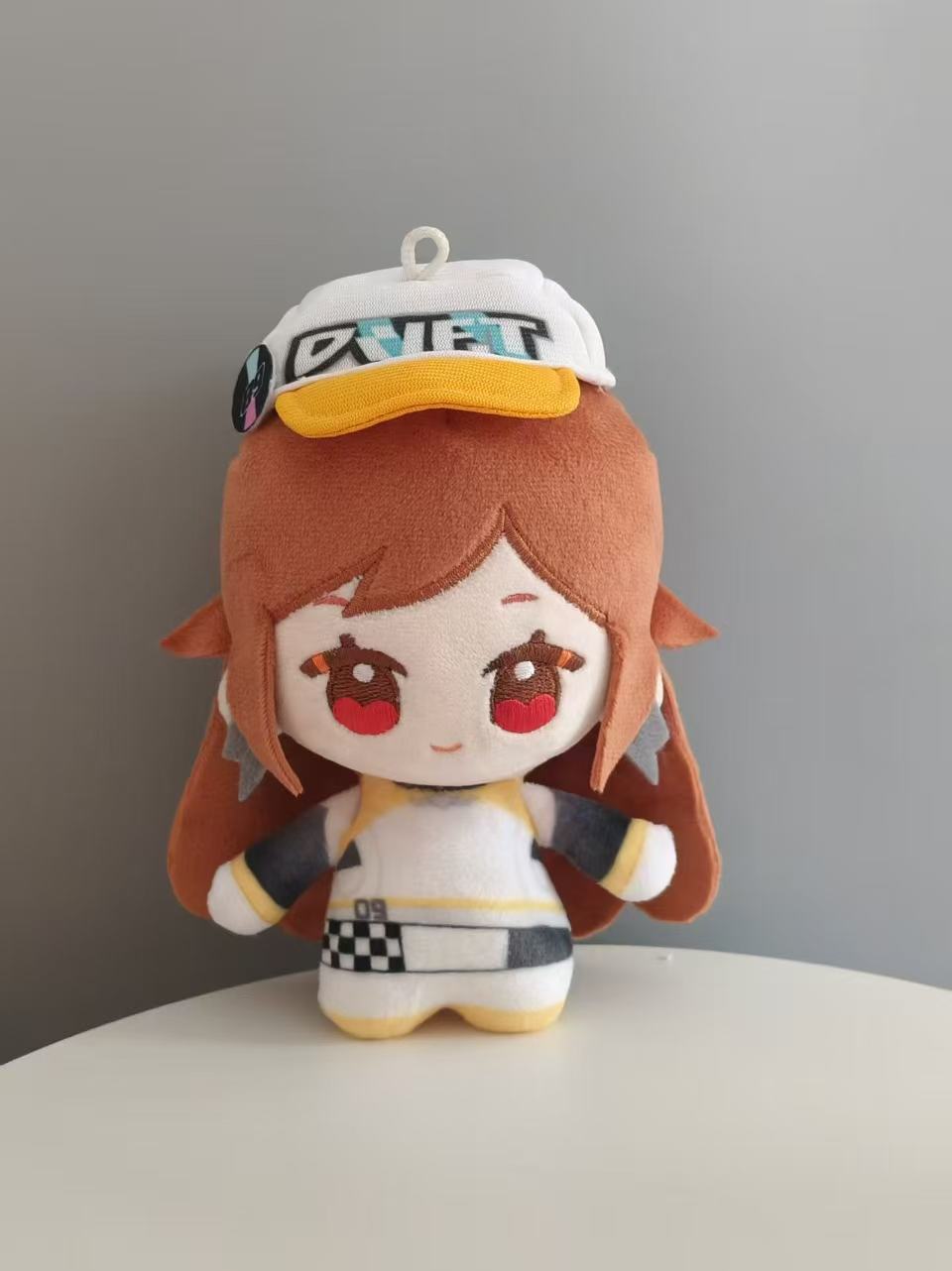
A two-dimensional character needed to become a three-dimensional plush without losing the features that make it recognizable.
Main challenge
Translating flat artwork into patterns, fabric sections, face placement, stuffing and stable proportions.
Decisions that mattered
Identify the non-negotiable character features, test fabric and embroidery, then revise the sample around shape rather than isolated measurements only.
Buyer takeaway
Expect controlled adjustments between artwork and physical form. Approve the overall character impression as well as individual details.


Project situation
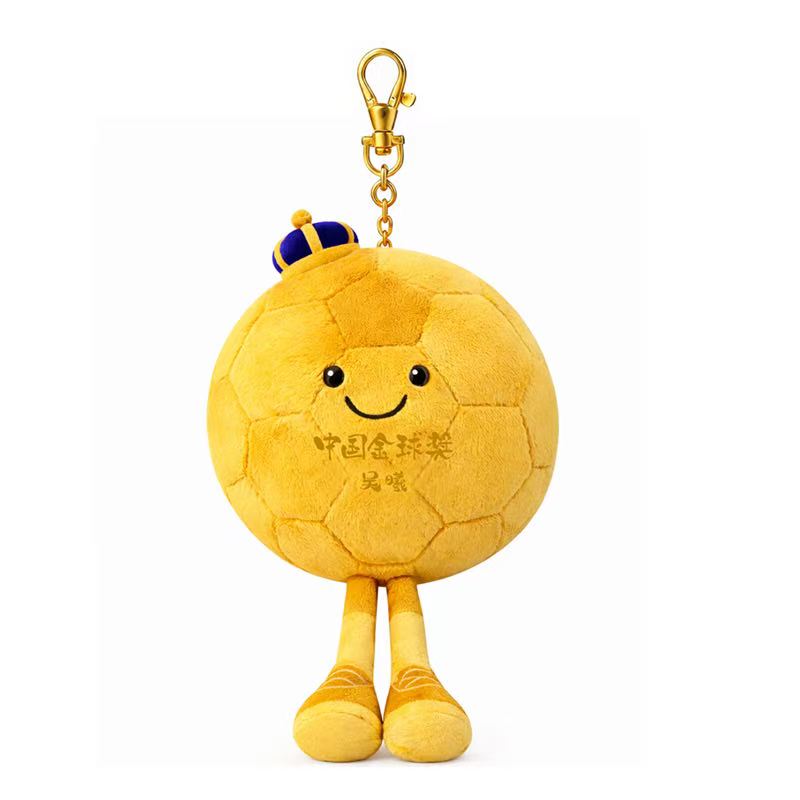
A compact plush format was needed for events, fan merchandise or collection add-ons.
Main challenge
Small scale reduces the space available for facial detail, clothing construction, labels and attachment hardware.
Decisions that mattered
Simplify details, test embroidery legibility, choose the attachment early and check how the product hangs after the hardware is installed.
Buyer takeaway
Do not shrink a large plush specification without review. A keychain normally needs its own pattern and detail plan.


Project situation
Several character or campaign designs needed to read as one coordinated collectible range.
Main challenge
Keeping color, crop, size, finish, hardware and backing presentation consistent across multiple designs.
Decisions that mattered
Confirm print or enamel method, artwork boundary, finish, attachment, backing card and set packing before running the collection.
Buyer takeaway
Prepare all designs together when consistency matters. Late artwork additions can create visible differences between batches.


These images support conversations about artwork preparation, cut lines, print finish, hardware and packing. They are product evidence, not named customer endorsements.


Retail, event giveaway, fan collectible and gift-box projects need different price, durability and packaging decisions.
The approved sample and written specification should become the basis for production and quality control.
One organized revision list is more reliable than comments spread across separate messages and screenshots.
Backing cards, labels, inserts, boxes and shipping protection affect product size, cost and delivery timing.
Character consistency across plush, acrylic, badges and collection packaging.
Mascot recognition, uniform details and product choices for different fan budgets.
Controlled first collections, repeatable specifications and coordinated presentation.
Deadline-led product selection, packing and distribution planning.
No. They are anonymized project and product examples. Customer identity and commercial information are not published without permission.
The case and evidence sections use product material already organized as real-product assets. Concept images are not presented as customer proof.
Additional information can only be shared when it is not confidential and when the material is appropriate for buyer review.
Not automatically. The examples show decision patterns; your artwork, size, material, quantity, packaging and destination need a separate review.
These formats are within the broader project scope, but public case evidence is added only when original photos and publishable project information are organized.
Send artwork, intended use, product formats, quantity range, target size or price level, packaging needs, destination and required date.
Tell us who the product is for, how it will be sold or distributed, which formats you are considering, and when it is needed. We will identify the project decisions that should come first.