1. Build the project total before judging the unit price
Start with a clear cost structure: project total = agreed development and sample charges + production for each SKU + packaging and assembly + agreed logistics and applicable destination charges. Include each charge once. If a quoted product price already includes a tag or a box, do not add it again. If freight or destination charges are excluded, the quotation is not yet your complete receiving budget.
We recommend marking every line as included, separately priced or still open. This helps a commercial team distinguish an actual saving from a missing service. Record the quoted currency and whether the price assumes a particular quantity or specification. For a mixed range, calculate each product line before adding the collection total; averaging plush, pins and packaging into one notional unit conceals the decisions that change spending.
Our quotation preparation guide helps define those boundaries. The objective here is to understand the financial commitment before choosing an offer.
2. Identify which design choices actually change the price
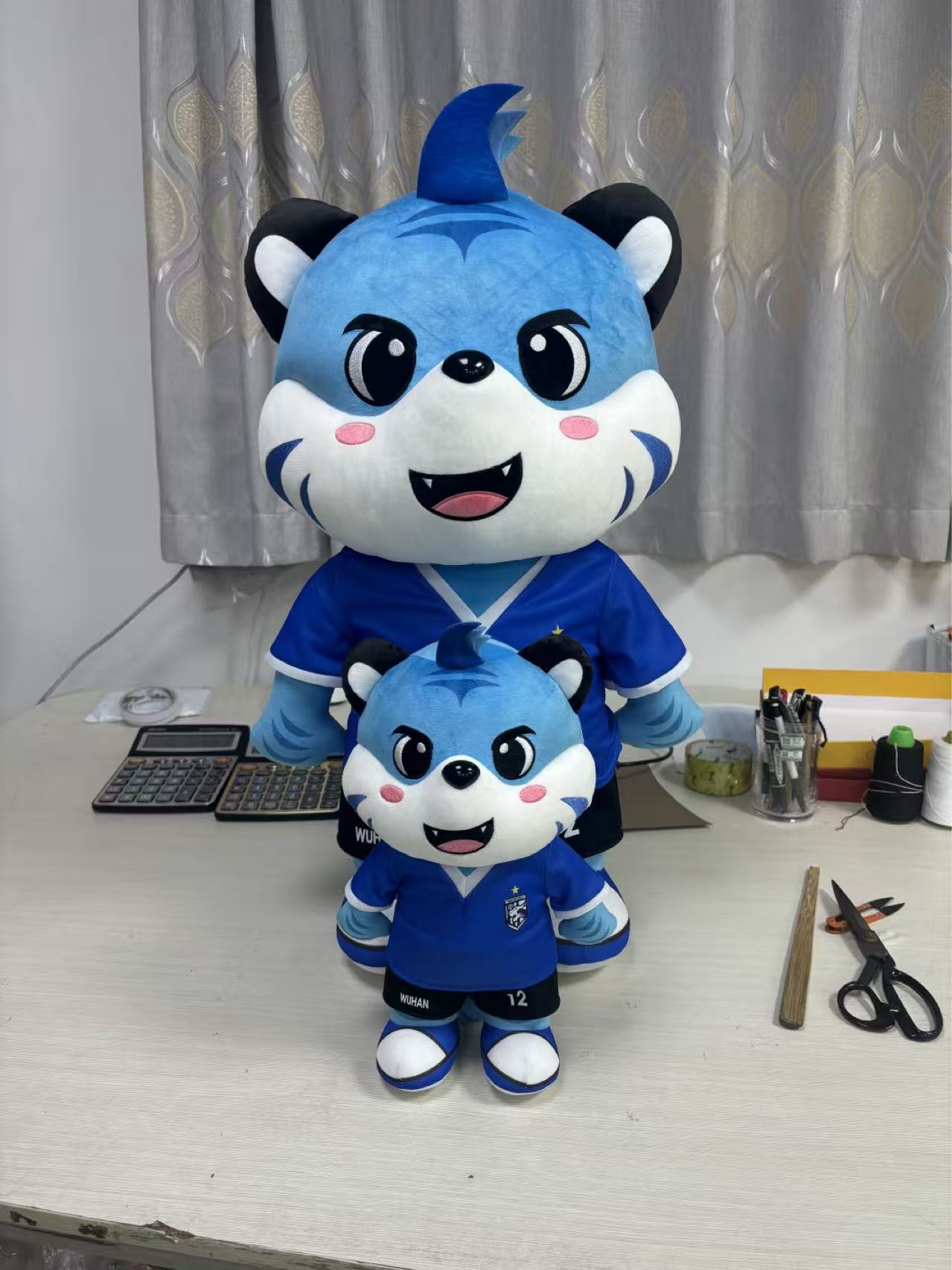
Size matters, but it is not the only driver. A simple larger shape and a smaller shape with many separately constructed parts can require different work. For a mascot plush, compare the body construction, fabric choices, clothing, embroidery and attachments. For printed or metal products, compare the relevant print, finishing, hardware and packaging requirements. A shared club identity does not make different processes cost the same.
Ask for the price effect of specific alternatives rather than asking vaguely for a cheaper product. Could a detail move from a separate garment to an approved decoration? Could two pack versions share a structure? Could an optional accessory wait? Each option must preserve the features and use that matter to the club.
We compare alternatives against the same baseline. If both the size and construction change, label that as a different specification, not a discount on an identical item. The product formats page can help separate those choices.
3. Separate development spending from repeat production
A first order may include work that is different from making approved units: adapting artwork, developing a physical sample, preparing process-specific files or arranging a packaging sample. Ask which tasks are included in the sample charge and which are quoted separately. If a tooling or setup charge applies, clarify what it covers, how future use is handled and what happens if the design changes.
Do not assume a sample fee is refundable or automatically credited against production. A credit, if offered, should state its conditions in the quotation. The same applies to revisions: correcting a departure from the agreed brief and requesting a different size or design are not necessarily the same scope.
For budgeting, keep this development expenditure visible even when it is spread across the expected order quantity. A lower apparent unit cost does not erase the initial cash commitment. Review sample fees and approvals before authorising the next stage.
4. Compare the order commitment with the stock you expect to use
A higher quantity may change the quoted unit price, but it also increases the amount of stock the club must fund and manage. We recommend comparing the complete order commitment and the intended use of the stock, not selecting the largest quantity solely for a lower unit figure. Show quantities by design, size and kit version, including packaging components that have their own purchasing conditions.
A useful planning calculation is cost per planned saleable or distributable unit = the costs allocated to that product ÷ the units planned for that purpose. Keep shop stock, gifts and samples distinct. Shared development and freight need a stated allocation method; otherwise one product can appear artificially inexpensive. This is a planning calculation, not a promise that every retail unit will sell.
If you are testing demand, compare a focused first configuration with the wider range through our small-order review. The lower-risk first commitment may not have the lowest unit price.
5. Compare two offers on the same included scope
Before choosing between quotations, line up the specification, quantity per SKU, development work, sample revisions, labels, individual packaging, set assembly and receiving point. Ask which costs remain provisional and what event could change them. A quotation that excludes a required retail box or stops at a different delivery point is not directly comparable with an offer that includes those items.
- Check whether each offer uses the same approved product assumptions.
- Separate charges paid once from charges applied to every unit.
- Identify optional items and exclusions clearly.
- Confirm the payment stages and the validity of the offered terms.
- Keep unresolved freight or destination costs visible in the budget.
The public Wuhan Three Towns project shows different mascot formats and retail packaging within the documented design, development and production scope. Those images illustrate different specifications; they do not establish a price, a saving or a quantity for your order.
6. Reduce spending by choosing what can change
When the total exceeds the available budget, start with the club's priorities. Protect recognisable mascot features, the intended fan use and any required product information. Then compare a narrower first range, fewer versions, a simpler approved pack or removal of an optional component. Do not cut an essential feature simply because it is easy to remove from the quotation.
We recommend pricing the selected alternative as a complete option, including any new sample or artwork work. A change can reduce production spending while adding development work; the club needs the net effect. If the receiving date is fixed, discuss whether changing the range is preferable to relying on a more expensive transport plan.
Send the product idea, available artwork, quantity by design, packaging direction and receiving point through the project enquiry. If you have a spending ceiling, say which parts of the project it must cover so we can compare useful options.
Questions before you order
Can you give a standard price per mascot plush?
A standard figure would hide differences in construction, size, artwork, quantity and packaging. We can review a defined product and show the price basis, including which items are included and which still need confirmation.
Is the sample fee deducted from the bulk order?
Only if that is stated in the agreed offer. Ask about the eligible order, timing and scope of any credit before paying; do not build an assumed refund into your budget.
Will combining different designs reduce the price?
A combined order can be reviewed, but each design may still need separate development, materials and packaging. Compare the actual per-SKU quotation rather than assuming that the collection total qualifies every item for the same rate.
Is simpler packaging always cheaper overall?
It can reduce a packaging component while changing assembly, protection or shipping volume. Compare the complete packed option and the receiving requirements, not only the price of the empty box.
Can we estimate costs before the artwork is final?
Yes, an initial estimate can use clearly stated assumptions. It should identify what remains open and what must be reviewed again when the design, sample or packing is confirmed.
Does a low unit price mean the best first order?
Not necessarily. Compare the total commitment, stock exposure and included scope. A focused trial can require less initial spending even when its unit price is higher than a larger order's quotation.