
Character views
Front, side and back references reduce guesswork around head depth, body volume, tails, hair, clothing and accessories.
A plush toy is not a printed copy of a drawing. The face, body volume, fabric direction, embroidery, clothing and stuffing all change how the character reads. We help buyers turn those decisions into an approved sample and a production specification.
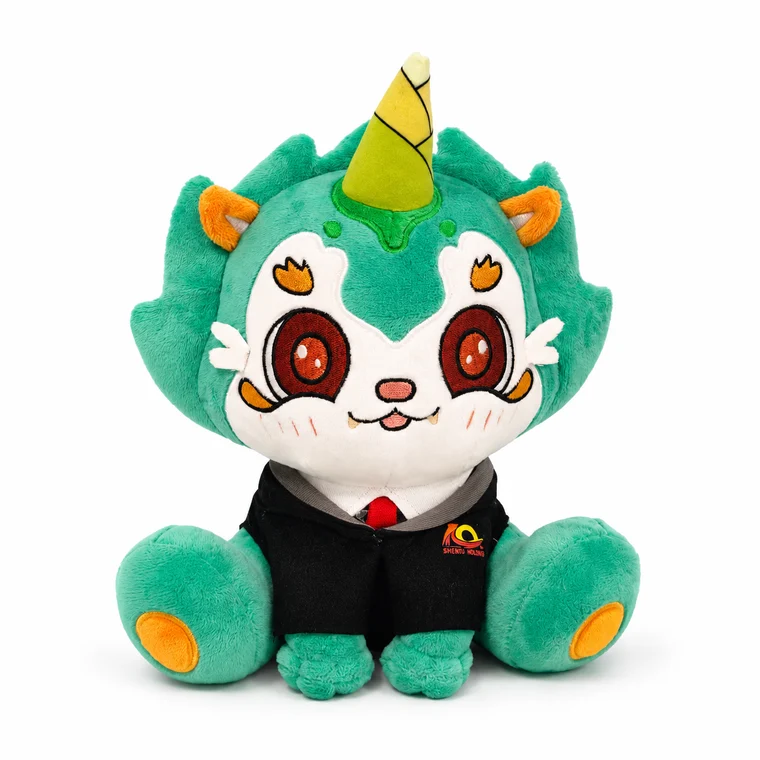
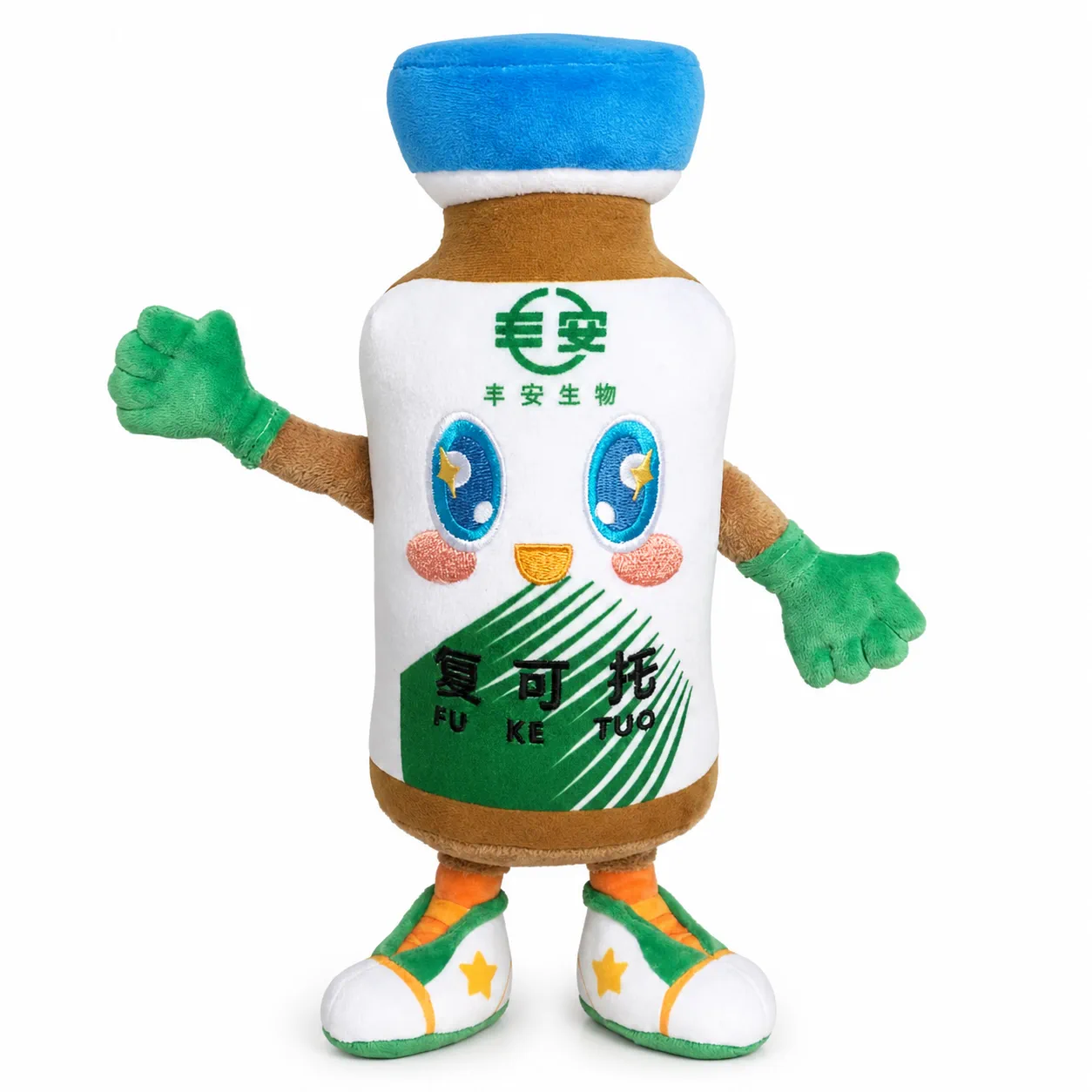
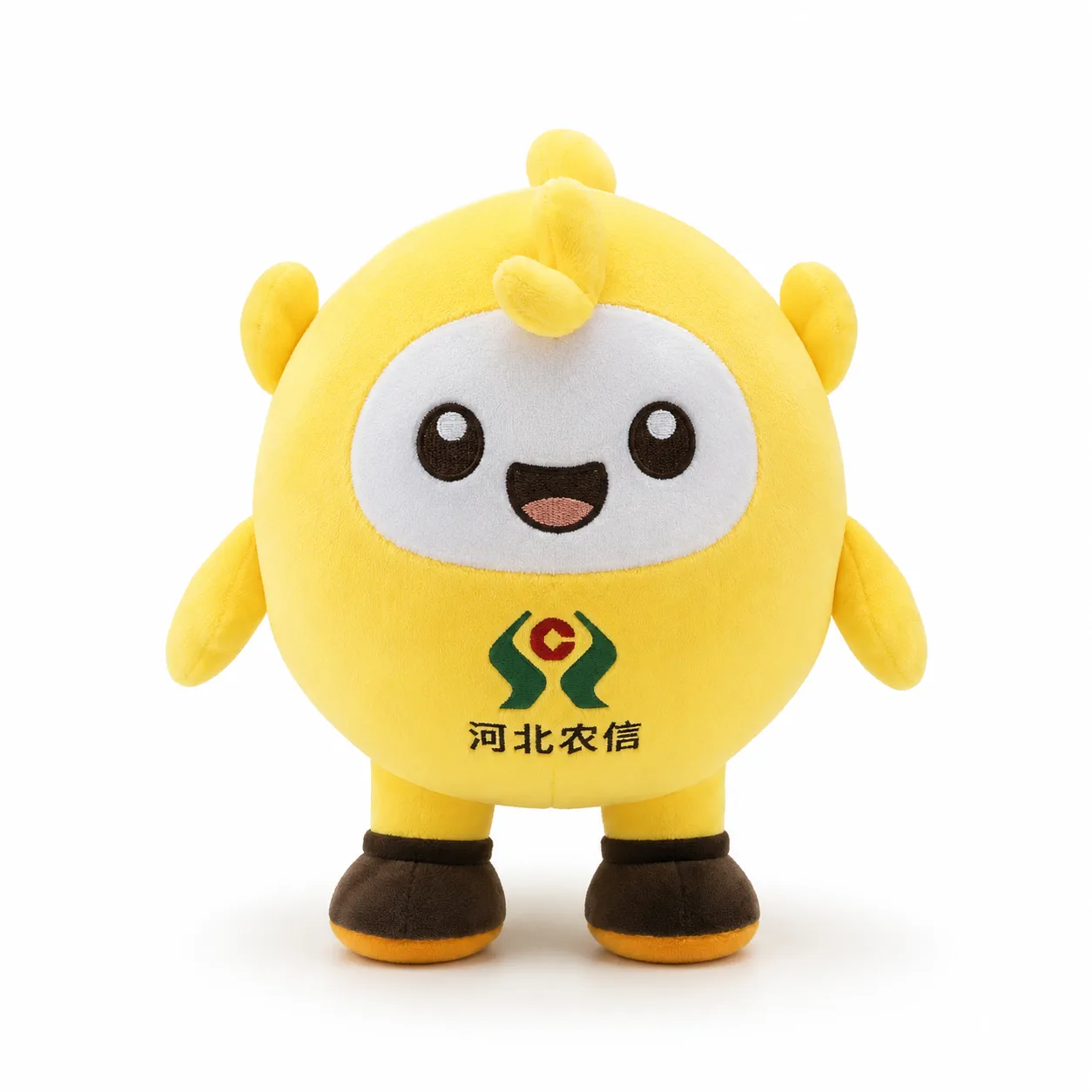
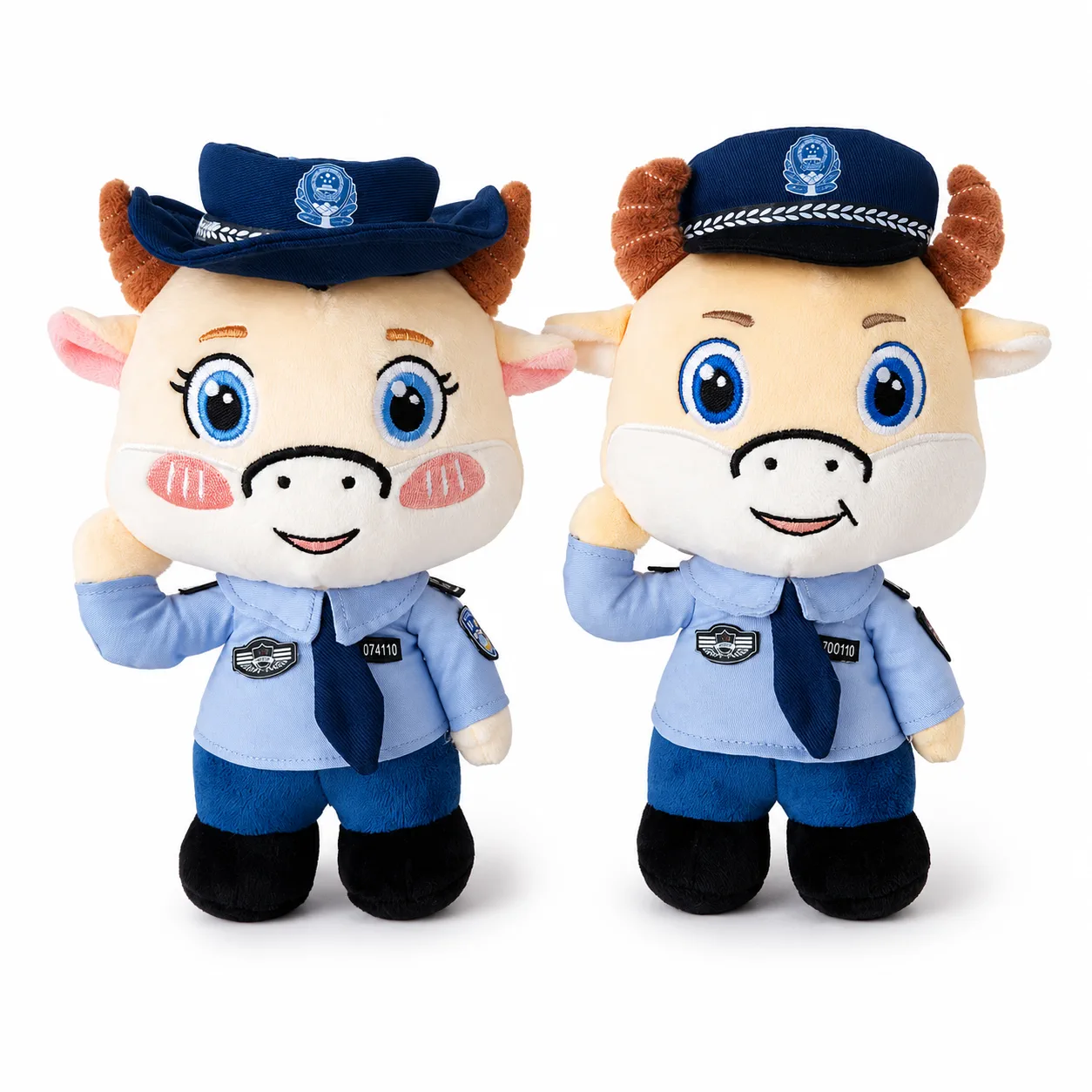
We first identify the character features that cannot change and the details that may need controlled simplification.
Front, side and back references reduce guesswork around head depth, body volume, tails, hair, clothing and accessories.
A retail collectible, event gift, baby-safe item and display mascot need different construction, labels and test requirements.
Face placement, silhouette, signature colors, costume symbols and key accessories should be ranked before sampling.
We compare the artwork with available fabric behavior, embroidery scale and the intended handling of the product.
Short or long pile changes edge definition, seam visibility, embroidery clarity and how colors appear under light.
Embroidery works well for many facial features, while gradients or tiny artwork may require printing or simplification.
Pattern pieces create the three-dimensional form; stuffing density then affects posture, softness and the final silhouette.
Separate garments, fixed fabric layers, felt pieces and small accessories each change cost, durability and sample time.
The first sample is used to find shape and construction issues. Feedback is grouped so each revision has a clear purpose.
Confirm artwork, views, size, color standards, intended use and required labels.
Check overall likeness, head-to-body balance, face position, fabric behavior and accessory scale.
Consolidate comments with marked photos and priorities instead of sending separate messages.
Keep approved photos, measurements, materials, embroidery files and packing notes as the production reference.
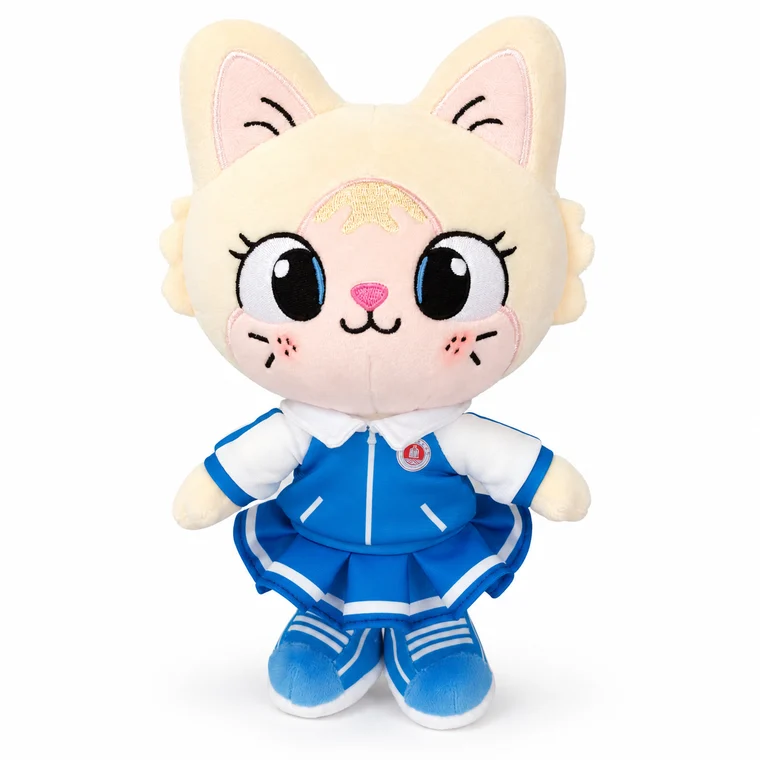
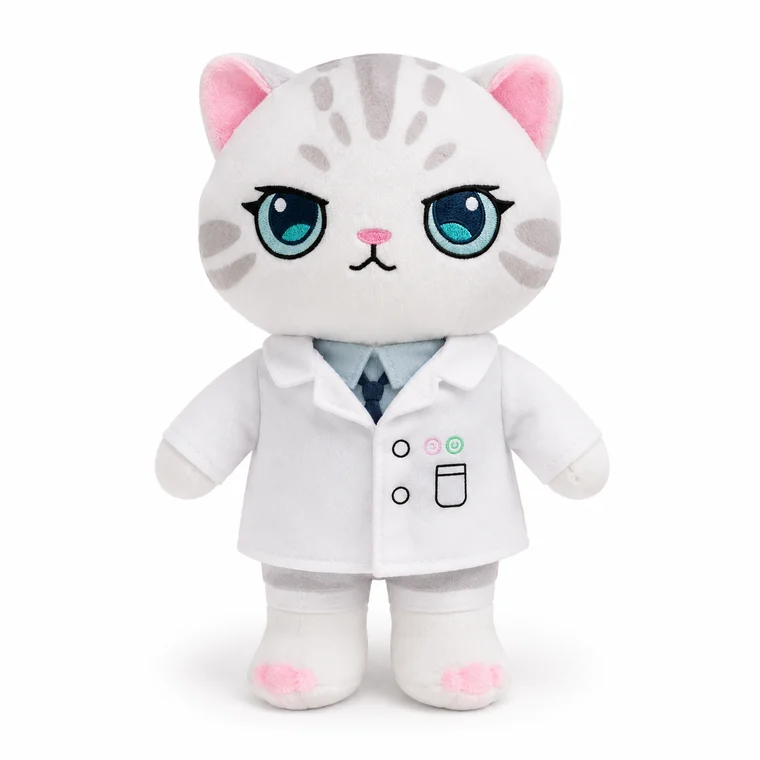
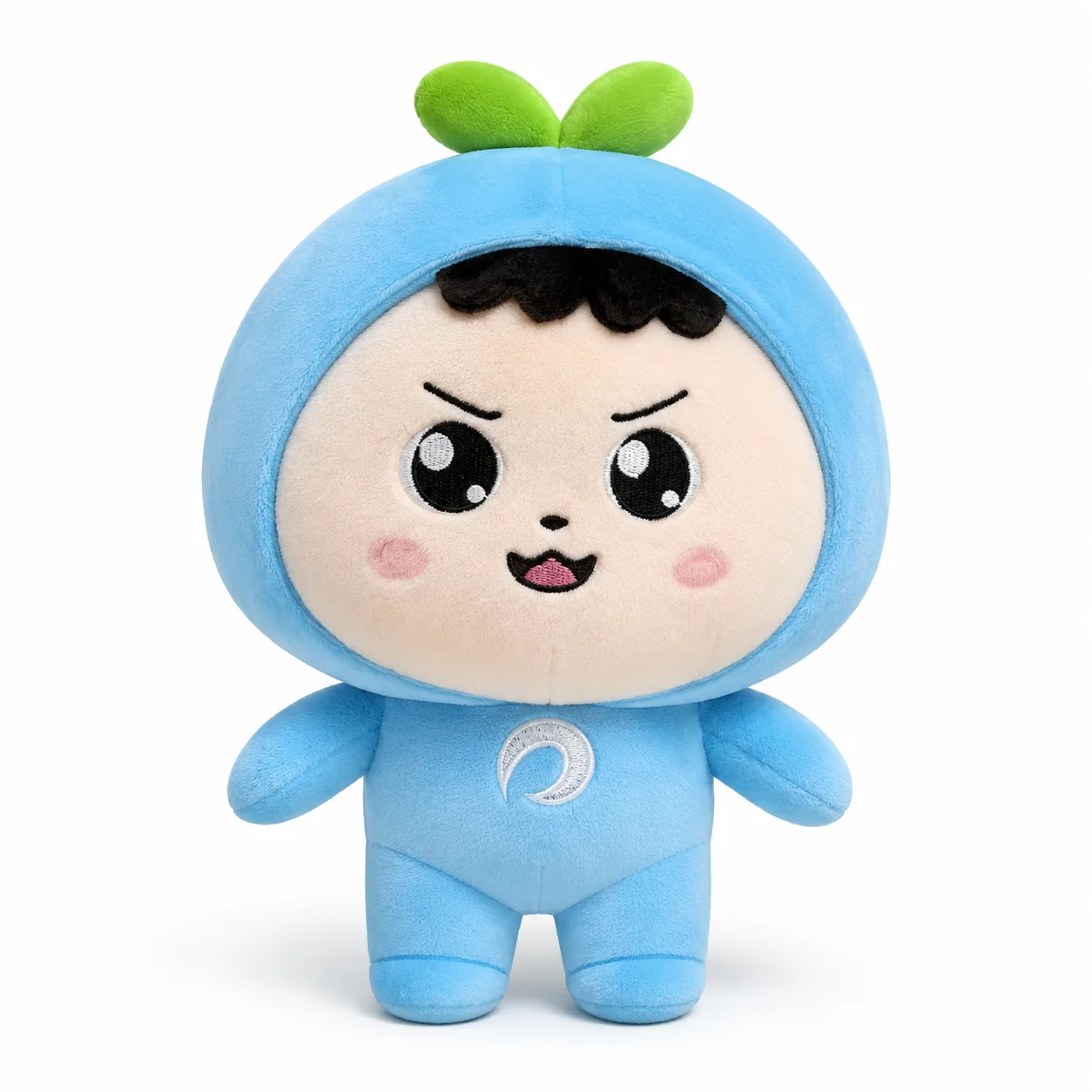
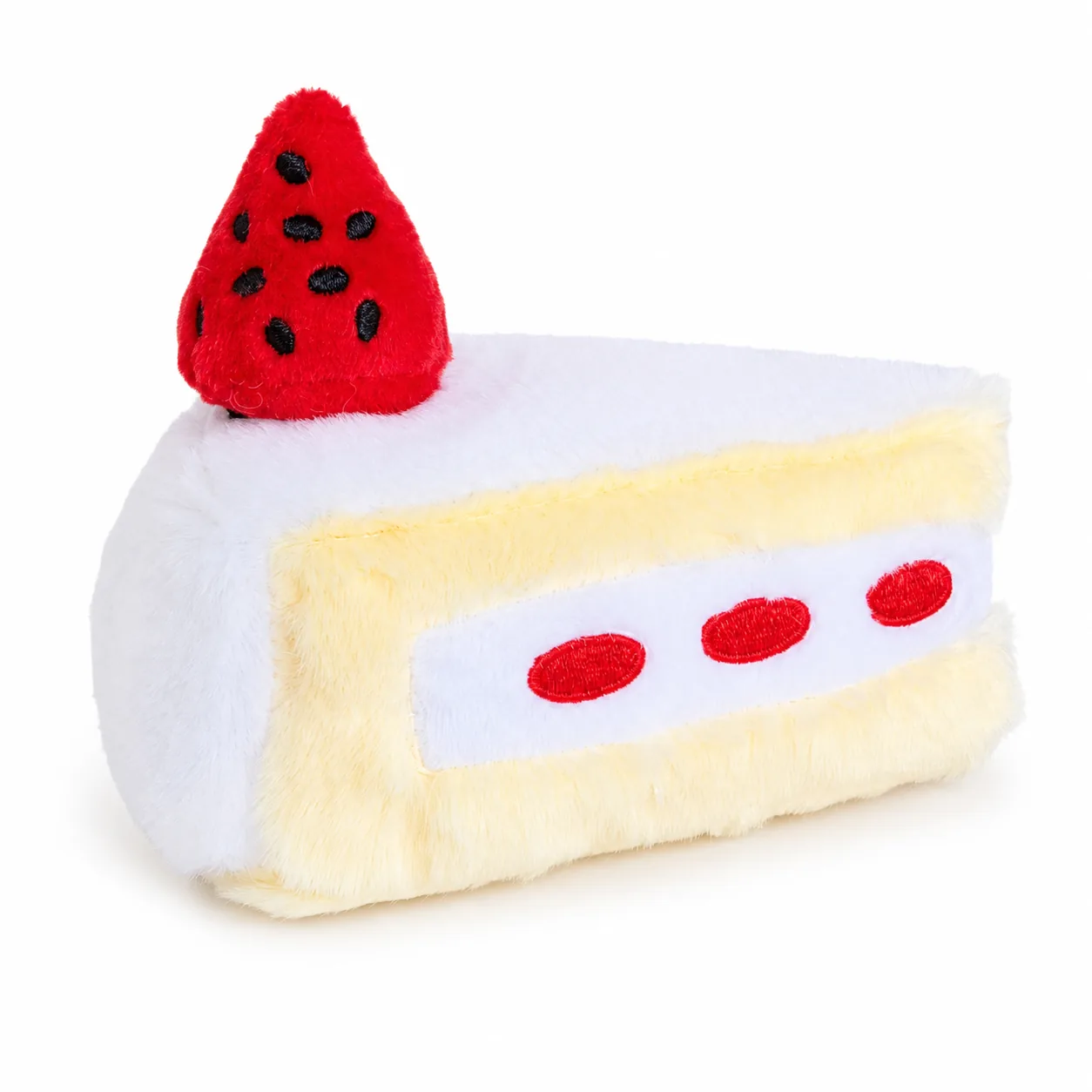
These anonymized real-product images are used to discuss form, embroidery, clothing and production consistency. They are not presented as named customer endorsements.
The practical range depends on the character, materials, size, number of variants, packaging, testing and delivery plan.
Custom-dyed fabric, special accessories, packaging and many color variants may each create separate minimums.
Artwork readiness, pattern complexity, fabric sourcing, embroidery files and the number of revision rounds.
Size, pattern pieces, fabric, embroidery area, printed details, clothing, accessories, labels and packing.
Approval speed, production quantity, QC, packing, destination, shipping method and customs risk.
We coordinate supplier checks against approved materials and production files, then separate acceptable soft-product tolerance from real defects.
Confirm fabric type, color direction, embroidery thread, accessories, labels and packaging components.
Review face placement, seams, stuffing, clothing attachment and recurring problems before all pieces are completed.
Check appearance, construction, quantity, metal attachments, labels, unit packing and carton information.
Choose compression only when suitable; protect shape, accessories and presentation according to the receiving channel.
We can start from one drawing, but additional views and written notes reduce assumptions. We will list the missing shape decisions before sampling.
Yes. We explain which details may be too small, too flat or too complex and propose controlled adaptations for approval.
MOQ depends on fabric, accessories, number of variants, packaging and supplier minimums. Send the design and quantity range for a realistic answer.
It varies. A clear artwork pack and consolidated feedback normally reduce revision rounds; complex clothing or unusual shapes may need more.
Pantone references help, but fabric texture and dye lots affect appearance. Physical fabric or thread approval is more reliable when color is critical.
Yes. Tags, bags, backing cards, inserts and boxes can be coordinated after the plush dimensions and packing method are stable.
Include artwork, target size, quantity range, intended use, destination, packaging needs and required arrival date. We will identify the decisions needed for sampling and quoting.
Start with the core custom plush options below, then review sampling, trial-order MOQ, supplier evaluation and OEM planning for the decisions relevant to your project.