
Keep the recognition points
Prioritize face, silhouette, color blocks and one or two signature details that still read at small scale.
A plush keychain is not a large plush toy scaled down. Less space is available for the face, clothing, seams, labels and attachment point. We redesign the structure for the smaller format, then test how the product looks and hangs with the hardware installed.
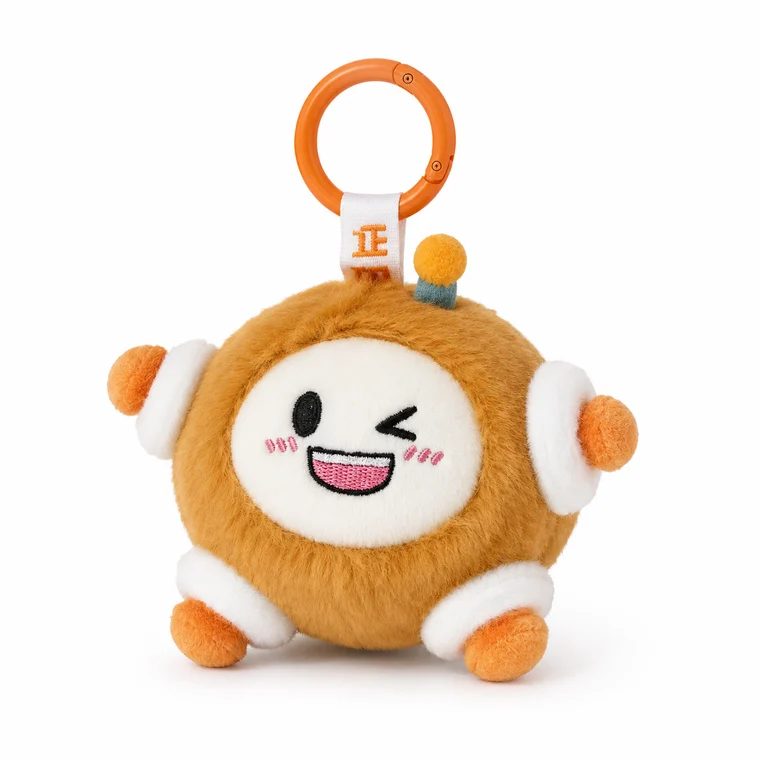
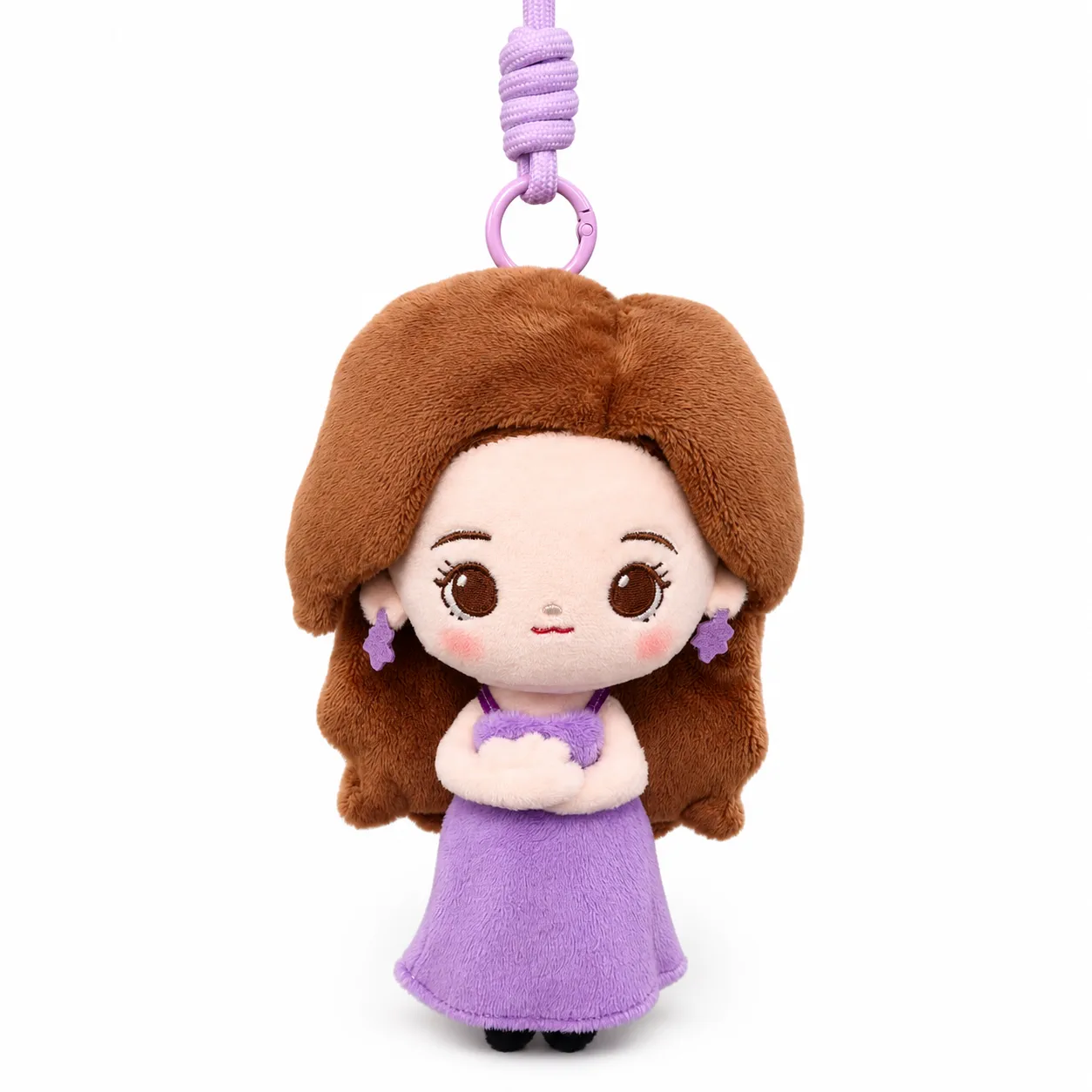
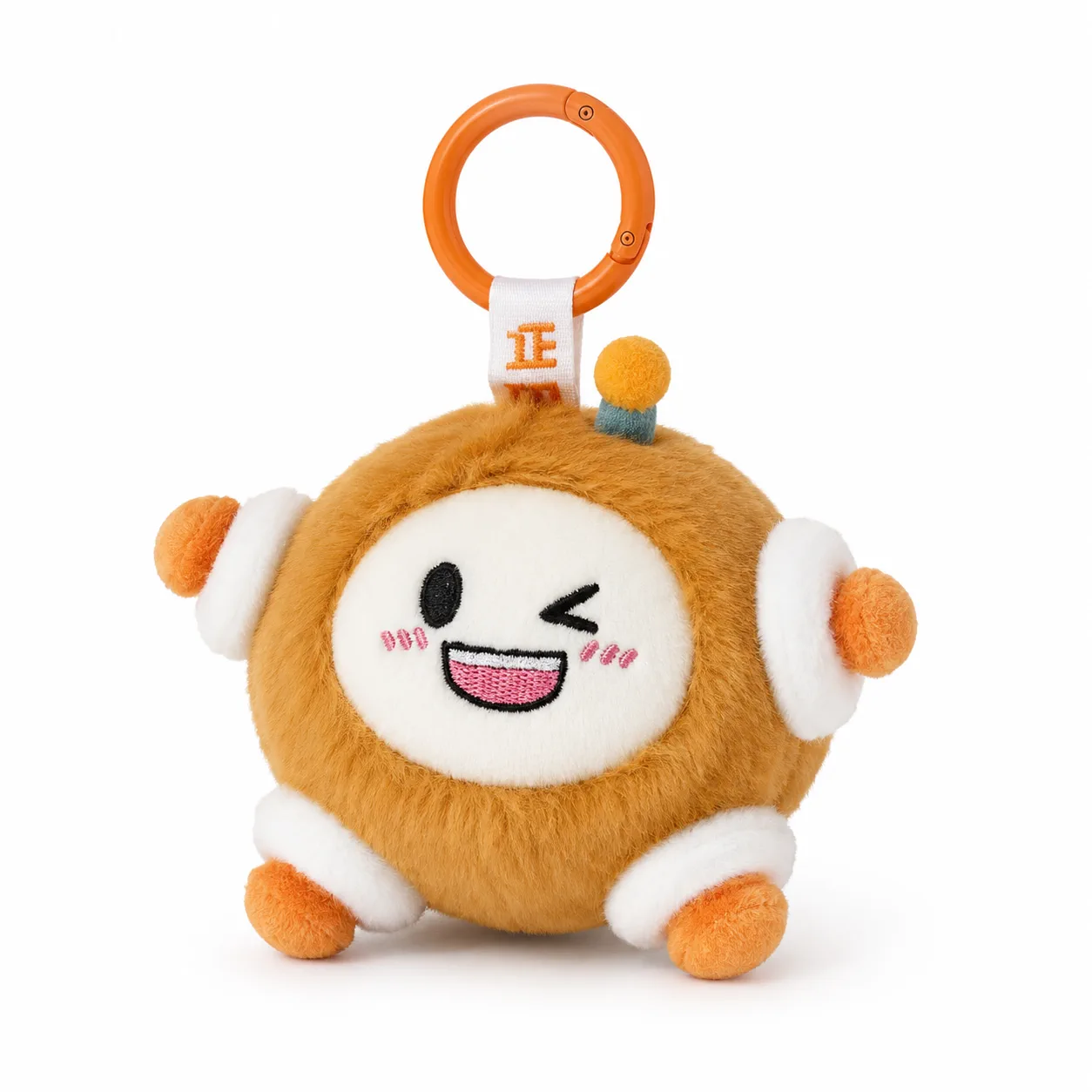
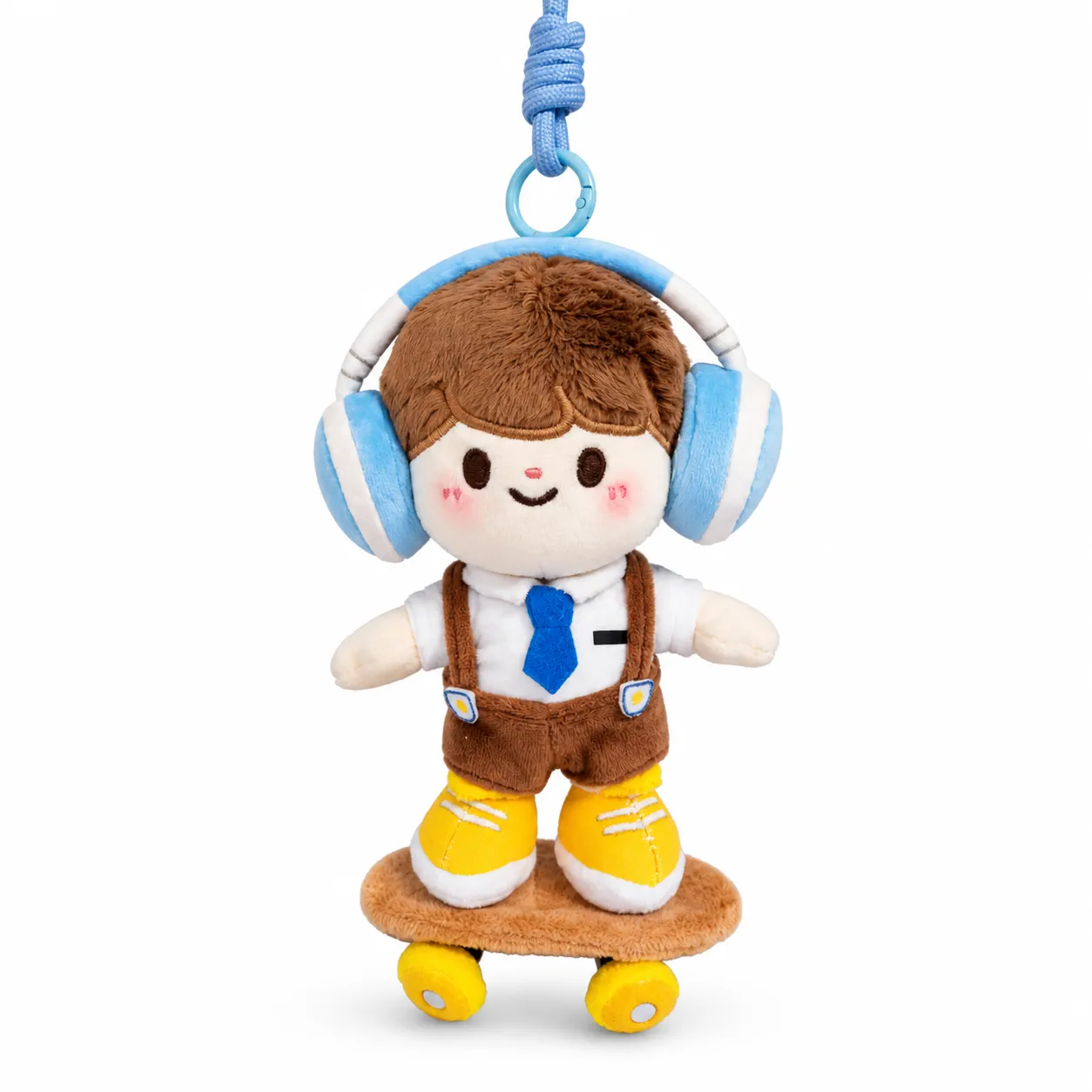
The goal is to preserve recognition without forcing every line from the artwork into a product that is only a few centimetres tall.
Prioritize face, silhouette, color blocks and one or two signature details that still read at small scale.
Tiny fingers, layered clothing, thin props and small printed marks may need merging, embroidery or removal.
The top loop, chain and clasp affect balance. The product should face forward rather than rotate or hang sideways.
The attachment is part of the product structure, not an accessory added after approval.
A keychain normally needs new pattern pieces and proportions instead of a percentage reduction of a larger plush.
Eye, mouth and logo stitches are tested for legibility and clean spacing at the target size.
Ball chain, key ring, lobster clasp or other fitting changes cost, use, pull direction and packing.
Small labels, felt parts and clothing layers need enough seam allowance and safe attachment space.
A front photo is not enough. We check the face, thickness, hardware location and the way the product moves when carried.
Confirm target size, recognition points, attachment preference, label needs and intended sales channel.
Check overall likeness, embroidery, seam bulk, thickness and whether the hardware pulls the shape.
Test orientation, clasp access, attachment security and whether accessories fold or catch.
Save the approved sample, measurements, embroidery, hardware and packing method for production.
These anonymized real-product images are the approved category assets for plush keychains. Acrylic keychains and standees are not mixed into this evidence section.
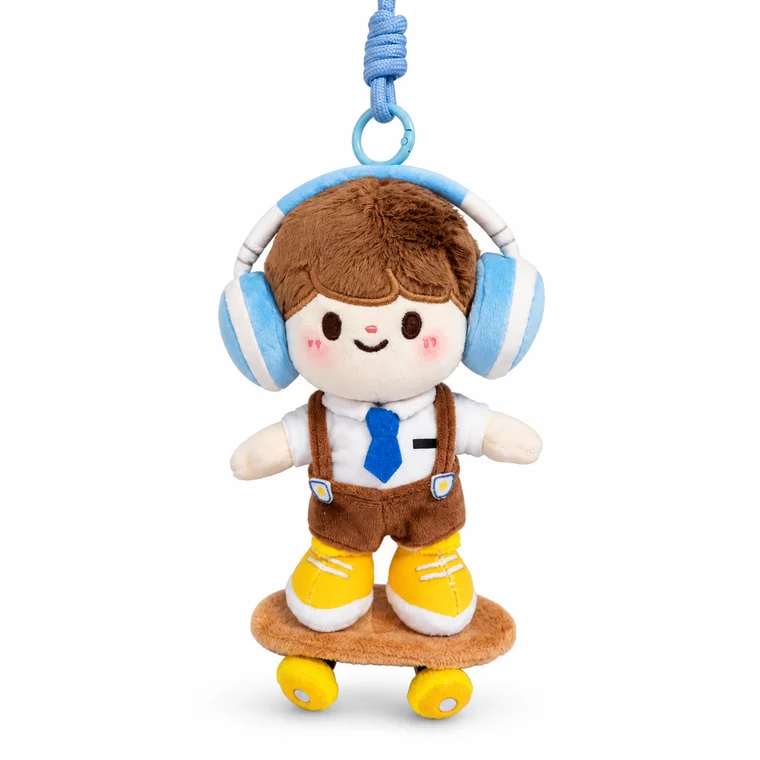
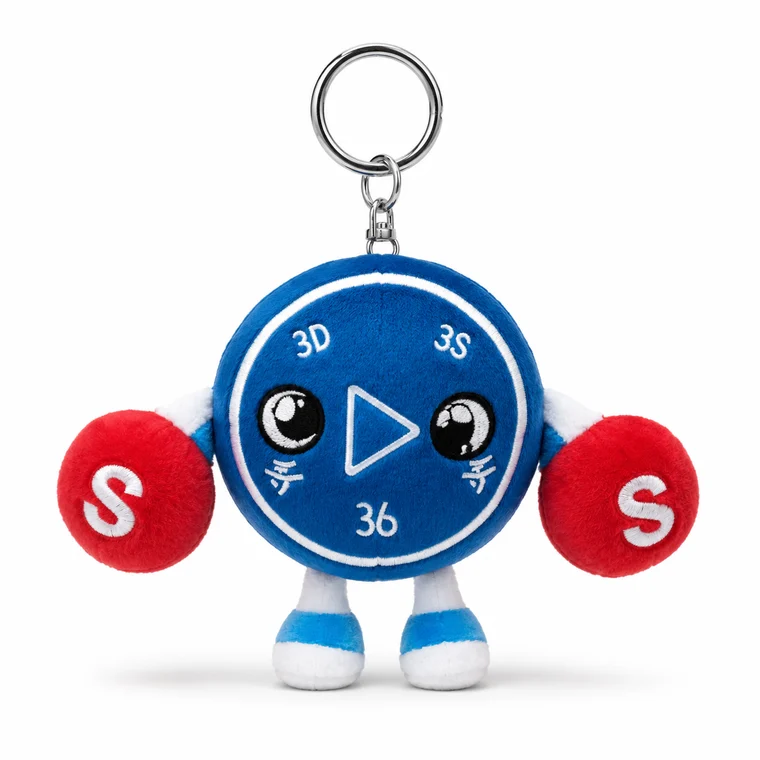
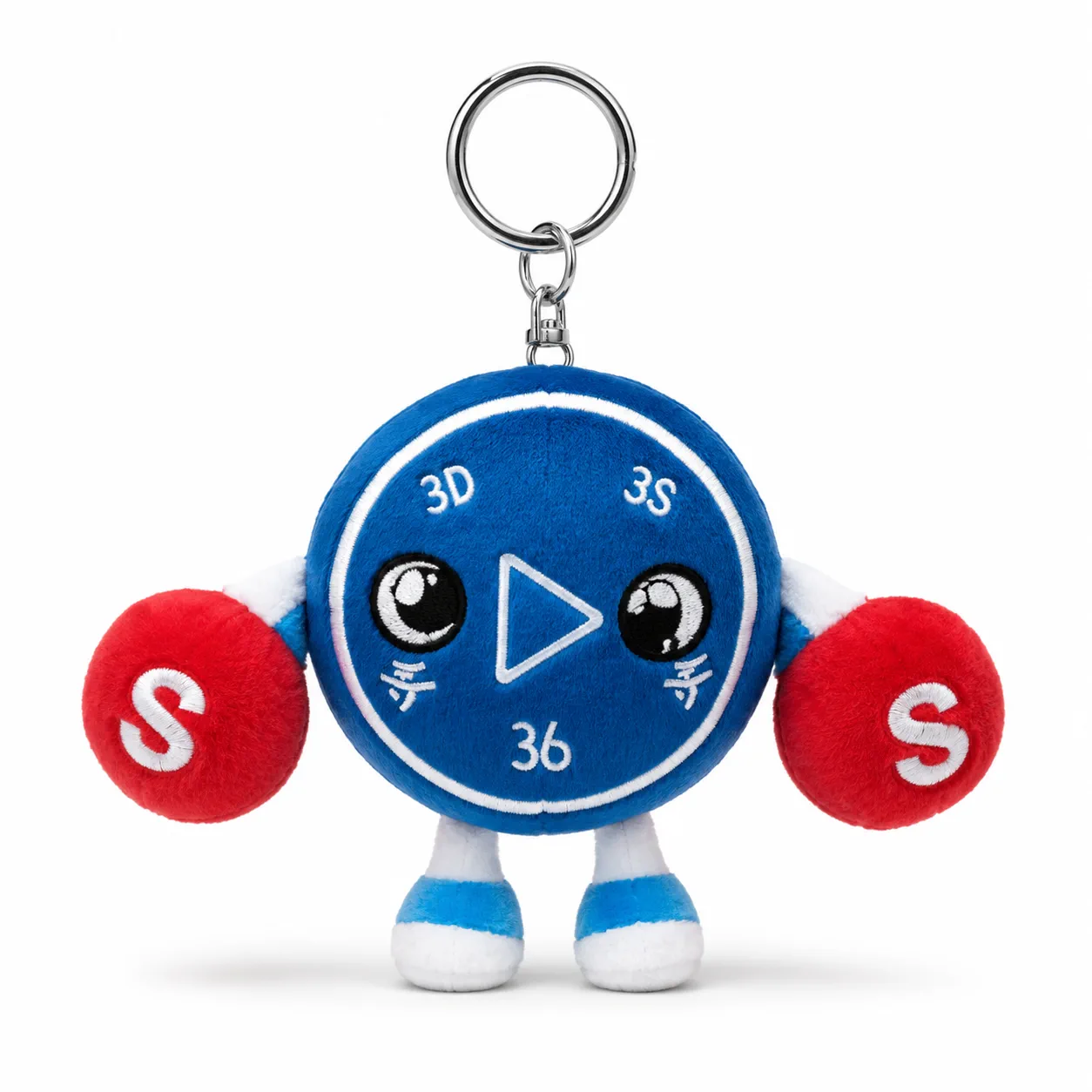
Small products may use less fabric, but the pattern, embroidery, hardware, labels and individual packing still require setup and control.
Number of character variants, fabric colors, special fittings, labels and packaging can create separate minimums.
Pattern complexity, embroidery area, clothing layers, hardware, labels and unit packing often matter more than fabric weight.
Small-scale detail may need embroidery tests and more than one adjustment to keep the character readable.
Approval speed, hardware sourcing, quantity, packing, destination and shipping route affect the final timeline.
A good-looking small plush can still fail in use if the loop is weak, the clasp is difficult to open or the packing bends the accessories.
Check embroidery placement, symmetry, seam bulk, stuffing and overall character impression.
Check loop stitching, metal fitting, orientation and the connection between hardware and the plush body.
Confirm legal or brand labels, SKU separation, quantity and any assortment rules.
Use bags, backing cards or boxes that protect the shape and keep the attachment organized for display or fulfilment.
We can use it as a reference, but the smaller product normally needs a new pattern, simplified details and a different attachment plan.
It depends on the character. Facial detail, clothing, fabric pile and seam allowance set the practical limit, not one universal number.
Choose according to use, target price, appearance and destination requirements. We can compare common rings, chains and clasps.
MOQ depends on variants, materials, hardware, labels, packaging and supplier minimums. Send the design and quantity range for review.
Yes, but each character may need a different pattern and embroidery layout. A shared target size does not mean identical production work.
Yes. Backing cards, bags, barcodes, labels and assortment packing can be coordinated after the sample and hardware are approved.
Tell us the target size, quantity by character, attachment, packaging, destination and required arrival date. We will identify which details can stay and which need adaptation.