
Acrylic charms
Compact decorative pieces for character sets, bags, phones, gifts or collection add-ons.
Acrylic production begins before printing. Cut lines, bleed, transparent areas, white ink, front-and-back orientation, hole position and base fit all change the finished product. We help buyers turn the artwork into a clear proof, sample and repeatable production file.
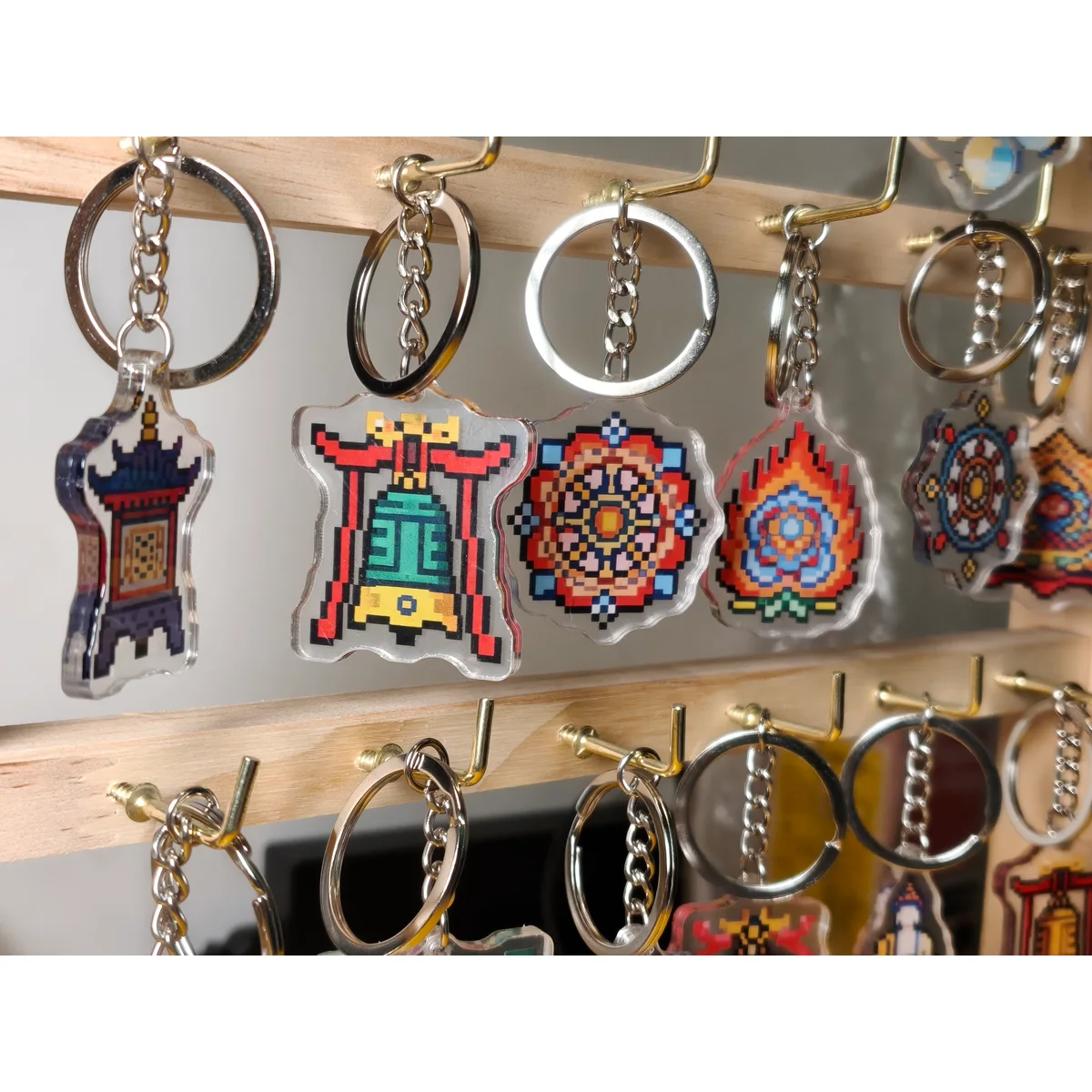
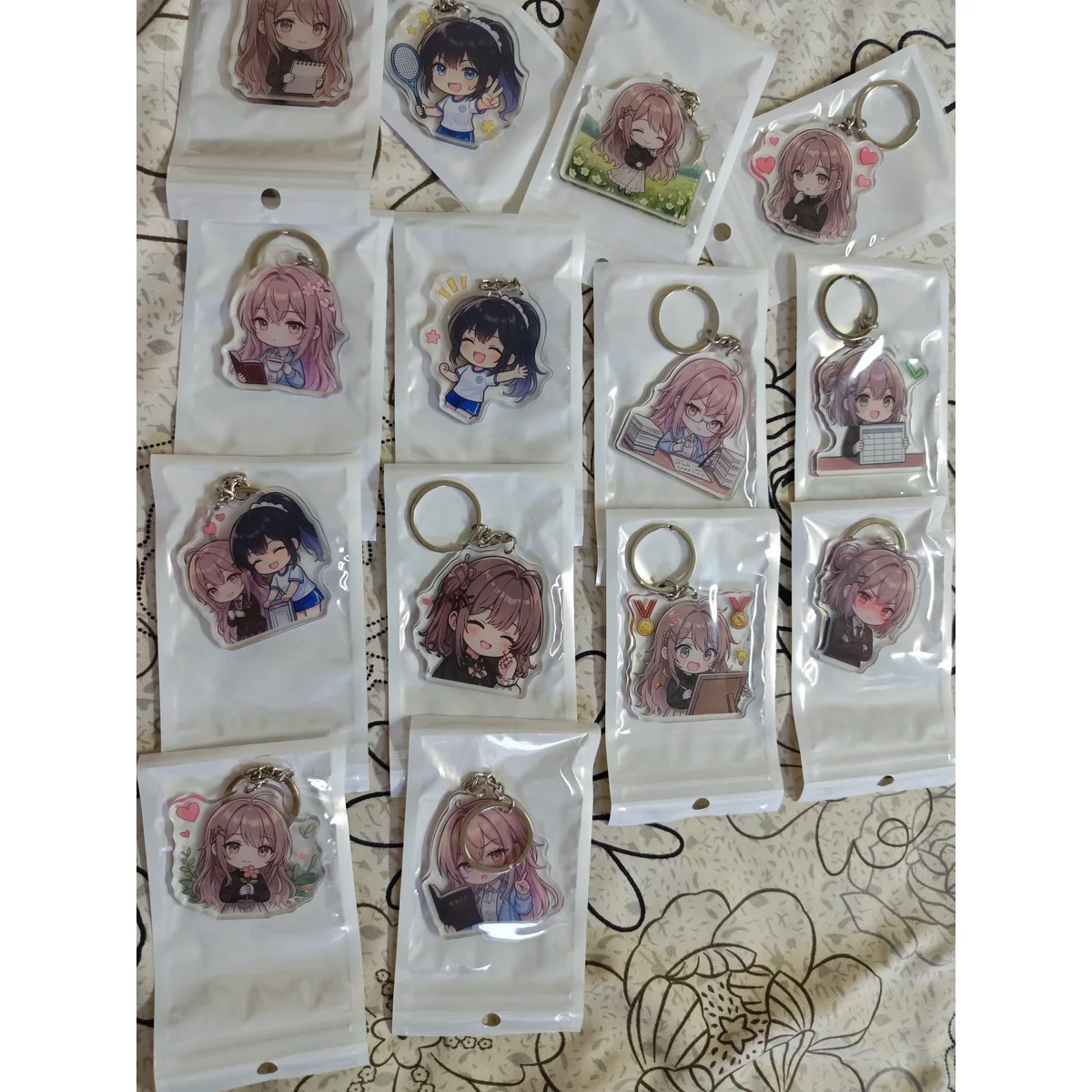
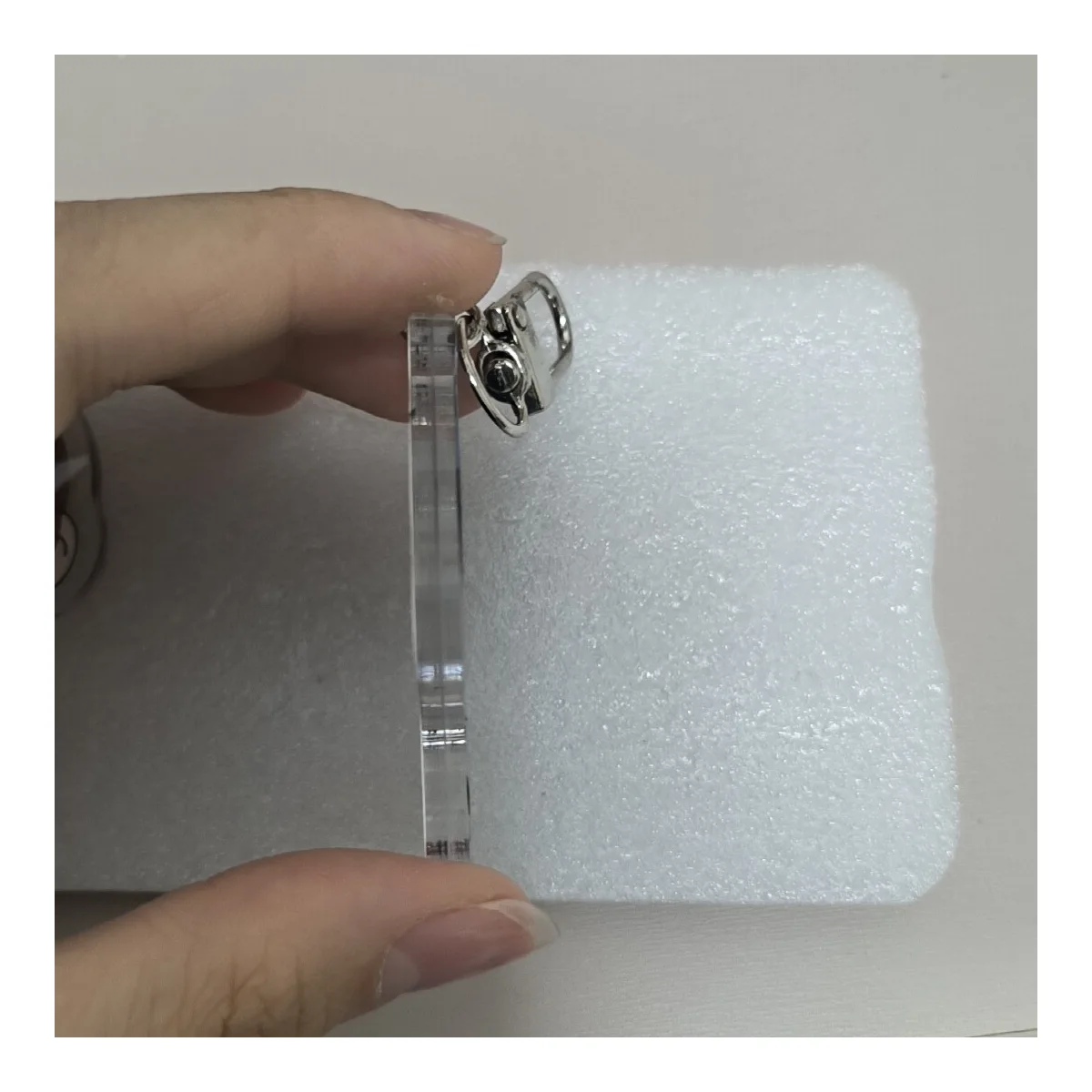
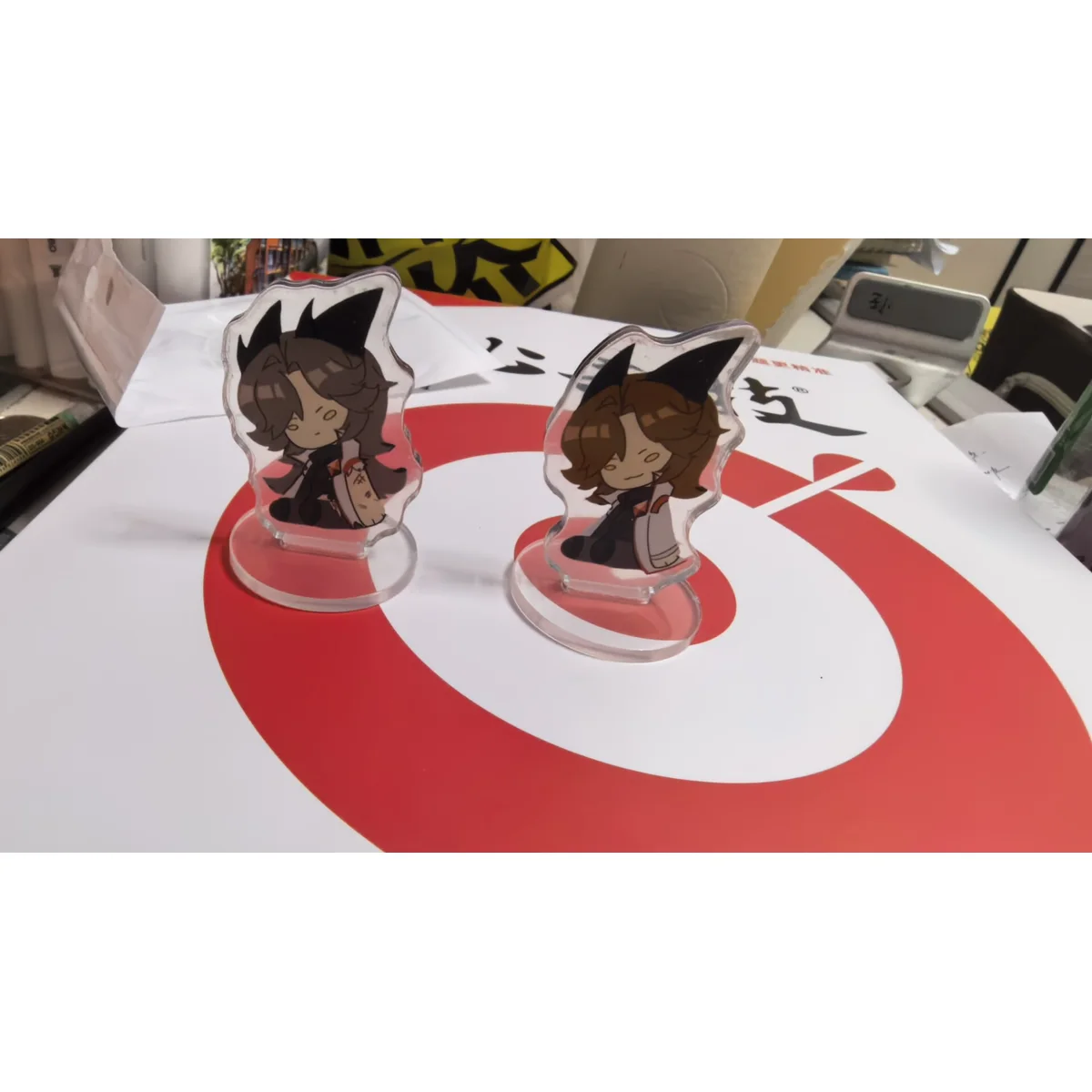
One illustration can support several formats, but each needs its own dimensions, cut line and assembly plan.
Compact decorative pieces for character sets, bags, phones, gifts or collection add-ons.
Portable character goods with a confirmed hole position, ring, chain or clasp and packing method.
Desk or shelf display pieces where character, slot and base dimensions must fit together.
Several characters or formats using one color, finish, backing card and SKU system.
We review the visible art and the technical layers that control how it is printed and cut.
The outline needs safe margins around important artwork and enough bleed to avoid unintended clear edges.
White ink controls opacity and color strength on clear acrylic; transparent or window areas must be identified deliberately.
Front and back orientation, mirrored elements and viewing direction need confirmation before proof approval.
Screen color, printed ink, white underlay and acrylic surface can look different; critical colors need a stated reference.
Both approval stages are recorded because a correct file can still reveal physical issues after cutting and assembly.
Confirm resolution, layers, size, bleed, cut line, transparent areas, white ink and front/back direction.
Place the hole away from weak edges, or size the standee slot and base for stable assembly.
Review artwork position, white-ink coverage, orientation and production notes before the sample is made.
Check color, edge, surface, hole, hardware, base fit, protective film and packing.
Lock the approved files and physical details by SKU before production is released.
These images are anonymized acrylic-only product evidence. They are not named customer endorsements or guarantees that every artwork uses the same specification.
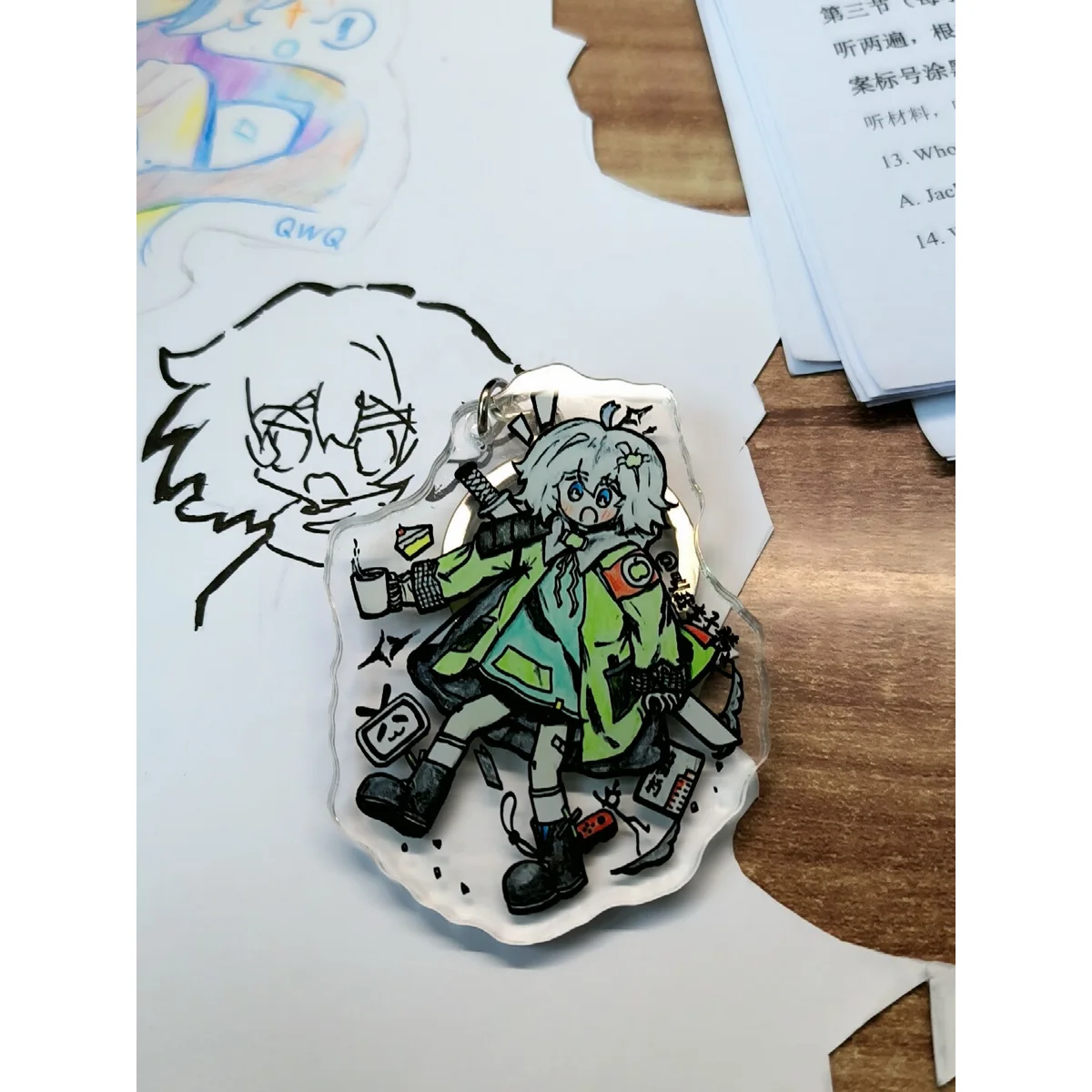
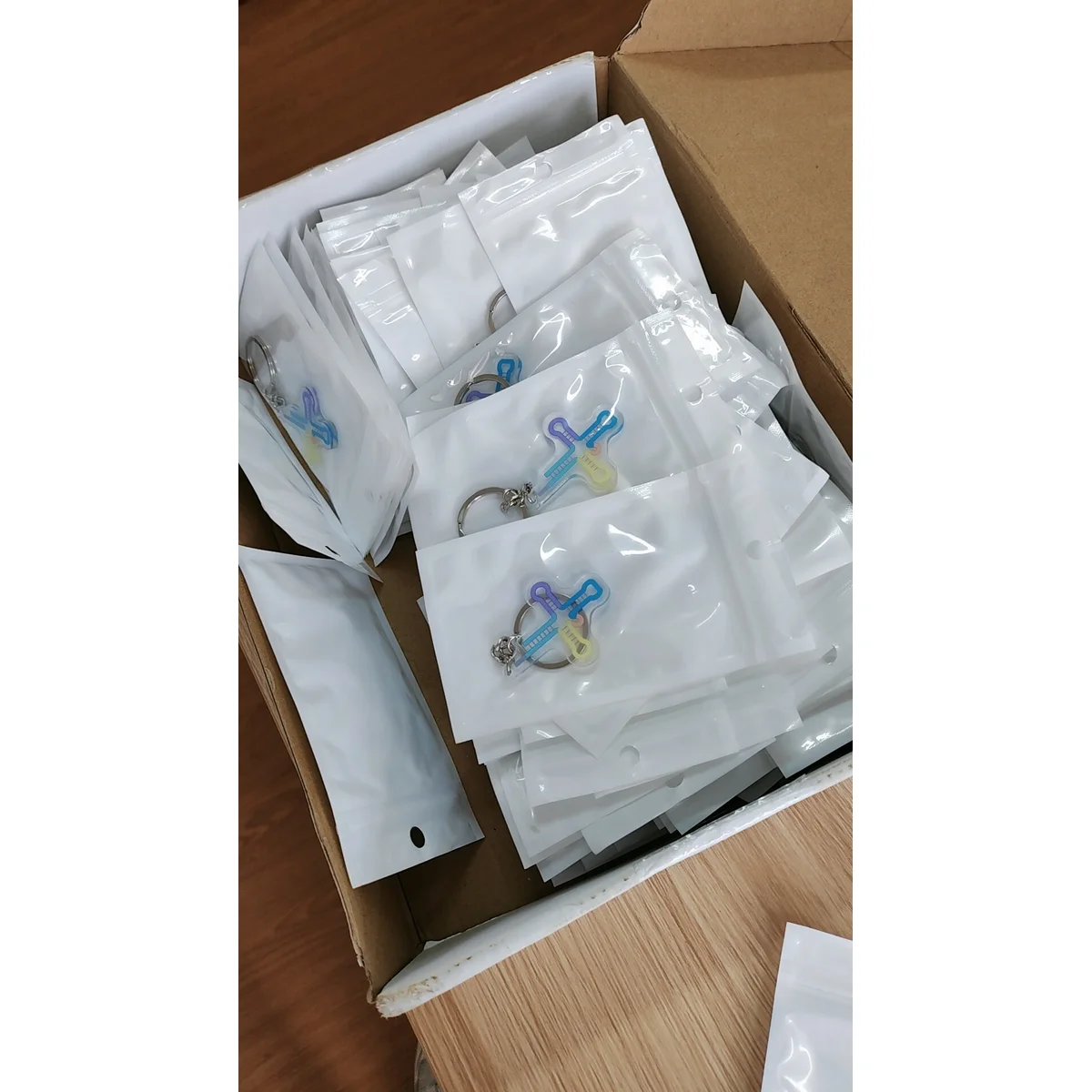
Number of designs, print layers, acrylic thickness, hardware, bases, packaging and assortment rules affect setup and production planning.
Many designs can share a format, but each artwork, hardware color, base or pack combination still needs SKU control.
Dimensions, thickness, print sides, white ink, special finish, hardware, base, backing card and packing.
File readiness, proof comments, color expectation, cut-line changes and base-fit corrections affect sampling time.
Approval speed, SKU count, assembly, unit packing, carton sorting, destination and shipping method.
Protective film can hide or protect the surface, so the inspection plan must distinguish normal film marks from defects on the acrylic itself.
Check color, white-ink coverage, front/back alignment, missing print and visible contamination.
Check outline, edge condition, hole position, cracking, scratches and protective film.
Check ring or chain assembly, hole strength, slot fit, base stability and SKU matching.
Confirm bags, backing cards, barcode labels, set assortment, carton quantities and destination marks.
Send the highest-quality artwork available, target dimensions, quantity by design, front/back requirements, hardware or base preference, packing and destination.
We can review and prepare production layers for approval, but the buyer should confirm which areas must stay transparent or opaque.
It depends on size, hand feel, display use, weight and target price. We compare practical options after reviewing the format.
Yes, but quantity per design, shared hardware, packaging, labels and assortment rules must be listed clearly.
Many products use film for surface protection. The required removal, warning label and packing presentation should be confirmed for the sales channel.
Yes. Final product size, hole or hardware position and barcode mapping should be stable before backing-card production.
Include size, quantity by design, print side, transparent areas, hardware or base, packaging, destination and arrival date. We will identify the proof and sample decisions first.