Hero character product
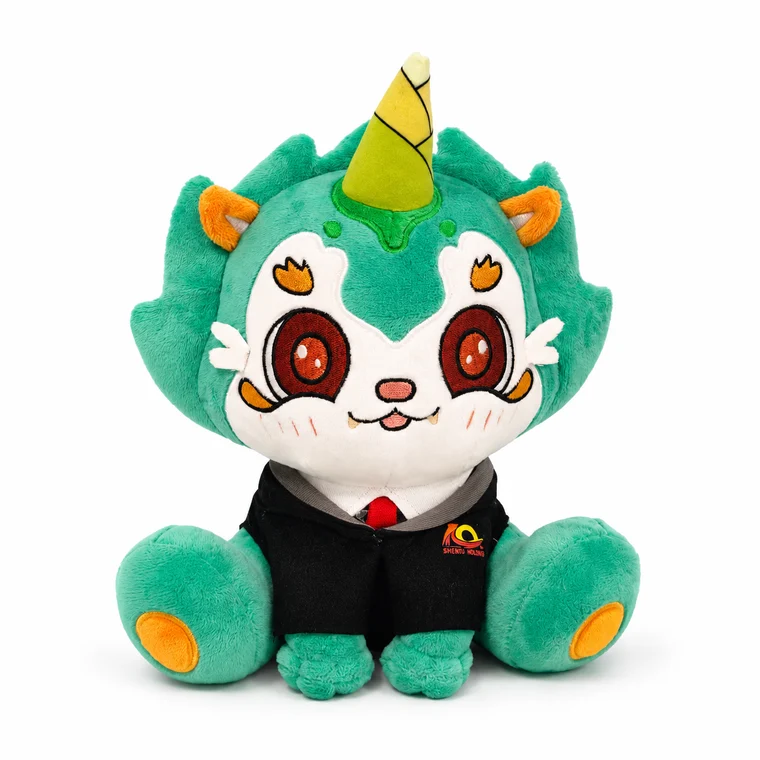
A plush toy or prominent display piece can carry silhouette, costume and expression. It usually needs deeper character interpretation and more physical approval decisions.
A game team should not begin by placing every character on every available product. A workable merchandise range starts by defining the audience, the launch use and the role of each SKU. Then the team can decide which character needs a hero product, which designs can support accessible collectibles, and which artwork details must change for plush, acrylic or badges. This sequence keeps character recognition, approval work, packaging and production control connected without pretending that one format or quantity works for every project.
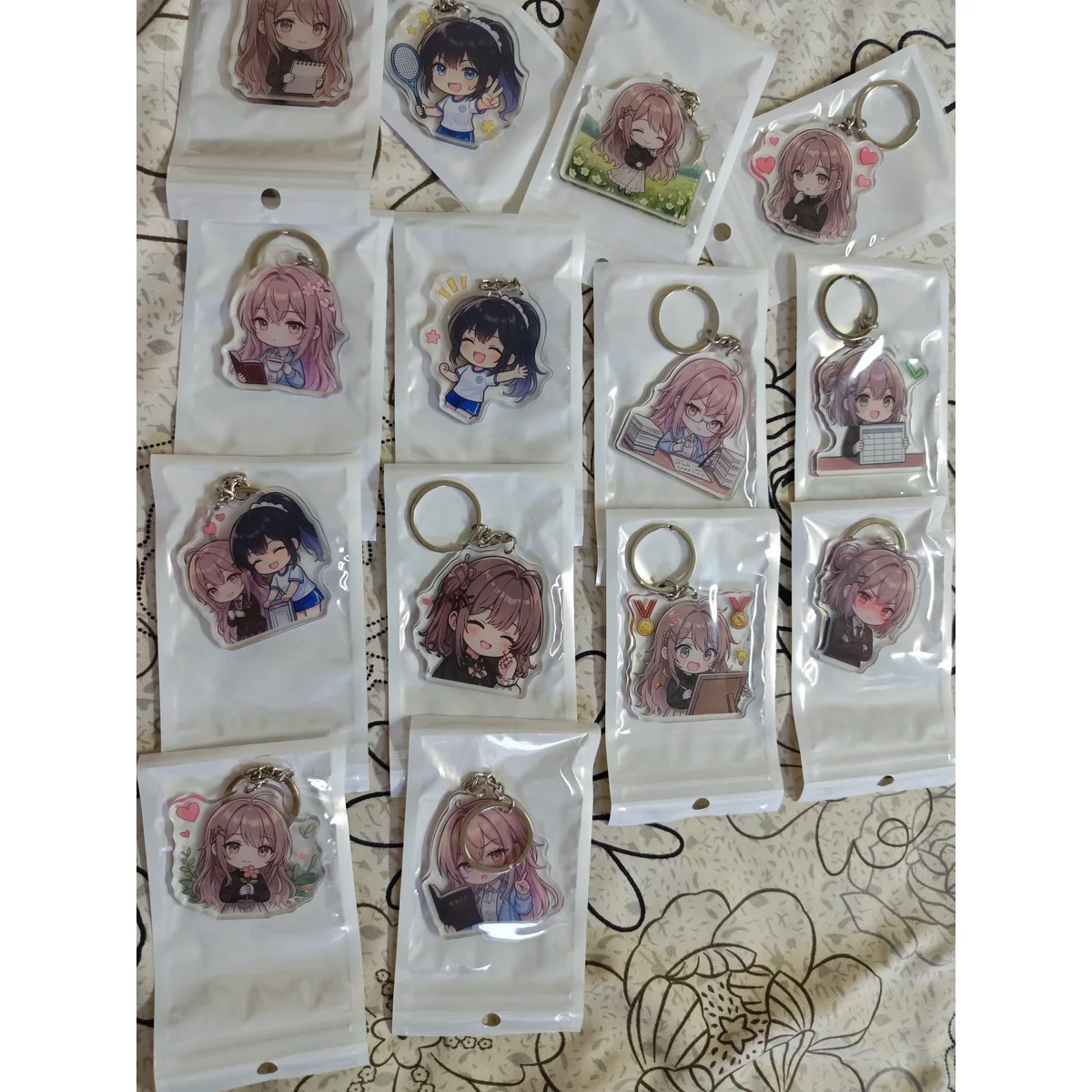
The direct answer to “Which products should a game company develop first?” is to begin with the smallest range that can test the intended audience and still express the character clearly. A hero product can carry the emotional presence of the main character. A fan-access item can cover more characters or variants. A display item can serve collectors who want artwork on a desk or shelf. Packaging can connect these products, but it should not be used to hide an unclear range plan.
We see briefs where a team has a strong visual universe, several playable characters and a fixed launch window, but no decision about what each item is meant to do. If every character is assigned to plush, acrylic, badges and gift packaging at once, the project multiplies artwork files, samples, approval decisions, SKU labels and packing combinations before the first product has proved its role. The practical decision is not automatically to remove products. It is to rank them: launch-critical, useful for range depth, or suitable for a later expansion.
The product mix, MOQ and price range are confirmed after reviewing artwork, design count, channel, audience, packaging, approval capacity and the production route. AIYYANG coordinates product development and the specialist suppliers required for the range.
One recurring situation is a team with one main character and several supporting characters. The main character may need a tactile hero item for a launch page, creator mailer or collector bundle, while supporting characters need a format that is easier to extend across a series. In that situation, one character plush plus a coordinated acrylic or badge group can be easier to approve than several different plush structures. The choice is based on product role and development workload, not on a claim that one format is always cheaper.
A second situation is a game event or campaign with artwork already prepared for digital use. The team wants fast visual coverage across many characters, but the files were not created with cut lines, hardware positions, small-scale readability or packaging orientation in mind. Acrylic charms, standees and badges may all be possible, yet each needs a separate production interpretation. The useful first step is to identify which files can move directly into product proofing and which need simplified details, new crops, rear-side decisions or a different pose.
Two common project situations show why scope must be clear: what will be developed, why it belongs in the range, who approves it and what remains open before quotation or sampling.
A merchandise collection works better when each item occupies a distinct position. The labels below are planning roles, not fixed price tiers. Actual price and workable quantity require a current specification and quotation.
A plush toy or prominent display piece can carry silhouette, costume and expression. It usually needs deeper character interpretation and more physical approval decisions.
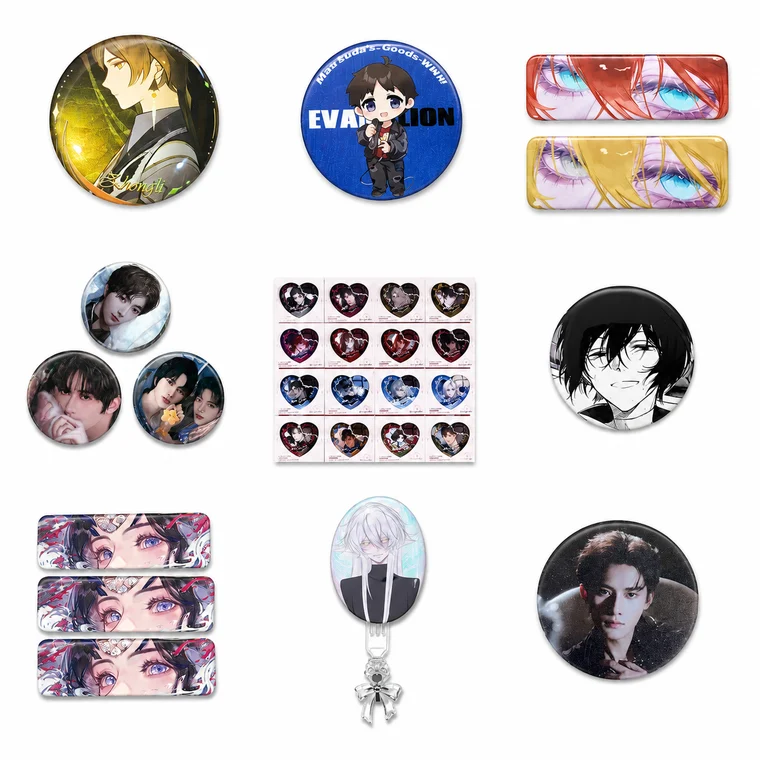
Acrylic charms, printed badges or pins can extend a cast across several designs. The buyer still needs quantity, artwork and packaging control for every SKU.
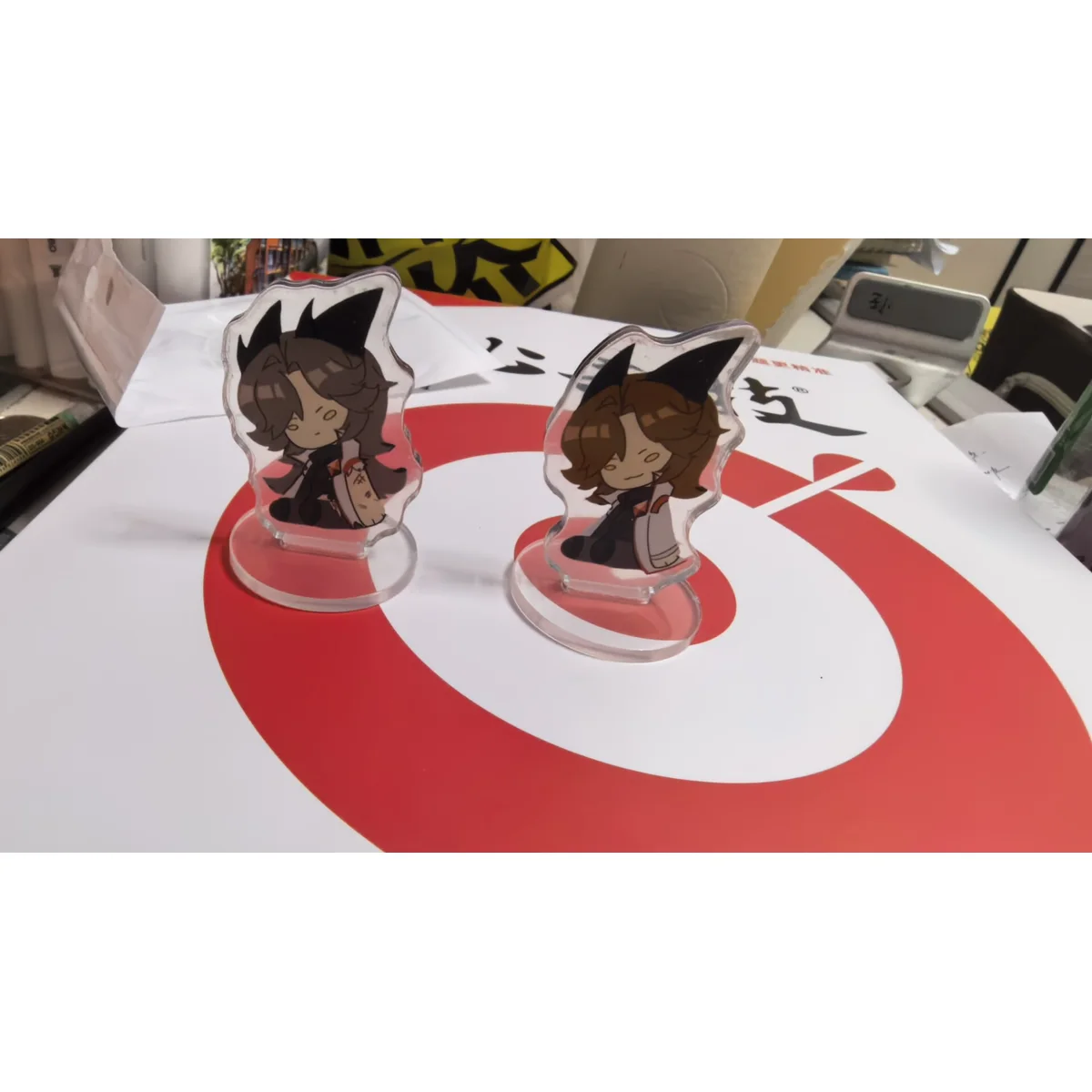
A standee can preserve full-body artwork and scene elements, but the character, base, slot, reading direction and protective packing must work together.
A set combines products through color, naming, card design or box structure. Every item keeps its own production file and QC reference even when the visual system is shared.
A range architecture also creates a sensible approval order. The team can first confirm the character hierarchy and visual system, then review product-specific proofs, then connect packaging and SKU information. Without that order, a packaging file may be approved around an obsolete product size, or a badge crop may be changed after labels and product listings are already prepared.
Shared rules for visual scale, logos, hardware, cards, names and package direction reduce arbitrary variation, but they do not replace design-specific checks. Different silhouettes, colors and poses may need different scale, contrast or connector decisions.
Digital character art can include hair strands, glow effects, translucent layers, small costume symbols and dramatic poses that work beautifully on screen. Physical production introduces edges, seams, pile direction, print layers, holes, fittings and assembly. Our job is to help the buyer decide what must remain exact and what can be adapted without losing identity.
For custom plush development, we review silhouette, face, pose, costume and the details the audience recognizes first. A flat illustration needs front, side and back interpretation. Thin parts may become embroidery, print, appliqué or a supported structure. The result is a physical translation, not a literal extrusion of a drawing.
For acrylic charms and standees, the outline, white ink, direction, hole, hardware and protective presentation become part of the product. A charm may hang at an angle if balance is ignored. A standee needs character and base fit, a clear front and protection against rubbing.
For badges and enamel pins, review crop, edge, text, finish, backing and card layout at physical size. A full character may need a closer crop. We do not promise universal line or text limits without current production confirmation.
Game merchandise often has several reviewers: art direction protects character identity, licensing or IP management controls authorized use, marketing controls launch presentation, and purchasing controls commercial scope. If all comments arrive as separate messages, the production team may receive conflicting instructions. We ask the buyer to name one approval owner or provide one consolidated decision record for each round.
The current file set should state character, version, product, size basis, color reference, direction, accessories, packaging status and open decisions. A useful comment identifies the location, problem and intended result instead of saying only “make it cuter” or “use the previous blue.”
Separate approval by stage. Artwork approval confirms use; a digital proof confirms layout and production layers; a physical sample confirms material, structure, color, hardware and packing; bulk release identifies the active sample and specification. One approval does not replace the others.
This version control matters most when the same character appears across several SKUs. If a costume emblem changes, the team must know whether the change applies to plush embroidery, acrylic print, badge crop, packaging art and online product images. Recording the scope prevents one product from carrying an obsolete version.
The sampling path should focus on the risks of each format. A plush sample answers shape, construction, material behavior and decoration questions. An acrylic proof answers outline, print, white-ink, direction, hardware and base-fit questions. A badge or pin proof answers crop, color, finish, edge and backing questions. Packaging review answers protection, orientation, information and SKU matching questions.
A collection may share artwork and colors, but specialist suppliers, sample methods and checkpoints differ. AIYYANG coordinates the current specification through our sampling and production workflow so buyers can see what is ready, waiting or not cleared for bulk production.
Before bulk release, connect the approved reference, artwork, material or finish, accessories, packaging and SKU labels. Inspection scope, tolerances, AQL where applicable, and responsibility are then defined for the project.
At collection level, check names, intentional color relationships, character-to-pack matching, direction and SKU or carton identification. This adds cross-SKU control without replacing product-specific inspection.
Packaging decisions affect more than appearance. A bag, backing card, insert or box changes product orientation, protection, barcode and label placement, assembly work, carton volume and fulfilment handling. The range plan should identify whether products are sold separately, combined into a set, sent to creators, distributed at an event or delivered to a retail or fulfilment partner.
The buyer supplies authoritative names, barcode or SKU data, warnings, languages and market information. AIYYANG coordinates placement and production files but does not invent legal text, importer information or barcode numbers. Unready inputs remain open.
A required arrival date is not a production promise. Artwork, samples, revisions, packaging proof, bulk production, QC, booking and delivery need current planning. Dates are confirmed from the actual approval, production and transport plan.
If the range is too large for the approval capacity or fixed date, the safer options may include prioritizing launch SKUs, simplifying packaging, sharing a structural pack where products are compatible, or moving a secondary character to a later release. Each option changes the commercial plan, so it remains a buyer decision after the effect is explained.
Common mistakes are choosing a format only because it is popular, giving one total quantity for many SKUs, and comparing displayed unit prices from suppliers that received different briefs. Product role, quantity by design and aligned scope must come first.
Another mistake is approving attractive artwork without checking the physical viewing condition. Small details may disappear; a connector may interrupt the silhouette; a backing card may reduce contrast; a standee may face the wrong direction; a plush accessory may need structural support. These are not reasons to abandon the design. They are decisions to resolve before the error is repeated across a batch.
Chat screenshots and scattered comments are hard to trace across many characters. A dated file list, consolidated revision record and named approval owner protect creative intent and execution.
You do not need a complete technical pack before contacting AIYYANG. Send the best available files and mark decisions that are still open. We can then separate creative questions from product, commercial and delivery questions before quotation or sampling.
Use these physical character products to compare how artwork, structure, hardware and packaging change across formats. Then compare the decisions with our real project case studies.
Start with the audience, launch use and product role. Choose the smallest range that can express the priority character and test the intended channel, then expand after the artwork, approval workload and production route are understood.
The identity can remain consistent, but each format needs its own production interpretation. Plush needs three-dimensional construction, acrylic needs cut and print decisions, and badges need a crop, edge and backing plan.
A combined total is not enough to confirm feasibility. Quantity per design, product, artwork version and packaging version should be listed because each SKU creates separate setup, matching and approval work.
Use the role in the range, character complexity, audience, sales channel and approval capacity. Actual price and workable quantity require a current quotation; the quotation confirms the actual price for each specification.
The buyer should name an approval owner who consolidates art, licensing, marketing and purchasing comments. The active physical sample and written specification should be identified before bulk release.
AIYYANG can coordinate packaging structure, product orientation, artwork versions, labels and pack matching. The buyer must provide authoritative barcode, warning, importer and market information.
No. Those depend on the current character files, product formats, design count, materials, accessories, packaging, suppliers and schedule. They must be reviewed and quoted for the actual project.
Send available character artwork, priority designs, intended audience, preferred formats, quantity by design, packaging idea, destination and required arrival situation. Mark any uncertain item as open.
AIYYANG will help separate character decisions from product, approval, packaging and delivery questions, then coordinate the appropriate specialist suppliers and quality-control handoffs.