
Enamel pin
Suitable for simplified artwork with defined metal lines, color fills, plating and a post or clasp system.
Enamel pins and printed button badges are not the same product. Enamel uses metal lines and filled color areas; printed badges reproduce artwork under a protective surface. We help buyers choose the route that fits the design, price level, use and collection plan.
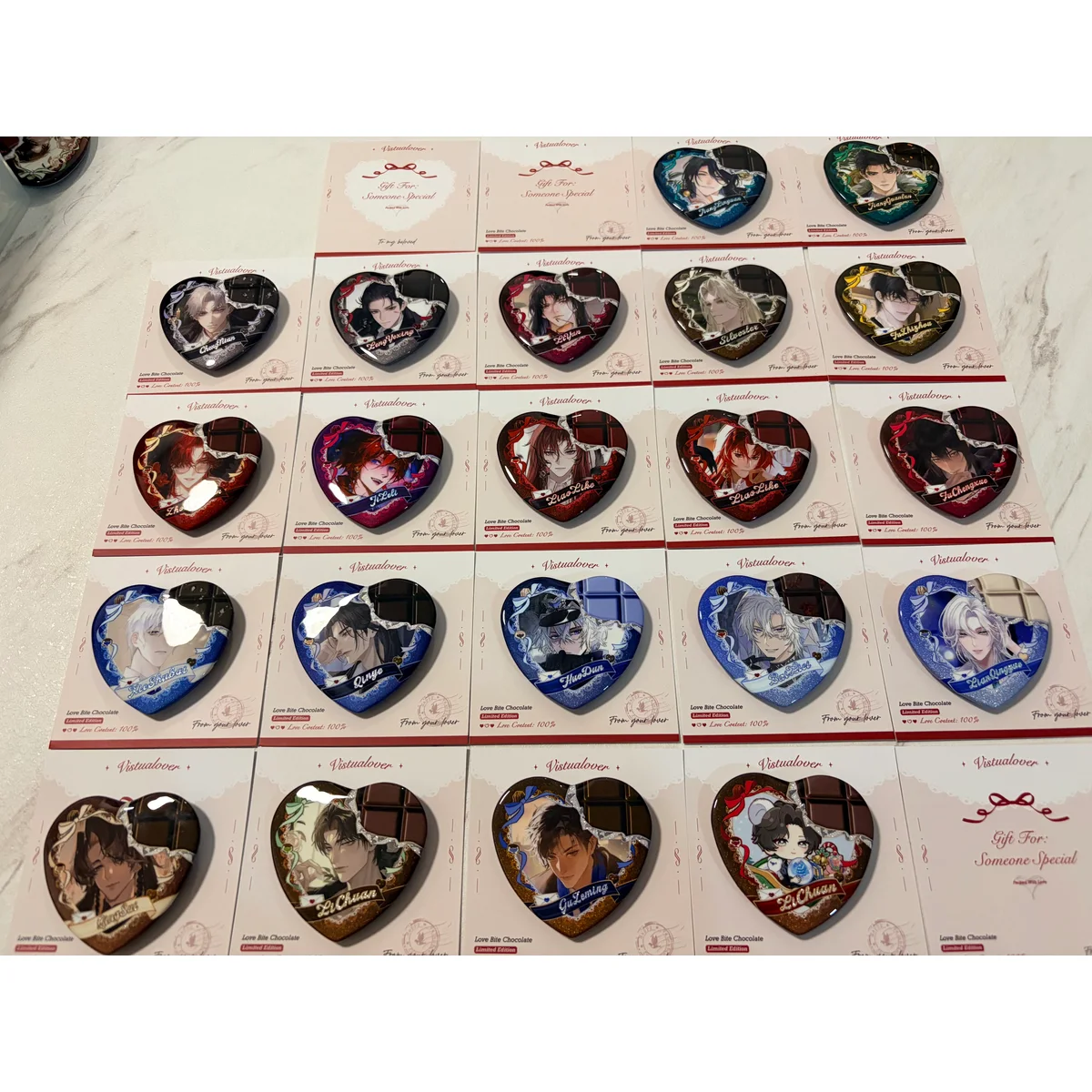
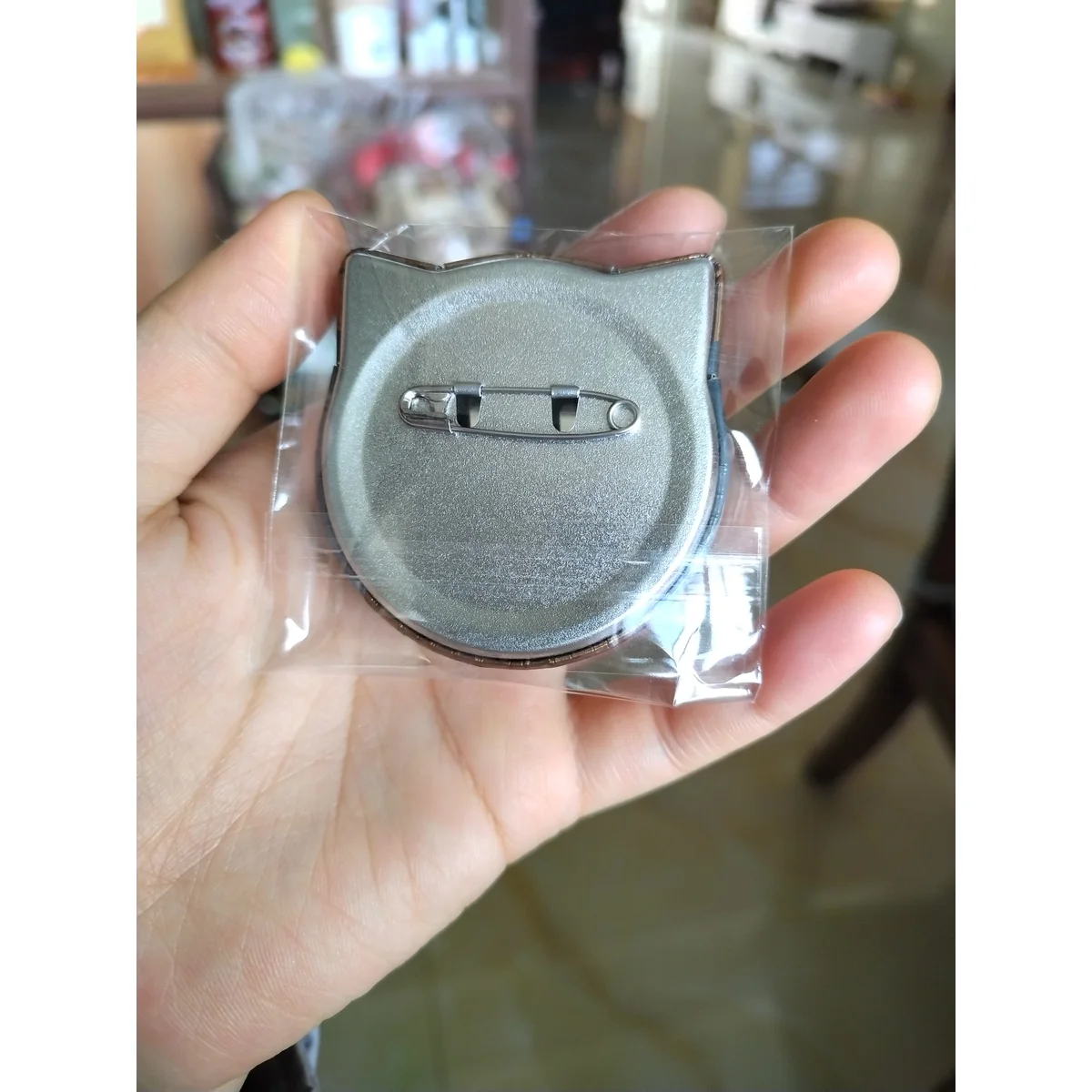
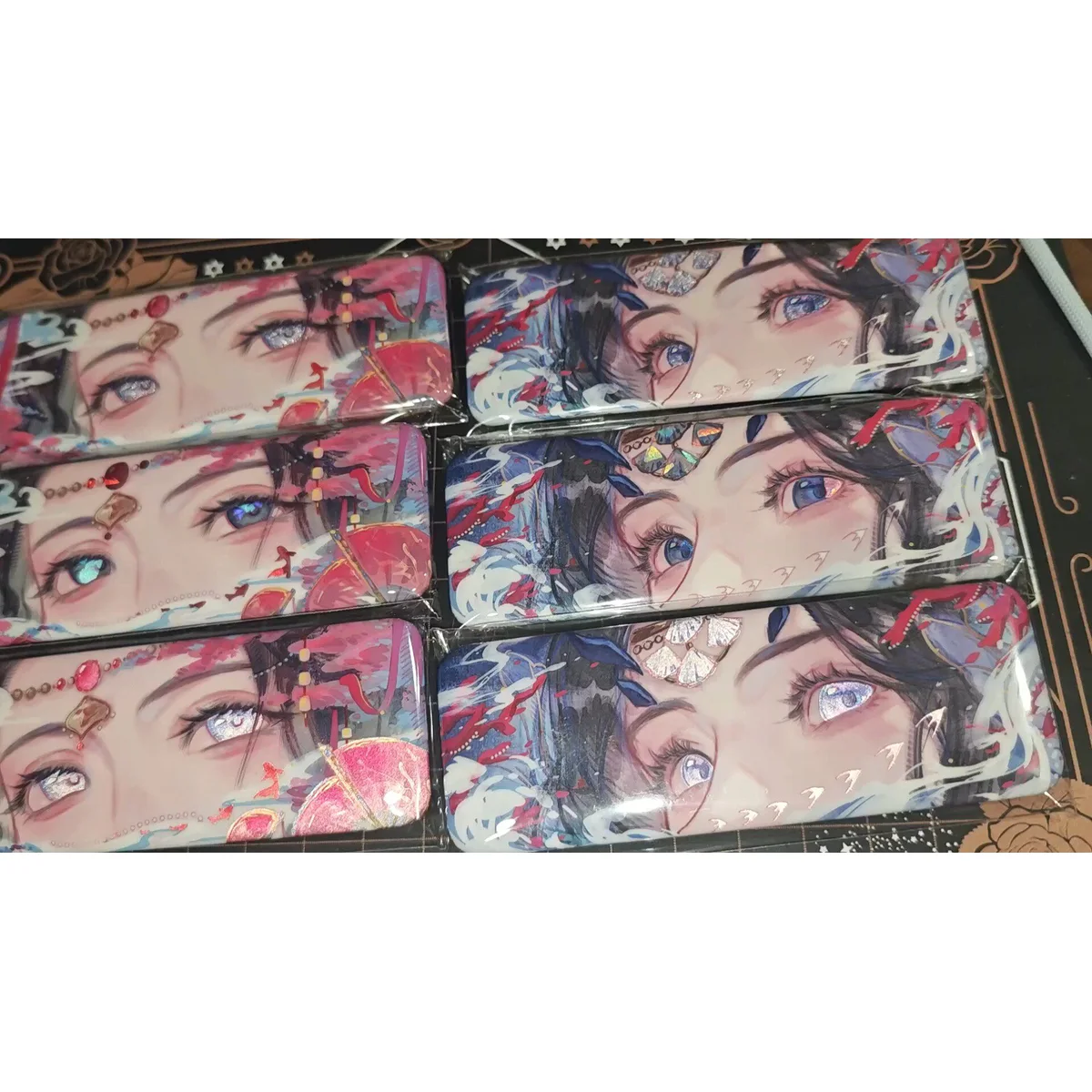
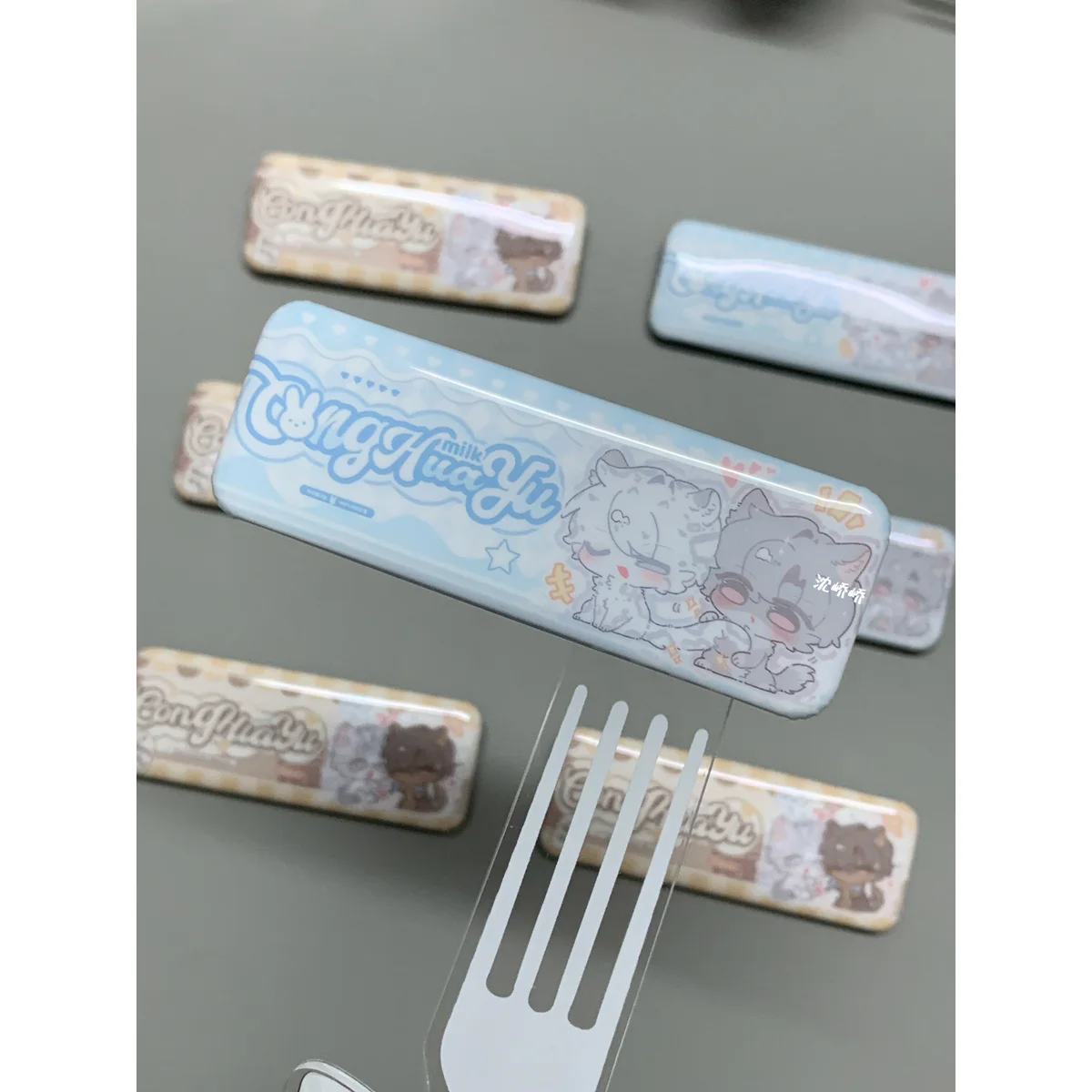
Different constructions carry different color, detail, shape, tooling and hardware decisions.
Suitable for simplified artwork with defined metal lines, color fills, plating and a post or clasp system.
Suitable for detailed illustrations, gradients, photography and larger character series using a printed face.
Custom outlines can create a stronger silhouette while keeping detailed printed artwork.
A display format for artwork sets, souvenirs and collections where wearable hardware is not needed.
A design that prints well may not translate directly into enamel cells, and a strong enamel design may not need photographic detail.
Enamel artwork needs manufacturable metal boundaries and color areas; very small gaps may need controlled simplification.
Printed badges need an approved crop, safe text area and bleed around the visible face and wrapped edge.
Plating, enamel, printed color, protective film and gloss each create a different visual result.
Round, heart, rectangle and custom shapes change the artwork crop, tooling, edge and backing position.
Wearable, magnetic and display products need different attachment, safety and packing decisions.
Common for enamel pins; post count and placement should match the product size and balance.
Common for printed button badges; the pin should open, close and sit securely without deforming the face.
Magnet size and holding force should suit the badge size, material and intended surface.
Cards, bags and labels protect the surface, communicate the SKU and organize collection sets.
We record the method, dimensions, finish, hardware and packing before the product is released.
Compare enamel, printed badge and magnet routes against artwork detail, use, quantity and budget.
Prepare metal-line color fills or printed crop, bleed and shape for buyer approval.
Confirm post, clasp, safety pin, magnet or other backing and its position.
Review color, shape, finish, edge, backing operation and packaging.
Lock artwork, size, method, hardware, backing card and pack by design.
These images are not labelled as enamel-pin samples. Enamel pin specifications are reviewed separately when the buyer submits suitable artwork and requirements.
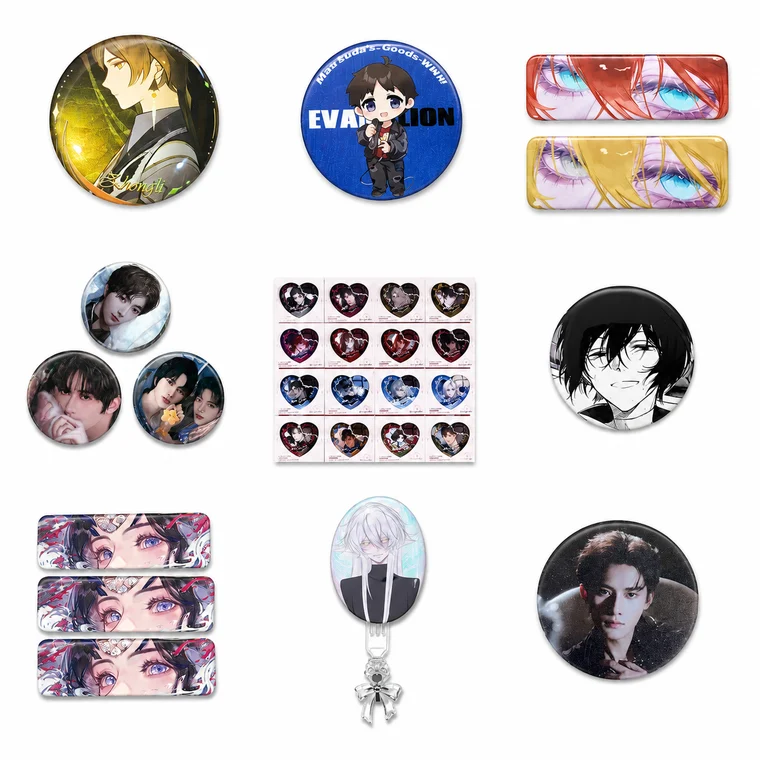
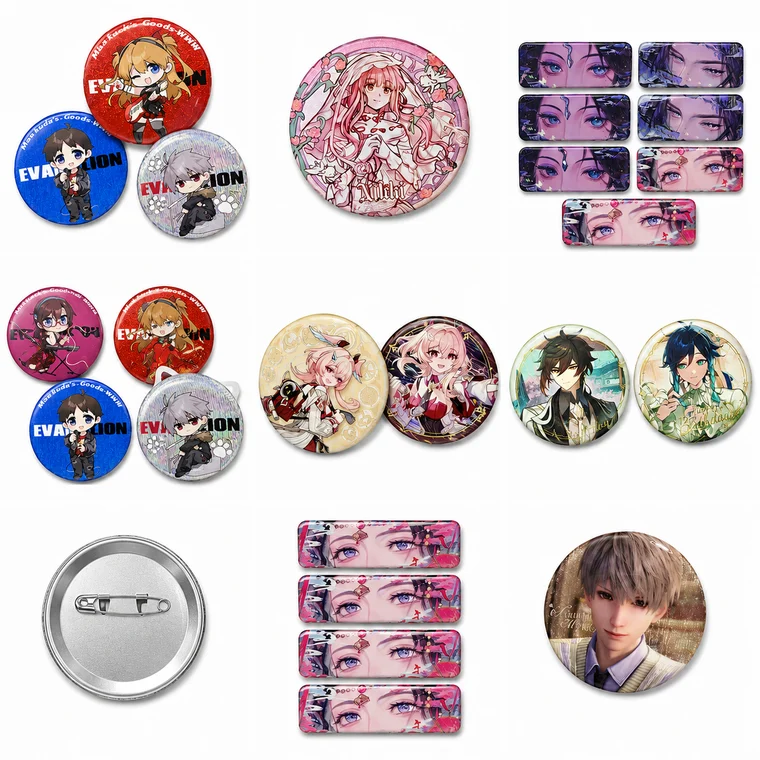
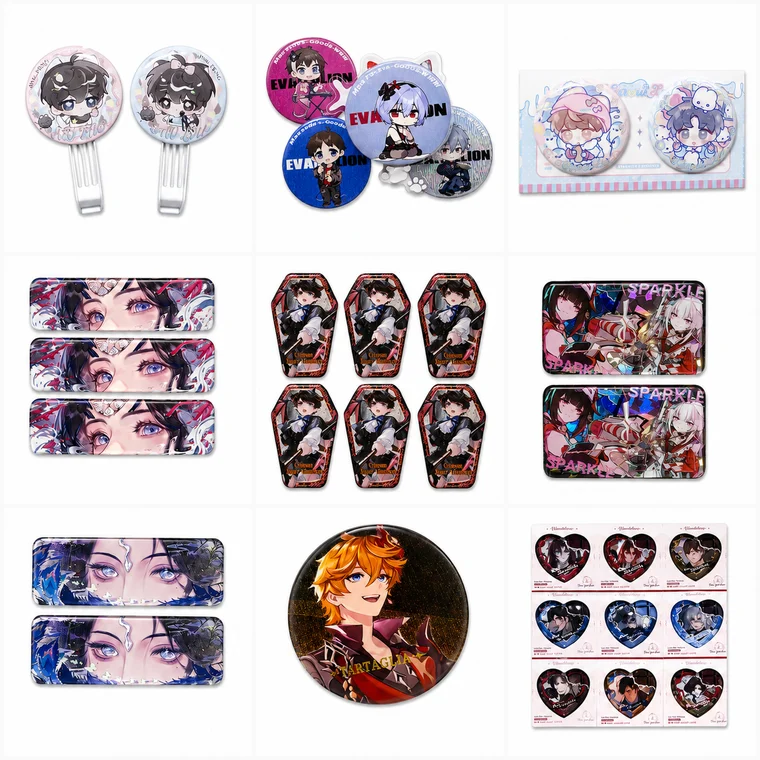
A multi-character collection can contain many SKUs even when every item uses the same nominal dimensions.
Tooling, plating, enamel colors, printed shapes, design count, hardware and packaging may each affect minimum quantities.
Dimensions, method, shape, plating or print, number of colors, hardware, backing card and individual packing.
Artwork conversion, color review, tooling or shape proof, hardware sourcing and revision rounds.
SKU count, approval speed, assembly, assortment packing, destination and shipping method.
A collection also needs consistent crop, color direction, shape, backing cards and SKU separation across designs.
Check artwork crop, color, gloss, scratches, dents, print defects or enamel fill according to the approved method.
Check outline, size, metal or wrapped edge, deformation and consistency across the batch.
Check post, clutch, safety pin or magnet position, operation, holding and attachment.
Confirm design counts, backing cards, barcode labels, set assortment, bags and cartons.
No. A printed badge reproduces artwork on a printed face; an enamel pin uses a metal base with filled color areas and plating.
Printed badges normally preserve gradients and small illustration details more directly. Enamel art usually needs stronger line and color simplification.
Yes. Quantity per design, shared size, method, hardware, backing card and assortment rules must be listed clearly.
Shape options depend on the chosen method, artwork, tooling and edge requirements. Send the outline for feasibility review.
MOQ depends on method, tooling, design count, colors, hardware and packing. We review the complete collection instead of giving one number for every route.
Yes. Artwork, product dimensions, hardware position, SKU mapping and required labels should be stable before printing the cards.
Include dimensions, quantity by design, preferred method, finish, hardware, packing, destination and arrival date. We will identify the production and proof decisions.